
Wider Aperture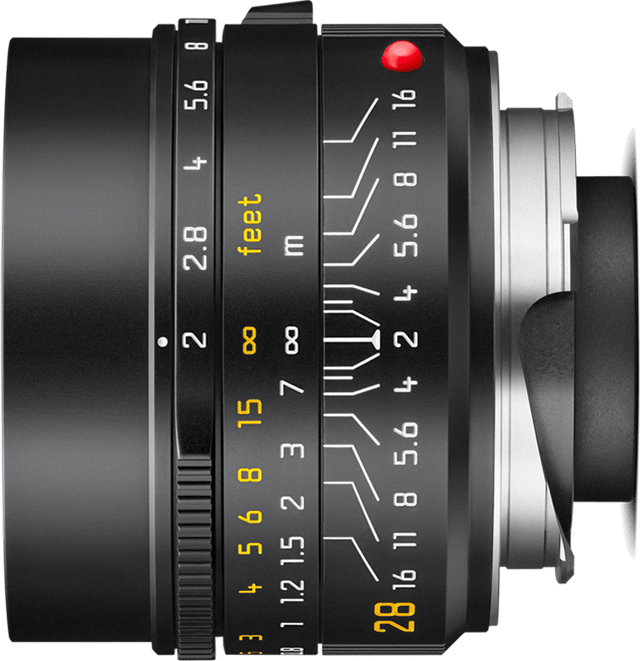
Leica Summicron-M 28mm f/2 ASPH. (2023)
f/2 instead of f/5.6
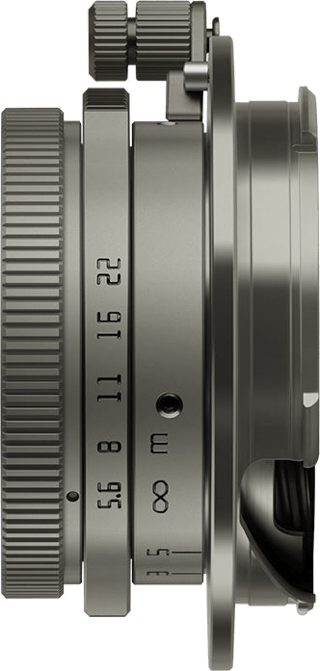
TTArtisan · 28 mm · f/5.6
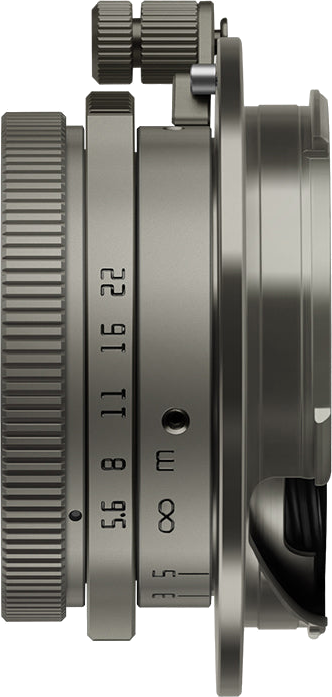
This lens score is calculated from published specifications.
General | |
|---|---|
About This LensThe TTArtisan M 28mm f/5.6 is a fixed wide-angle prime for Leica M mount, and it covers the full frame. It arrived in 2022 and is still in production. At 28mm it suits street photography, travel and everyday picture-taking, where context around the subject matters more than a tight frame. The lens trades speed for compactness. Its f/5.6 maximum aperture keeps the body small and the depth of field deep, which favours daylight walkaround work. The costs are limited low-light use, little background blur and focusing by hand. On balance it suits photographers who want a light, unobtrusive lens for slow, deliberate shooting. | |
| Brand | TTArtisan |
| Release Year | 2022 |
Production Status ⓘCurrent status of lens manufacturing (e.g., in production, discontinued). |  In Production |
Lens Mount ⓘThe lens mount will tell you what type of lens range you can fit onto the camera body. Often the same camera company will have different lens ranges for different cameras. | Leica M |
System ⓘIndicates which camera system the lens is designed to attach to. | Leica M |
Maximum Format ⓘLargest sensor size compatible with the lens. |  Full Frame |
Physical64/100 | |
About the BuildIt measures 0.75 in (19 mm) long and 2.01 in (51 mm) wide, so it sits almost flat against the camera. At 5.3 oz (151 g) it adds little to a bag and fits a jacket pocket. Our physical score is 64 out of 100. A screw-in filter must match the 37mm thread on the front. That size keeps filters small and light. | |
| Lens Weight | 151 g |
Lens Diameter ⓘWidth of the lens at its widest point | 51 mm |
Lens Length ⓘHow long the lens is from front to back. | 19 mm |
Front Filter Compatible ⓘSome lenses are compatible with front filters, some are compatible with back filters and some are compatible with both. Front filters are usually more convenient to add and remove. |  Yes |
Front Filter Size ⓘDiameter of attachable filters. | 37 mm |
Optics39/100 | |
About the OpticsA 28mm view keeps whole streets, rooms and groups of people in frame. It rewards working close and letting the surroundings tell part of the story, which suits street scenes, markets, interiors and travel. Framing changes come from moving, since the focal length is fixed. The single f/5.6 maximum aperture is the central trade-off. In daylight it gives depth of field deep enough for zone focusing. You set the distance, rely on the zone of sharpness, and shoot without fine focus. That suits candid street work. In dim rooms the aperture forces higher ISO or a steadier camera. Closest focus is 3.3 ft (100 cm), so nothing nearer will come out sharp. For street work that distance rarely matters. With a wide angle and a small aperture, backgrounds stay largely in focus, which suits scenes rather than subject isolation. Focusing is manual only, which suits this distance-based way of working. Our optics score is 39 out of 100. | |
Focal Range ⓘShortest to longest focal length of the lens (zoom range start - end ) | 28 mm |
Aperture Range ⓘLargest aperture at the lens's shortest focal length to longest focal length (aperture range start - end) | 5.6 |
| Focal Length Angle of View | 72° |
Flange Focal Distance ⓘDistance from lens mount to sensor. | 27.8 mm |
Diaphragm Type ⓘStructure and design of the aperture |  Manual |
Blades ⓘNumber of diaphragm blades in aperture | 6020 |
Zoom Lens ⓘZoom allows you to vary the focal length, change between long shots and close-ups | No |
Closest Focusing Distance ⓘMinimum distance for a subject to be in focus. | 100 cm01500 |
Maximum Magnification ⓘLargest size a subject can be reproduced | 0.03x |
| Autofocus Mode | No |
| Manual Mode |  Yes |
| Manual Focusing Ring |  Yes |
Features0/100 | |
About the FeaturesThe feature list is short. There is no weather sealing, so keep the lens out of rain and blowing dust. There is no fluorine coating either, so the front glass lacks a water- and oil-repelling layer. Image stabilization is also absent. At 28mm the camera can be held steady at slower shutter speeds than a long lens allows, so daylight shooting loses little. The diaphragm uses six blades, so out-of-focus points of light render roughly hexagonal. Distant lamps and highlights in evening scenes show the shape clearly. | |
Weather Sealing ⓘWeather sealing capabilities will give you more confidence when shooting in unfavourable conditions. | No |
Fluorine Coating ⓘCoating to repel water and oil from lens elements. | No |
| Built In Lens Hood | No |
| Lens Hood Type |  Rectangular |
Teleconverter ⓘA teleconverter (extender) is an extra piece of equipment that fits between the lens and the camera body to enhance magnification | No |
| Image Stabilization | No |
Construction15/100 | |
About the ConstructionSeven elements in four groups make up the optical path, with one low-dispersion element among them. Low-dispersion glass helps reduce chromatic aberration, where different colours focus at slightly different points and leave coloured fringes along high-contrast edges. On a lens used for streets and travel, those edges can include rooflines and branches against a bright sky. Our construction score is 15 out of 100. | |
Elements ⓘLens elements refer to individual pieces of glass within the lens. | 7 |
| Groups | 4 |
Aspherical Elements ⓘThe number of aspherical lens elements which can help correct aberrations such as spherical aberration. | 0 |
Bi Aspherical Elements ⓘElements with two non-spherical surfaces | 0 |
Low Dispersion ⓘElements that reduce chromatic aberration | 1 |
Super Low Dispersion ⓘAdvanced elements further reducing chromatic aberration | 0 |
CA Reduction ⓘBuilt-in features to reduce chromatic aberration | 0 |
Internal Focusing ⓘInternal Focusing means that the lens does not change in size during focusing, and the front element does not rotate. | No |
f/2 instead of f/5.6
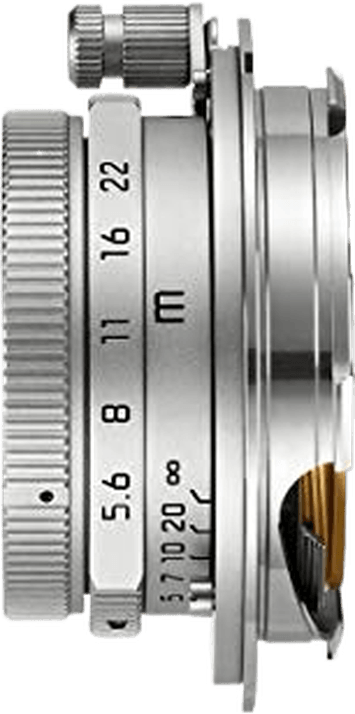
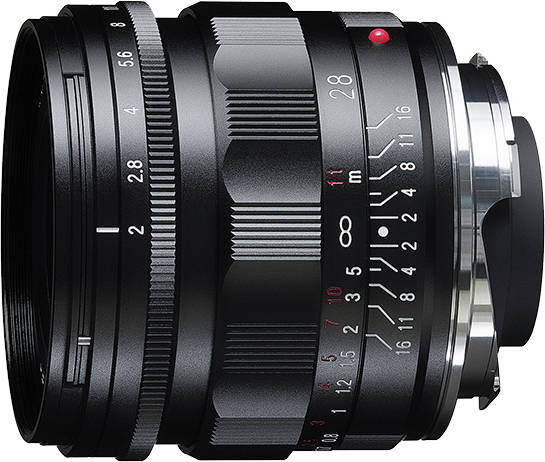
f/2 instead of f/5.6
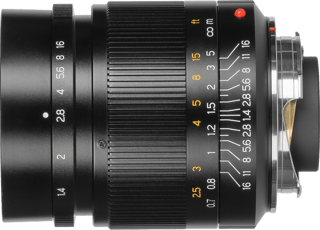
488 g vs 151 g · f/1.4 vs f/5.6 · 0.04× vs 0.03× close-up reach
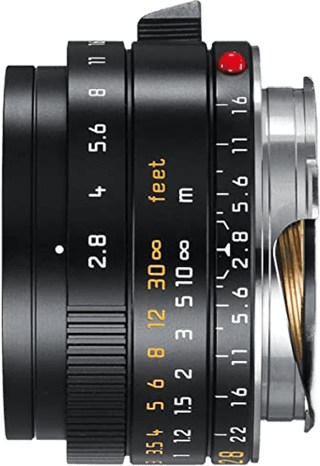
f/2.8 vs f/5.6 · 0.045× vs 0.03× close-up reach · Closest focus 70 cm vs 100 cm
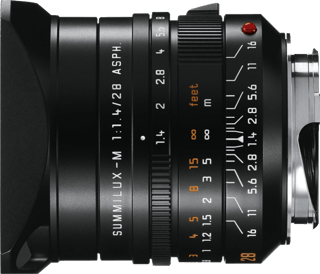
440 g vs 151 g · f/1.4 vs f/5.6 · 0.046× vs 0.03× close-up reach