
Wider Aperture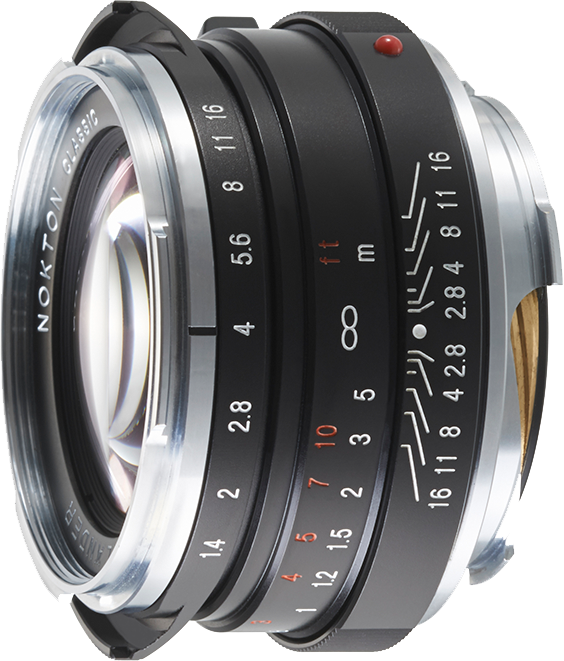
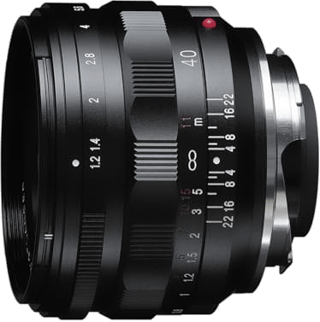
Voigtlander M 40mm f/1.4
f/1.4 instead of f/2.8
Voigtlander · 40 mm · f/2.8 · HELIAR
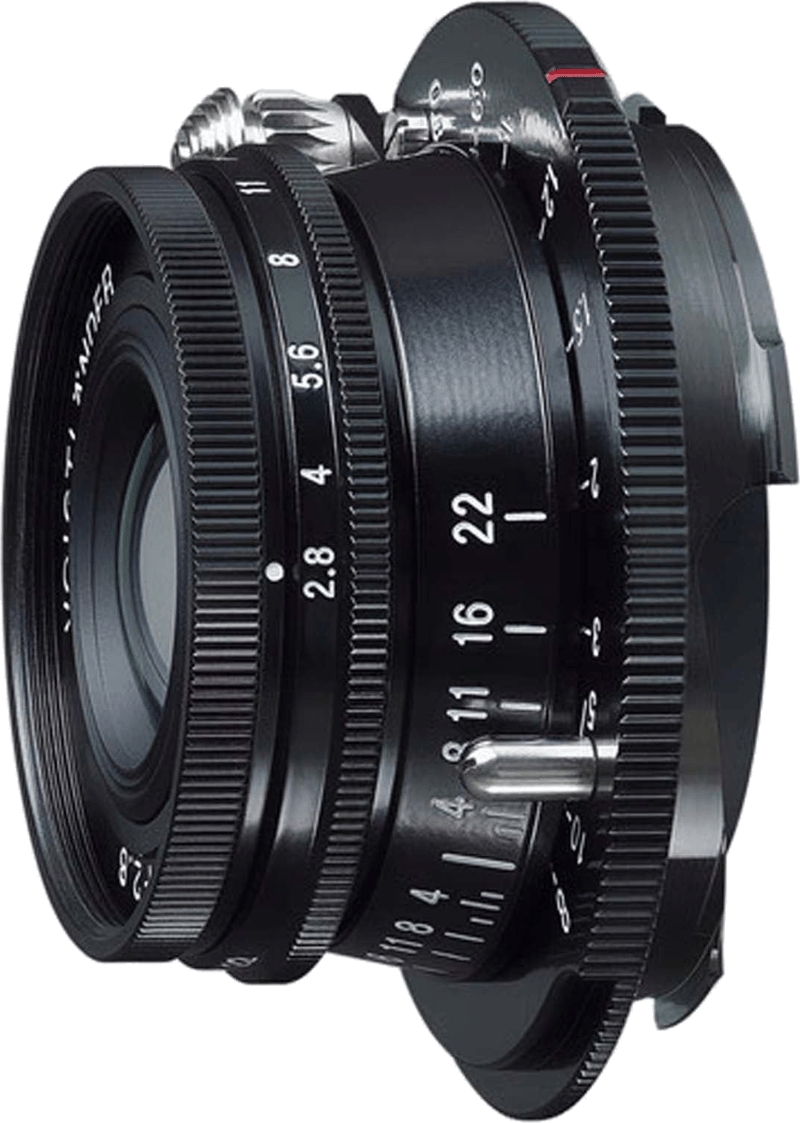
This lens score is calculated from published specifications.
General | |
|---|---|
About This LensThe Voigtlander HELIAR 40mm f/2.8 Aspherical is a compact prime for Leica M full-frame cameras. Its 40mm focal length sits between the familiar 35 and 50 standards, framing street scenes, interiors and travel at a natural scale. A prime holds one focal length, so you reframe by moving yourself. It suits anyone who puts small size and quiet handling first. The trade-off is speed. The maximum aperture is f/2.8, and focusing is manual only, so it asks for a slower, more deliberate way of working. Voigtlander released the design in 2022 and later discontinued it, so it now counts as an older design rather than a current one. | |
| Brand | Voigtlander |
| Release Year | 2022 |
Production Status ⓘCurrent status of lens manufacturing (e.g., in production, discontinued). |  Discontinued |
Pro Branding ⓘSpecific branding codes used for professional-tier lenses. | HELIAR |
Lens Mount ⓘThe lens mount will tell you what type of lens range you can fit onto the camera body. Often the same camera company will have different lens ranges for different cameras. | Leica M |
System ⓘIndicates which camera system the lens is designed to attach to. | Leica M |
Maximum Format ⓘLargest sensor size compatible with the lens. |  Full Frame |
Physical64/100 | |
About the BuildThis is a pancake lens. It weighs 4.6 oz (131 g) and extends just 0.83 in (21.2 mm) from the mount. It barely changes how a small M camera carries. The body is 2.05 in (52 mm) across, and a screw-in filter must match its 34mm thread. Our physical specification score is 64/100. | |
| Lens Weight | 131 g |
Lens Diameter ⓘWidth of the lens at its widest point | 52 mm |
Lens Length ⓘHow long the lens is from front to back. | 21.2 mm |
Front Filter Compatible ⓘSome lenses are compatible with front filters, some are compatible with back filters and some are compatible with both. Front filters are usually more convenient to add and remove. |  Yes |
Front Filter Size ⓘDiameter of attachable filters. | 34 mm |
Optics69/100 | |
About the OpticsA 40mm view frames the world much as you see it. It takes in a little more context than a standard lens. Street corners, café tables, market stalls and doorways all fit without the exaggeration of a wider lens. That middle position makes it a flexible everyday choice for one-lens outings. At f/2.8 the maximum aperture is the working constraint. Daylight and bright interiors are comfortable. Dim rooms ask for higher ISO, and background separation at portrait distance stays gentle. Ten blades help keep the opening round, which can smooth out-of-focus areas behind a subject. Stopping down adds depth of field when the whole scene should read clearly. Closest focus sits at 2.3 ft (70 cm), which sets how near you can work to a subject. Tabletop objects still fill the frame at that distance; anything smaller needs care with composition. A dedicated focusing ring sets distance by hand. Slow, considered subjects such as interiors, architecture and still life suit this pace. Anything moving quickly across the frame leaves less time to focus accurately. Our optics specification score is 69/100. | |
Focal Range ⓘShortest to longest focal length of the lens (zoom range start - end ) | 40 mm |
Aperture Range ⓘLargest aperture at the lens's shortest focal length to longest focal length (aperture range start - end) | 2.8 |
| Focal Length Angle of View | 56.82° |
Flange Focal Distance ⓘDistance from lens mount to sensor. | 27.8 mm |
Diaphragm Type ⓘStructure and design of the aperture |  Manual |
Blades ⓘNumber of diaphragm blades in aperture | 10020 |
Zoom Lens ⓘZoom allows you to vary the focal length, change between long shots and close-ups | No |
Closest Focusing Distance ⓘMinimum distance for a subject to be in focus. | 70 cm01500 |
Maximum Magnification ⓘLargest size a subject can be reproduced | 0.36x |
| Autofocus Mode | No |
| Manual Mode |  Yes |
| Manual Focusing Ring |  Yes |
Features0/100 | |
About the FeaturesImage stabilization is absent. Handheld work in dim light rests on shutter speed and a steady hold. On a tripod or in daylight the omission costs little. At dusk, bracing against a wall buys back some steadiness. Weather sealing is absent too, so rain, spray and dust call for care. The front element also lacks a fluorine coating, so removing marks takes ordinary effort. For travel and street work these limits are manageable. A dry day and a clean cloth cover most of its needs, and its size makes carrying both easy. | |
Weather Sealing ⓘWeather sealing capabilities will give you more confidence when shooting in unfavourable conditions. | No |
Fluorine Coating ⓘCoating to repel water and oil from lens elements. | No |
| Built In Lens Hood | No |
Teleconverter ⓘA teleconverter (extender) is an extra piece of equipment that fits between the lens and the camera body to enhance magnification | No |
| Image Stabilization | No |
Construction15/100 | |
About the ConstructionFive elements in three groups make a simple optical path. One element is aspherical, and its specially shaped surface helps correct faults such as distortion and spherical aberration. That correction is relevant when straight edges matter, such as storefronts and door frames. The construction specification score is 15/100. | |
Elements ⓘLens elements refer to individual pieces of glass within the lens. | 5 |
| Groups | 3 |
Aspherical Elements ⓘThe number of aspherical lens elements which can help correct aberrations such as spherical aberration. | 1 |
Bi Aspherical Elements ⓘElements with two non-spherical surfaces | 0 |
Low Dispersion ⓘElements that reduce chromatic aberration | 0 |
Super Low Dispersion ⓘAdvanced elements further reducing chromatic aberration | 0 |
CA Reduction ⓘBuilt-in features to reduce chromatic aberration | 0 |
Internal Focusing ⓘInternal Focusing means that the lens does not change in size during focusing, and the front element does not rotate. | No |
f/1.4 instead of f/2.8
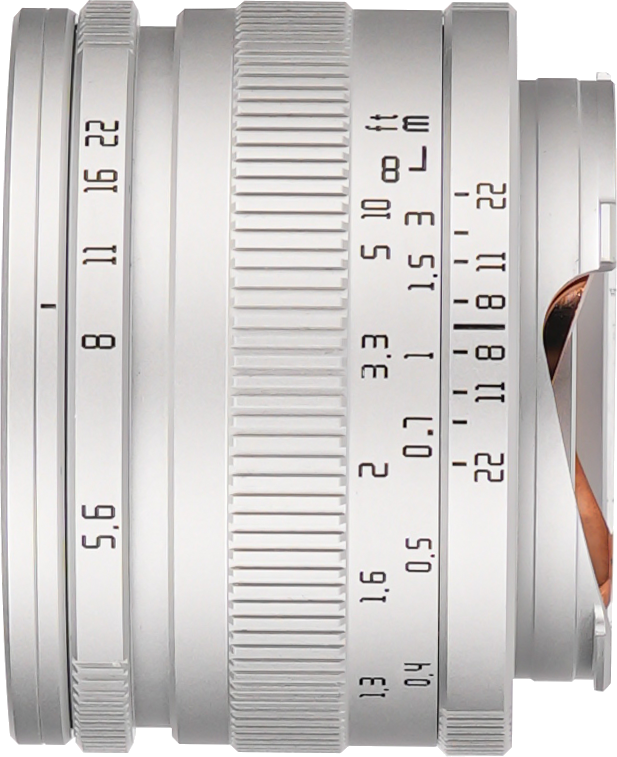
f/5.6 instead of f/2.8
f/1.2 vs f/2.8 · 0.1× vs 0.36× close-up reach · 267 g vs 131 g