
Other Brand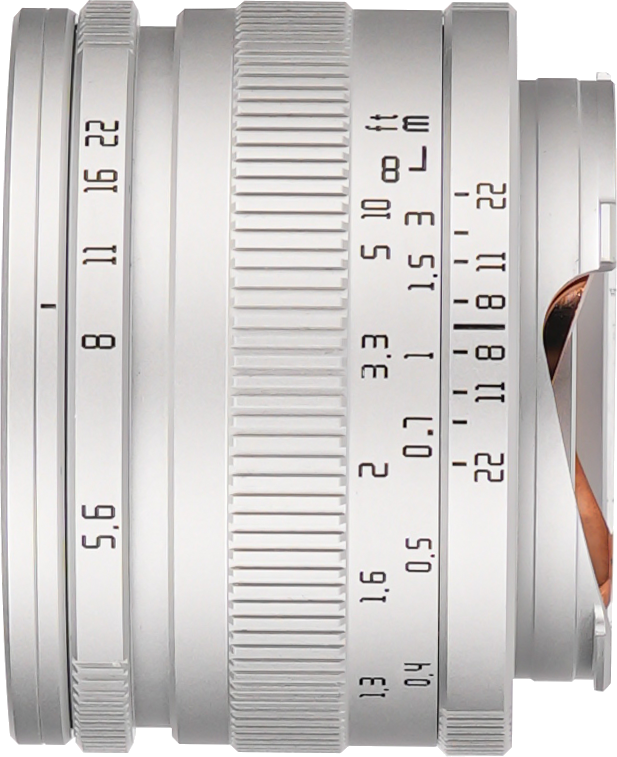
AstrHori MF 40mm f/5.6 Full Frame
f/5.6 instead of f/1.4
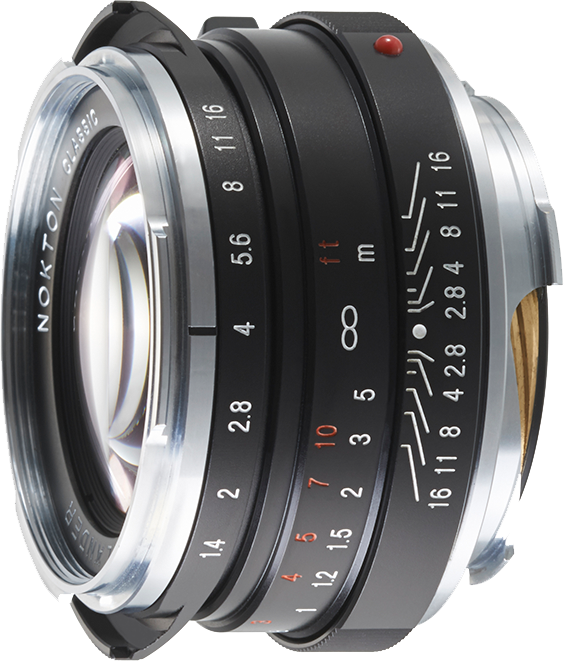
Voigtlander · 40 mm · f/1.4 · Classic
This lens score is calculated from published specifications.
General | |
|---|---|
About This LensThe Voigtlander M 40mm f/1.4 is a compact manual-focus prime for Leica M full frame cameras. It suits street photography, travel and everyday documentary work, where a small unobtrusive lens matters. Environmental portraits and indoor reportage fit the same role. The 40mm focal length sits between wide angle and standard views, a natural choice for one-lens days. Voigtlander introduced this design in 2004, and it remains in production today. It is an older and simple design, and the main trade-off is manual focusing. Photographers happy to focus by hand get a lens that nearly disappears on an M body. | |
| Brand | Voigtlander |
| Release Year | 2004 |
Production Status ⓘCurrent status of lens manufacturing (e.g., in production, discontinued). |  In Production |
Pro Branding ⓘSpecific branding codes used for professional-tier lenses. | Classic |
Lens Mount ⓘThe lens mount will tell you what type of lens range you can fit onto the camera body. Often the same camera company will have different lens ranges for different cameras. | Leica M |
System ⓘIndicates which camera system the lens is designed to attach to. | Leica M |
Maximum Format ⓘLargest sensor size compatible with the lens. |  Full Frame |
Physical64/100 | |
About the BuildThis lens weighs 6.2 oz (175 g) and measures just 1.14 in (29 mm) long and 2.17 in (55 mm) wide. It is small even beside other Leica M primes. The front takes 43mm screw-in filters, which fit straight onto the thread. | |
| Lens Weight | 175 g |
Lens Diameter ⓘWidth of the lens at its widest point | 55 mm |
Lens Length ⓘHow long the lens is from front to back. | 29 mm |
Front Filter Compatible ⓘSome lenses are compatible with front filters, some are compatible with back filters and some are compatible with both. Front filters are usually more convenient to add and remove. |  Yes |
Front Filter Size ⓘDiameter of attachable filters. | 43 mm |
Optics73/100 | |
About the OpticsThe 40mm focal length gives a natural, slightly wide view. It takes in more of a scene than a standard lens, with less exaggeration than a wide angle. That balance lets a setting share the frame with the person in it. Framing is fixed, so you move yourself rather than a zoom ring. The f/1.4 aperture is the main strength. It gathers enough light for dim interiors, evening streets and candlelit rooms without pushing the ISO high. Opened fully, it also separates a figure from a busy background at portrait distance. Depth of field is thin there, so focusing deserves care. The ten blades keep the aperture nearly round when stopped down, which helps out-of-focus areas stay smooth. At 2.3 ft (70 cm), the closest focus handles half-length portraits and people across a dinner table. Framing beyond that distance is quick to judge, since the view changes slowly as you move. The lens scores 73 on our optics scale. Used in bright light at middle apertures, it becomes an easy walk-around lens. You set distance by eye, choose a moment and let the moderate view settle the composition. | |
Focal Range ⓘShortest to longest focal length of the lens (zoom range start - end ) | 40 mm |
Aperture Range ⓘLargest aperture at the lens's shortest focal length to longest focal length (aperture range start - end) | 1.4 |
| Focal Length Angle of View | 56° |
Flange Focal Distance ⓘDistance from lens mount to sensor. | 27.8 mm |
Diaphragm Type ⓘStructure and design of the aperture |  Manual |
Blades ⓘNumber of diaphragm blades in aperture | 10020 |
Zoom Lens ⓘZoom allows you to vary the focal length, change between long shots and close-ups | No |
Closest Focusing Distance ⓘMinimum distance for a subject to be in focus. | 70 cm01500 |
Maximum Magnification ⓘLargest size a subject can be reproduced | 0.07x |
| Autofocus Mode | No |
| Manual Mode |  Yes |
| Manual Focusing Ring |  Yes |
Features0/100 | |
About the FeaturesFocusing is entirely manual, through the rangefinder of a Leica M camera. There is no autofocus motor, so the photographer focuses by hand for every frame. For moving subjects, you prefocus on a spot and let the scene arrive. There is no image stabilization. The f/1.4 aperture helps keep shutter speeds short in low light, but the lens offers no shake reduction of its own. There is no weather sealing either, so it is best kept out of rain and dust. In practice, that makes the lens one for fair weather. With nothing powered inside, the lens is always ready the moment the cap comes off. | |
Weather Sealing ⓘWeather sealing capabilities will give you more confidence when shooting in unfavourable conditions. | No |
Fluorine Coating ⓘCoating to repel water and oil from lens elements. | No |
| Built In Lens Hood | No |
| Lens Hood Type |  Round |
Teleconverter ⓘA teleconverter (extender) is an extra piece of equipment that fits between the lens and the camera body to enhance magnification | No |
| Image Stabilization | No |
Construction0/100 | |
About the ConstructionThe optical construction is seven elements in six groups, with no aspherical or low-dispersion glass. That plain layout keeps the light path short, which is part of why the barrel stays so slim. The design suits the classic character of the M system, where compact primes remain the tradition. | |
Elements ⓘLens elements refer to individual pieces of glass within the lens. | 7 |
| Groups | 6 |
Aspherical Elements ⓘThe number of aspherical lens elements which can help correct aberrations such as spherical aberration. | 0 |
Bi Aspherical Elements ⓘElements with two non-spherical surfaces | 0 |
Low Dispersion ⓘElements that reduce chromatic aberration | 0 |
Super Low Dispersion ⓘAdvanced elements further reducing chromatic aberration | 0 |
CA Reduction ⓘBuilt-in features to reduce chromatic aberration | 0 |
Internal Focusing ⓘInternal Focusing means that the lens does not change in size during focusing, and the front element does not rotate. | No |
f/5.6 instead of f/1.4
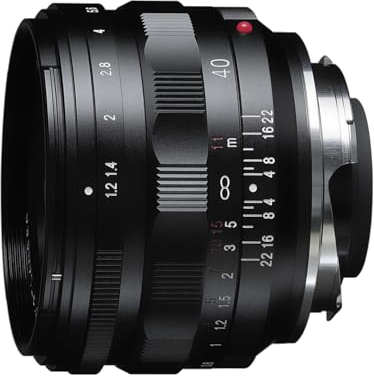
f/1.2 instead of f/1.4
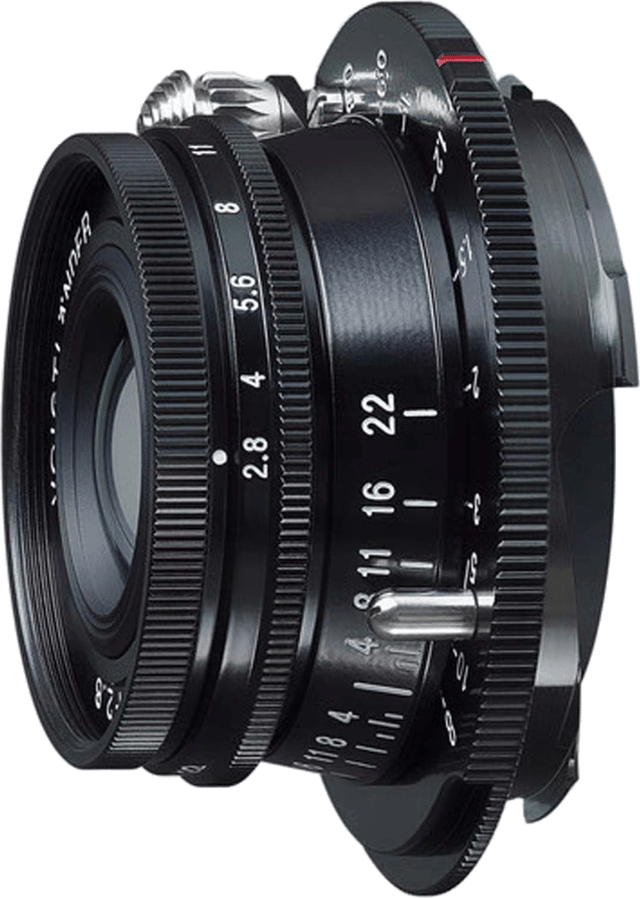
f/2.8 instead of f/1.4