
Autofocus Option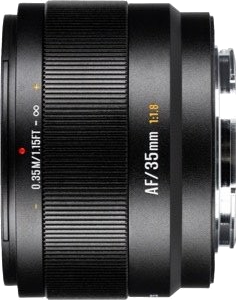
7Artisans AF 35mm f/1.8 LITE
35 mm · f/1.8 instead of f/0.9 · Autofocus instead of manual focus
Voigtlander · 35 mm · f/0.9 · NOKTON
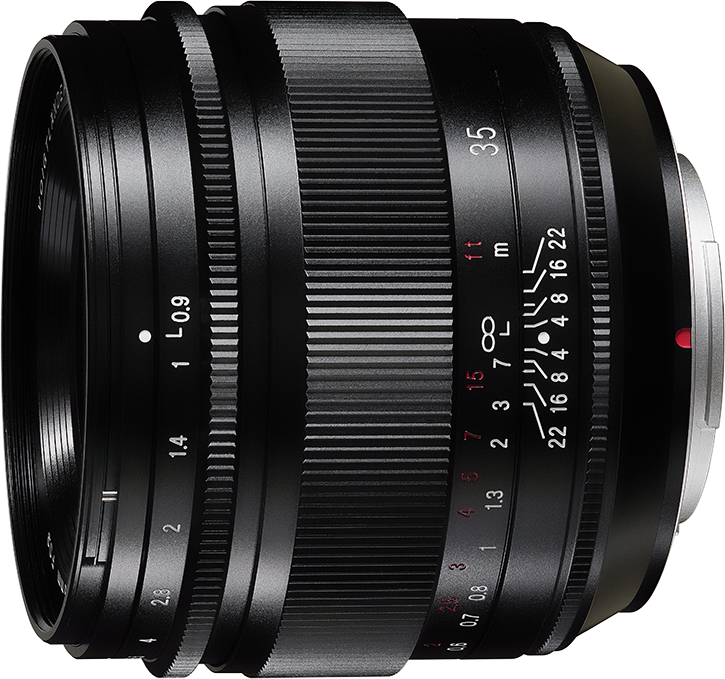
This lens score is calculated from published specifications.
General | |
|---|---|
About This LensThis Voigtlander prime mounts on Fujifilm X bodies and covers the APS-C format. Its 35mm focal length frames like a standard lens, which suits street photography, indoor documentary work and environmental portraits. As a prime, it has one view, so you frame by moving yourself. The reason to choose it is the f/0.9 maximum aperture. That unusual speed sets the lens's whole character, from handheld night work to portrait backgrounds. Everything else follows a manual-focus design. There is no autofocus and no stabilisation, so you trade speed and convenience for that wide aperture. The lens was released in 2023 and remains in production. It rewards slow, deliberate shooting over fast action. | |
| Brand | Voigtlander |
| Release Year | 2023 |
Production Status ⓘCurrent status of lens manufacturing (e.g., in production, discontinued). |  In Production |
Pro Branding ⓘSpecific branding codes used for professional-tier lenses. | NOKTON |
Lens Mount ⓘThe lens mount will tell you what type of lens range you can fit onto the camera body. Often the same camera company will have different lens ranges for different cameras. | Fujifilm X |
System ⓘIndicates which camera system the lens is designed to attach to. | Fujifilm X |
Maximum Format ⓘLargest sensor size compatible with the lens. |  APS-C |
Physical86/100 | |
About the BuildAt 1 lb 1.4 oz (492 g) and 2.56 in (64.9 mm) long, it stays a manageable prime for daily carry. The body runs 2.86 in (72.7 mm) wide, broad for such a short lens. Filters screw directly into the 62mm front thread. It scores 86 on our 100-point physical scale. | |
| Lens Weight | 492 g |
Lens Diameter ⓘWidth of the lens at its widest point | 72.7 mm |
Lens Length ⓘHow long the lens is from front to back. | 64.9 mm |
Front Filter Compatible ⓘSome lenses are compatible with front filters, some are compatible with back filters and some are compatible with both. Front filters are usually more convenient to add and remove. |  Yes |
Front Filter Size ⓘDiameter of attachable filters. | 62 mm |
Optics77/100 | |
About the OpticsThe f/0.9 maximum aperture is the lens's defining strength. It admits far more light than slower standard primes, which helps keep shutter speeds shorter in dim interiors, candlelit rooms and evening streets. That headroom is what makes handheld work in dark places practical. Depth of field at f/0.9 is extremely shallow. A portrait framed wide open separates the sitter from the background strongly, and small focus errors show immediately. The 12 aperture blades keep the opening round, which smooths out-of-focus highlights when the lens is stopped down. Because the lens focuses manually, you set focus with the ring yourself. Slow, considered shooting suits this design; chasing fast-moving subjects does not. Stopping down deepens the focus zone, which makes quicker handheld work easier between precise shots. Closest focus sits at 1.1 ft (35 cm), enough for a plate on a table or a person across a small room. The 35mm framing keeps faces natural in environmental portraits without the distance a longer lens would demand. Optics scores 77 on our 100-point scale. | |
Focal Range ⓘShortest to longest focal length of the lens (zoom range start - end ) | 35 mm |
Aperture Range ⓘLargest aperture at the lens's shortest focal length to longest focal length (aperture range start - end) | 0.9 |
| Focal Length Angle of View | 43.8° |
Flange Focal Distance ⓘDistance from lens mount to sensor. | 17.7 mm |
Diaphragm Type ⓘStructure and design of the aperture |  Manual |
Blades ⓘNumber of diaphragm blades in aperture | 12020 |
Zoom Lens ⓘZoom allows you to vary the focal length, change between long shots and close-ups | No |
Closest Focusing Distance ⓘMinimum distance for a subject to be in focus. | 35 cm01500 |
Maximum Magnification ⓘLargest size a subject can be reproduced | 0.14x |
| Autofocus Mode | No |
| Manual Mode |  Yes |
| Manual Focusing Ring |  Yes |
Features0/100 | |
About the FeaturesThere is no image stabilisation. The lens cannot compensate for handheld shake, so dim-light work leans on the f/0.9 aperture, steady technique and higher ISO settings. A tripod or a steady support sidesteps the issue entirely. Weather sealing is absent and the front glass has no fluorine coating. Keep the lens out of rain and blowing dust, and clean the front element with care. None of these omissions touch the lens's core job of gathering light in dark places. For night streets and indoor work in fair conditions, they are easy to live with. | |
Weather Sealing ⓘWeather sealing capabilities will give you more confidence when shooting in unfavourable conditions. | No |
Fluorine Coating ⓘCoating to repel water and oil from lens elements. | No |
| Built In Lens Hood | No |
| Lens Hood Type |  Round |
Teleconverter ⓘA teleconverter (extender) is an extra piece of equipment that fits between the lens and the camera body to enhance magnification | No |
| Image Stabilization | No |
Construction15/100 | |
About the ConstructionTwo of the ten elements are aspherical. Specially shaped surfaces like these help correct optical faults, including distortion and spherical aberration. Distortion can curve straight edges, so the correction serves shots of walls, doorways and city streets. The design includes no low-dispersion glass, and construction scores 15 on our 100-point scale. | |
Elements ⓘLens elements refer to individual pieces of glass within the lens. | 10 |
| Groups | 8 |
Aspherical Elements ⓘThe number of aspherical lens elements which can help correct aberrations such as spherical aberration. | 2 |
Bi Aspherical Elements ⓘElements with two non-spherical surfaces | 0 |
Low Dispersion ⓘElements that reduce chromatic aberration | 0 |
Super Low Dispersion ⓘAdvanced elements further reducing chromatic aberration | 0 |
CA Reduction ⓘBuilt-in features to reduce chromatic aberration | 0 |
Internal Focusing ⓘInternal Focusing means that the lens does not change in size during focusing, and the front element does not rotate. | No |
35 mm · f/1.8 instead of f/0.9 · Autofocus instead of manual focus
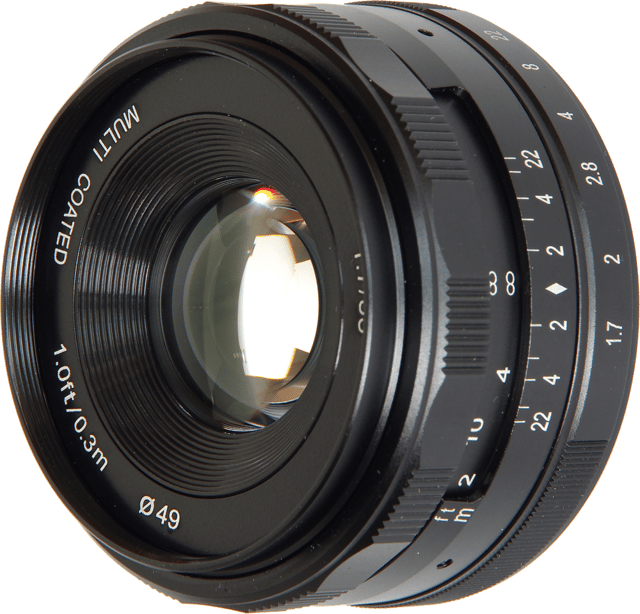
f/1.7 instead of f/0.9
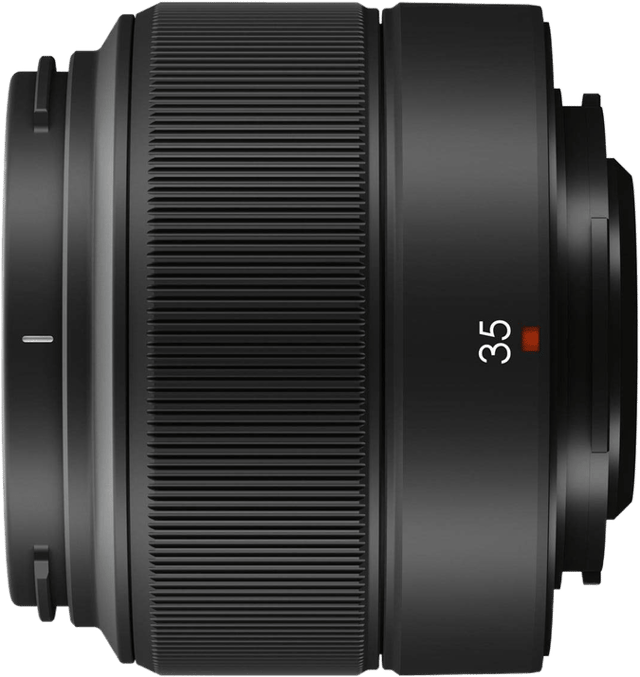
35 mm · f/2 instead of f/0.9 · Autofocus instead of manual focus
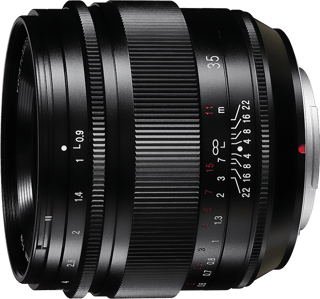
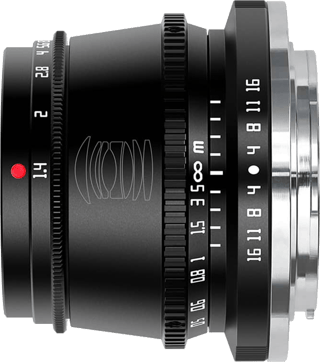
f/1.4 vs f/0.9 · 180 g vs 492 g · Closest focus 28 cm vs 35 cm
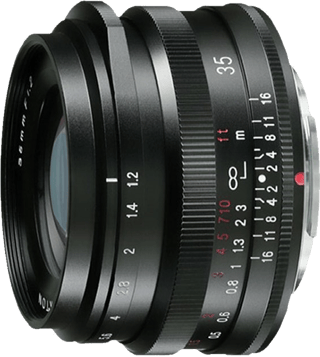
f/1.2 vs f/0.9 · 196 g vs 492 g
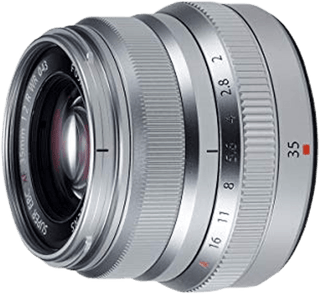
f/2 vs f/0.9 · Adds autofocus · 170 g vs 492 g