
Voigtlander Nokton 50mm f/1.2 Aspherical II VM
Voigtlander · 50 mm · f/1.2 · NOKTON
Score Breakdown
This product does not have an overall score yet.
General | |
|---|---|
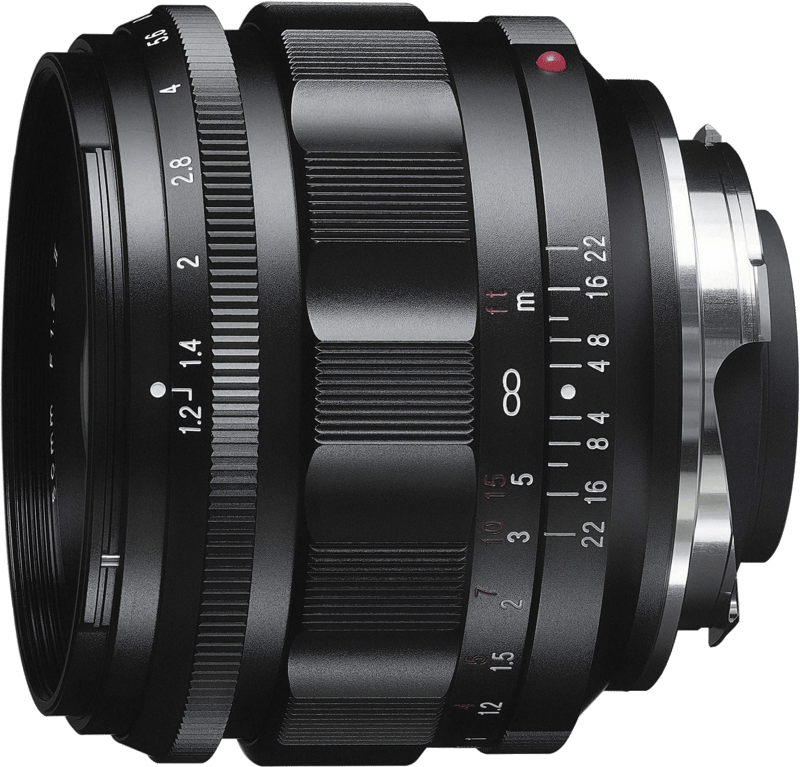
About This LensThis Voigtlander is a 50mm prime for Leica M mount, covering full frame. It was released in 2025 and remains in production, so it is a current design rather than an older model. The focal length suits street, documentary and portrait photography, and travel with a single light lens. The f/1.2 maximum aperture is the defining feature, and the optics section below covers its low-light and depth-of-field effects. The trade-off is control. This lens focuses manually and has no stabilisation, so it suits photographers happy to work deliberately with a focusing ring. Fast-moving subjects are harder to follow this way. | |
| Brand | Voigtlander |
| Release Year | 2025 |
Production Status ⓘCurrent status of lens manufacturing (e.g., in production, discontinued). |  In Production In Production |
Version ⓘThe iteration or release number of a particular lens model. | II |
Pro Branding ⓘSpecific branding codes used for professional-tier lenses. | NOKTON |
Lens Mount ⓘThe lens mount will tell you what type of lens range you can fit onto the camera body. Often the same camera company will have different lens ranges for different cameras. | Leica M |
System ⓘIndicates which camera system the lens is designed to attach to. | Leica M |
Maximum Format ⓘLargest sensor size compatible with the lens. |  Full Frame Full Frame |
Physical | |
About the BuildAt 11.4 oz (322 g) and 2.49 in (63.3 mm) across, this lens stays small for a full-frame 50mm design. It carries lightly on the camera during a day of walking and shooting. A screw-in filter attaches directly at the 52mm thread. | |
| Lens Weight | 322 g |
Lens Diameter ⓘWidth of the lens at its widest point | 63.3 mm |
Front Filter Compatible ⓘSome lenses are compatible with front filters, some are compatible with back filters and some are compatible with both. Front filters are usually more convenient to add and remove. |  Yes Yes |
Front Filter Size ⓘDiameter of attachable filters. | 52 mm |
Optics | |
About the OpticsThe 50mm focal length gives a natural perspective on full frame. It frames street scenes, interiors and half-length portraits without the exaggeration of wider lenses. One framing carries most everyday situations, so the prime design encourages moving toward or away from a subject rather than zooming. The f/1.2 aperture is the main working advantage. It gathers light for evening streets, dim restaurants and indoor portraits without raising the ISO as far. Opened wide, it throws a background well out of focus at portrait distance. Stopping down slightly keeps more of a face sharp while still softening the setting behind it. Twelve aperture blades help the opening stay round when stopped down. Out-of-focus highlights then keep smooth edges instead of turning into visible shapes. That matters for portraits and for night scenes with background lights. Focusing is manual through the ring. At f/1.2 the in-focus zone is thin, so careful focusing decides whether a portrait's eyes land sharp. The closest focus is 2.3 ft (70 cm), enough for portraits and street work. For a tighter head-and-shoulders view, step back slightly rather than focusing close. | |
Focal Range ⓘShortest to longest focal length of the lens (zoom range start - end ) | 50 mm |
Aperture Range ⓘLargest aperture at the lens's shortest focal length to longest focal length (aperture range start - end) | 1.2 |
| Focal Length Angle of View | 47.5° |
Flange Focal Distance ⓘDistance from lens mount to sensor. | 27.8 mm |
Diaphragm Type ⓘStructure and design of the aperture |  Manual Manual |
Blades ⓘNumber of diaphragm blades in aperture | 12020 |
Zoom Lens ⓘZoom allows you to vary the focal length, change between long shots and close-ups | No |
Closest Focusing Distance ⓘMinimum distance for a subject to be in focus. | 70 cm01500 |
| Autofocus Mode | No |
| Manual Mode |  Yes Yes |
| Manual Focusing Ring |  Yes Yes |
Features | |
About the FeaturesThere is no image stabilisation. At 50mm with an f/1.2 aperture, handheld shutter speeds stay short in most light. The absence mainly matters for stationary subjects in very dim places, or for deliberate long exposures. Resting the camera on a surface or raising the shutter speed covers those cases. The lens also has no weather sealing, so it needs care in rain, spray or dust. There is no fluorine coating on the front glass either. Keep it dry in poor conditions. A lens this bright is often used indoors and at night, when rain is less of a concern. Street work in bad weather still calls for protection. | |
Weather Sealing ⓘWeather sealing capabilities will give you more confidence when shooting in unfavourable conditions. | No |
Fluorine Coating ⓘCoating to repel water and oil from lens elements. | No |
| Built In Lens Hood | No |
| Lens Hood Type |  Round Round |
Teleconverter ⓘA teleconverter (extender) is an extra piece of equipment that fits between the lens and the camera body to enhance magnification | No |
| Image Stabilization | No |
Construction | |
About the ConstructionThe eight elements in six groups include two bi-aspherical elements. Their specially shaped surfaces help reduce distortion, so straight edges in interiors and street scenes are less likely to curve. They also help control spherical aberration, a correction that matters most when the lens works wide open at f/1.2. The design relies on this shape correction rather than low-dispersion glass. | |
Elements ⓘLens elements refer to individual pieces of glass within the lens. | 8 |
| Groups | 6 |
Aspherical Elements ⓘThe number of aspherical lens elements which can help correct aberrations such as spherical aberration. | 2 |
Bi Aspherical Elements ⓘElements with two non-spherical surfaces | 2 |
Low Dispersion ⓘElements that reduce chromatic aberration | 0 |
Super Low Dispersion ⓘAdvanced elements further reducing chromatic aberration | 0 |
CA Reduction ⓘBuilt-in features to reduce chromatic aberration | 0 |
Internal Focusing ⓘInternal Focusing means that the lens does not change in size during focusing, and the front element does not rotate. | No |