
Wider Aperture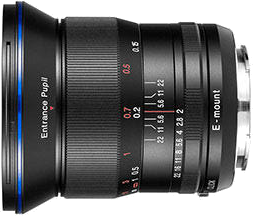
Laowa 15mm f/2 Zero-D
f/2 instead of f/4.5
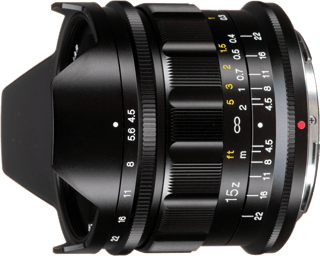
Voigtlander · 15 mm · f/4.5 · HELIAR
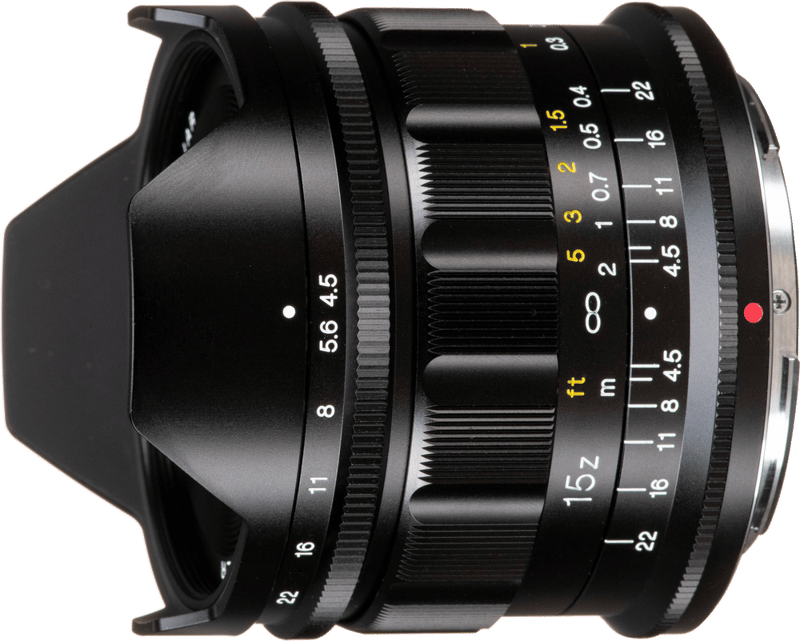
This lens score is calculated from published specifications.
General | |
|---|---|
About This LensThis Voigtlander is an ultra-wide 15mm prime for Nikon Z full-frame cameras. It suits interiors, architecture and landscapes, where the wide view takes in whole rooms or broad scenes. Voigtlander released it in 2023, so it is a recent design. The lens is also small and light, which makes it easy to carry all day. The trade-off is a modest f/4.5 aperture and manual-only focusing. It rewards slow, deliberate framing rather than fast candid work. Manual focusing suits this kind of shooting, since you set the point of sharpness yourself. | |
| Brand | Voigtlander |
| Release Year | 2023 |
Version ⓘThe iteration or release number of a particular lens model. | I |
Pro Branding ⓘSpecific branding codes used for professional-tier lenses. | HELIAR |
Lens Mount ⓘThe lens mount will tell you what type of lens range you can fit onto the camera body. Often the same camera company will have different lens ranges for different cameras. | Nikon Z |
System ⓘIndicates which camera system the lens is designed to attach to. | Nikon Z |
Maximum Format ⓘLargest sensor size compatible with the lens. |  Full Frame |
Physical64/100 | |
About the BuildThe lens weighs 10.2 oz (290 g) and runs 2.64 in (67 mm) long and 2.66 in (67.6 mm) wide. A 58mm screw-in filter attaches directly to the front thread, so a polarising filter for skies or a neutral-density filter for water is easy to fit. | |
| Lens Weight | 290 g |
Lens Diameter ⓘWidth of the lens at its widest point | 67.6 mm |
Lens Length ⓘHow long the lens is from front to back. | 67 mm |
Front Filter Compatible ⓘSome lenses are compatible with front filters, some are compatible with back filters and some are compatible with both. Front filters are usually more convenient to add and remove. |  Yes |
Front Filter Size ⓘDiameter of attachable filters. | 58 mm |
Optics58/100 | |
About the OpticsAt 15mm the lens takes in a very wide view. You can frame a whole room from a corner or a tall building from the pavement. The focal length is fixed, so you frame by moving yourself rather than zooming. The f/4.5 maximum aperture is modest. Daylight and well-lit interiors are comfortable, but dim rooms call for a higher ISO. Depth of field at 15mm runs deep even wide open, so slight focus errors matter less. That depth also makes manual focusing practical, because much of the scene stays acceptably sharp. The lens focuses as close as 0.4 ft (12.6 cm). That lets you add nearby foreground detail to a wide shot, such as stones or flowers in front of a landscape. The maximum magnification is 0.25x, so small objects can fill a useful part of the frame, with the surrounding scene still in context around them. Ten aperture blades help the opening stay round as you stop down. Out-of-focus highlights then tend toward smooth circles rather than clear polygons. | |
Focal Range ⓘShortest to longest focal length of the lens (zoom range start - end ) | 15 mm |
Aperture Range ⓘLargest aperture at the lens's shortest focal length to longest focal length (aperture range start - end) | 4.5 |
| Focal Length Angle of View | 110° |
Flange Focal Distance ⓘDistance from lens mount to sensor. | 16 mm |
Diaphragm Type ⓘStructure and design of the aperture |  Manual |
Blades ⓘNumber of diaphragm blades in aperture | 10020 |
Zoom Lens ⓘZoom allows you to vary the focal length, change between long shots and close-ups | No |
Closest Focusing Distance ⓘMinimum distance for a subject to be in focus. | 12.6 cm01500 |
Maximum Magnification ⓘLargest size a subject can be reproduced | 0.25x |
| Autofocus Mode | No |
| Manual Mode |  Yes |
| Manual Focusing Ring |  Yes |
Features0/100 | |
About the FeaturesThe lens has no image stabilisation. A 15mm view shows camera shake less than a long telephoto view would, so the omission costs little in daylight. In dim interiors a tripod or a steady rest still covers long exposures for static scenes. There is no weather sealing. The lens is best kept out of heavy rain and dust, which matters if you shoot landscapes outdoors. It also has no fluorine coating, so the front element needs ordinary cleaning when water or fingerprints mark it. For the slow, deliberate framing this lens suits, the missing extras rarely get in the way. Landscapes and interiors rarely change while you work, which gives you time for each frame. | |
Weather Sealing ⓘWeather sealing capabilities will give you more confidence when shooting in unfavourable conditions. | No |
Fluorine Coating ⓘCoating to repel water and oil from lens elements. | No |
| Built In Lens Hood | No |
| Lens Hood Type |  Petal |
Teleconverter ⓘA teleconverter (extender) is an extra piece of equipment that fits between the lens and the camera body to enhance magnification | No |
| Image Stabilization | No |
Construction15/100 | |
About the ConstructionThe optical path holds 11 elements in 9 groups, including one aspherical element. An aspherical surface is specially shaped to help correct optical faults such as distortion and spherical aberration. Because distortion makes straight edges appear curved, this correction is useful for interiors and architecture. No low-dispersion glass appears in the listed design. The specification score for construction is 15 out of 100. | |
Elements ⓘLens elements refer to individual pieces of glass within the lens. | 11 |
| Groups | 9 |
Aspherical Elements ⓘThe number of aspherical lens elements which can help correct aberrations such as spherical aberration. | 1 |
Bi Aspherical Elements ⓘElements with two non-spherical surfaces | 0 |
Low Dispersion ⓘElements that reduce chromatic aberration | 0 |
Super Low Dispersion ⓘAdvanced elements further reducing chromatic aberration | 0 |
CA Reduction ⓘBuilt-in features to reduce chromatic aberration | 0 |
Internal Focusing ⓘInternal Focusing means that the lens does not change in size during focusing, and the front element does not rotate. | No |
f/2 instead of f/4.5
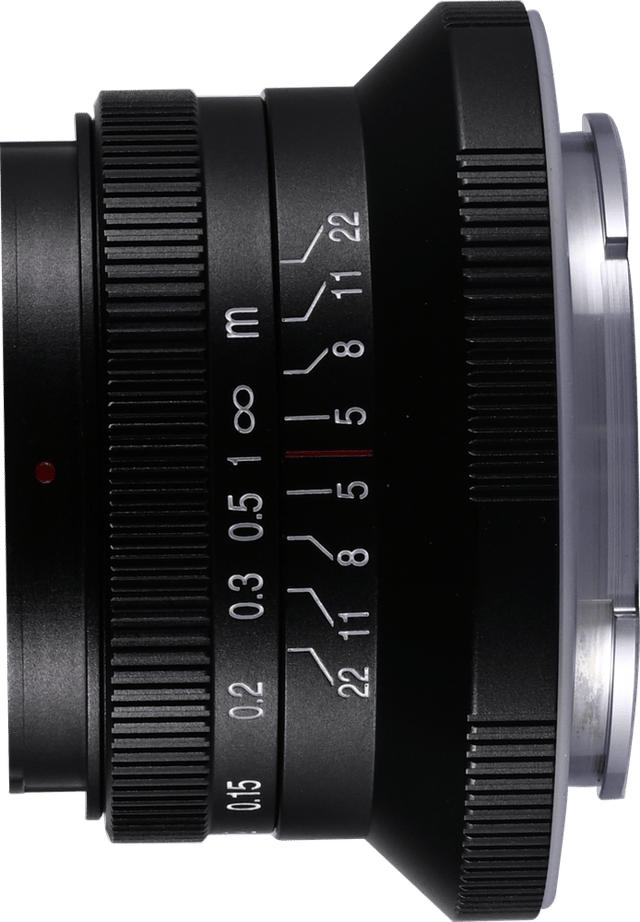
f/5 instead of f/4.5
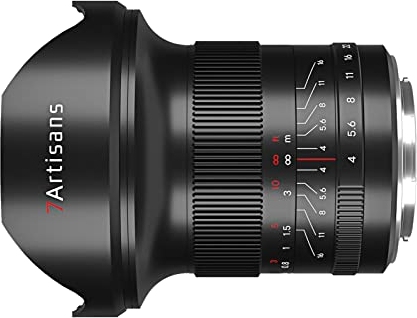
f/4 instead of f/4.5
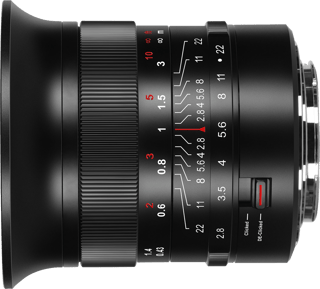
14 mm vs 15 mm · f/2.8 vs f/4.5 · 0.07× vs 0.25× close-up reach
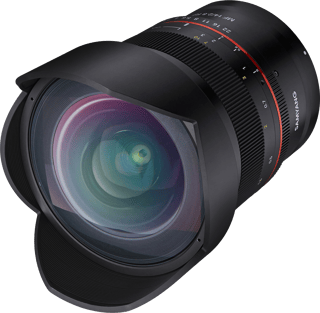
14 mm vs 15 mm · f/2.8 vs f/4.5 · 0.08× vs 0.25× close-up reach
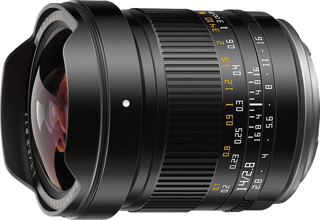
14 mm vs 15 mm · f/2.8 vs f/4.5 · 0.08× vs 0.25× close-up reach