
Other Brand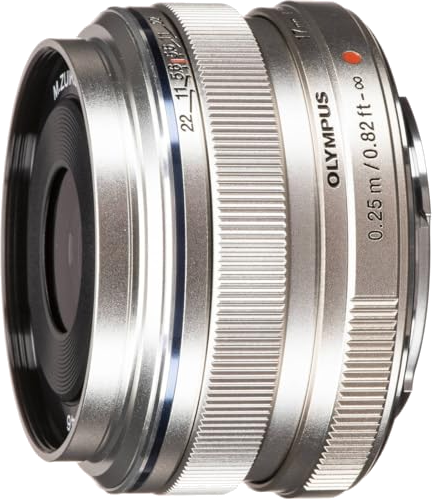
OM System M.Zuiko Digital 17mm f/1.8
f/1.8 instead of f/1.7
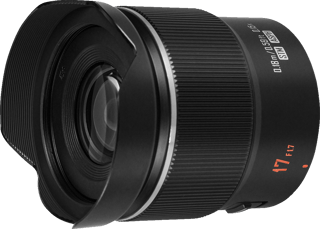
Yongnuo · 17 mm · f/1.7
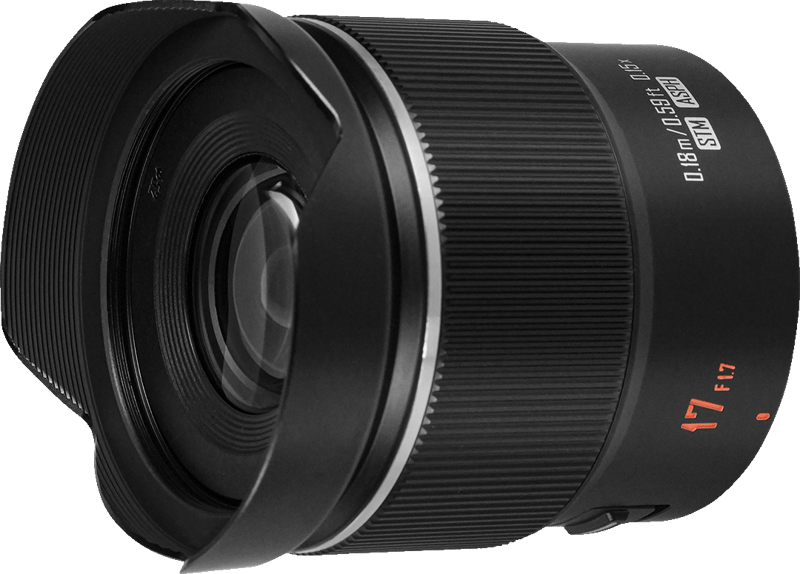
This lens score is calculated from published specifications.
General | |
|---|---|
About This LensThe Yongnuo YN 17mm f/1.7M is a small wide-angle prime for Micro Four Thirds cameras. On this format, 17mm gives a mild wide view. That suits street photography, tight interiors, travel and groups of friends at a table. The f/1.7 aperture keeps it usable in dim rooms and after dark. It arrived in 2024 and remains in production, so this is a current design rather than an older model. The trade-off is plain. You get a light, bright prime, but there is no zoom, no stabilization and no weather sealing. If you like working with one focal length, those limits are easy to accept. A fixed wide view still handles plenty of everyday wide-angle shooting. | |
| Brand | Yongnuo |
| Release Year | 2024 |
Production Status ⓘCurrent status of lens manufacturing (e.g., in production, discontinued). |  In Production |
Lens Mount ⓘThe lens mount will tell you what type of lens range you can fit onto the camera body. Often the same camera company will have different lens ranges for different cameras. | Micro Four Thirds |
System ⓘIndicates which camera system the lens is designed to attach to. | Micro Four Thirds |
Maximum Format ⓘLargest sensor size compatible with the lens. | Micro Four Thirds |
Physical64/100 | |
About the BuildThe lens weighs 6.3 oz (180 g) and measures 2.59 in (65.8 mm) across and 3.06 in (77.8 mm) long. It stays small on a compact body. A screw-in filter must match the 52mm thread. Our physical score is 64. | |
| Lens Weight | 180 g |
Lens Diameter ⓘWidth of the lens at its widest point | 65.8 mm |
Lens Length ⓘHow long the lens is from front to back. | 77.8 mm |
Front Filter Compatible ⓘSome lenses are compatible with front filters, some are compatible with back filters and some are compatible with both. Front filters are usually more convenient to add and remove. |  Yes |
Front Filter Size ⓘDiameter of attachable filters. | 52 mm |
Optics83/100 | |
About the OpticsA 17mm prime on Micro Four Thirds behaves like a mild wide angle. You can stand inside a small cafe and still fit the room. At a table, it frames several faces without stepping back. Framing is fixed, so you move your feet to change the composition. The f/1.7 maximum aperture is the headline spec. In a dim bar or at dusk, it keeps shutter speeds workable without pushing ISO far. Wide open, it can also separate a nearby subject from a busy background, though a 17mm frame never gives strong blur at distance. Stopping down also brings more of a room into focus. Closest focus is 0.6 ft (18 cm). That lets you press up near a plate of food or a product on a desk and still use the wide view for context. Perspective gets bold at that distance, so keep it deliberate. Seven aperture blades form the opening, and their shape can show in small out-of-focus highlights. Our optics score is 83. | |
Focal Range ⓘShortest to longest focal length of the lens (zoom range start - end ) | 17 mm |
Aperture Range ⓘLargest aperture at the lens's shortest focal length to longest focal length (aperture range start - end) | 1.7 |
| Focal Length Angle of View | 64.95° |
Flange Focal Distance ⓘDistance from lens mount to sensor. | 19.25 mm |
Diaphragm Type ⓘStructure and design of the aperture |  Automatic |
Blades ⓘNumber of diaphragm blades in aperture | 7020 |
Zoom Lens ⓘZoom allows you to vary the focal length, change between long shots and close-ups | No |
Closest Focusing Distance ⓘMinimum distance for a subject to be in focus. | 18 cm01500 |
Maximum Magnification ⓘLargest size a subject can be reproduced | 0.15x |
| Autofocus Mode |  Yes |
| Manual Mode |  Yes |
| Manual Focusing Ring |  Yes |
Features0/100 | |
About the FeaturesThis lens has no image stabilization, so the camera body must supply any correction. At 17mm, handheld shutter speeds can stay fairly short before shake shows, which softens the loss. For video or long exposures, plan on a tripod or a stabilized body. Bracing your elbows on a wall works too. There is no weather sealing either. Rain, sea spray and dust are risks in this lens's usual territory. A simple rain sleeve covers the gap. The front glass also lacks a fluorine coating, the kind that repels water and oil. Fingerprints and rain spots will need a cloth more often. | |
Weather Sealing ⓘWeather sealing capabilities will give you more confidence when shooting in unfavourable conditions. | No |
Fluorine Coating ⓘCoating to repel water and oil from lens elements. | No |
| Built In Lens Hood |  Yes |
| Lens Hood Type |  Petal |
Teleconverter ⓘA teleconverter (extender) is an extra piece of equipment that fits between the lens and the camera body to enhance magnification | No |
| Image Stabilization | No |
Construction54/100 | |
About the ConstructionInside, 10 elements sit in 9 groups. Two aspherical elements use specially shaped surfaces that help correct distortion. That matters when walls and doorframes fill a wide frame. Focus is internal, so the barrel does not extend while focusing. Two low-dispersion elements help reduce chromatic aberration, the coloured fringes that can appear along high-contrast edges such as rooftops against sky. Our construction score is 54. | |
Elements ⓘLens elements refer to individual pieces of glass within the lens. | 10 |
| Groups | 9 |
Aspherical Elements ⓘThe number of aspherical lens elements which can help correct aberrations such as spherical aberration. | 2 |
Bi Aspherical Elements ⓘElements with two non-spherical surfaces | 0 |
Low Dispersion ⓘElements that reduce chromatic aberration | 2 |
Super Low Dispersion ⓘAdvanced elements further reducing chromatic aberration | 0 |
CA Reduction ⓘBuilt-in features to reduce chromatic aberration | 0 |
Internal Focusing ⓘInternal Focusing means that the lens does not change in size during focusing, and the front element does not rotate. |  Yes |
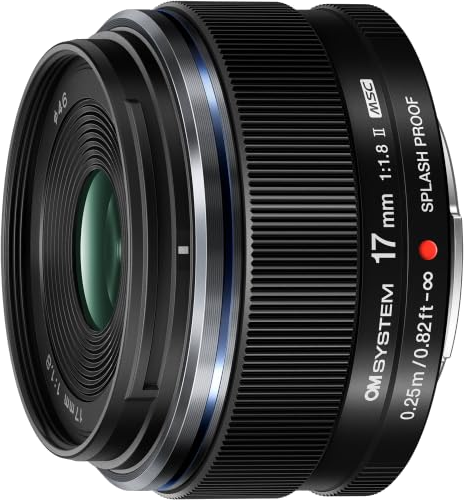
f/1.8 instead of f/1.7
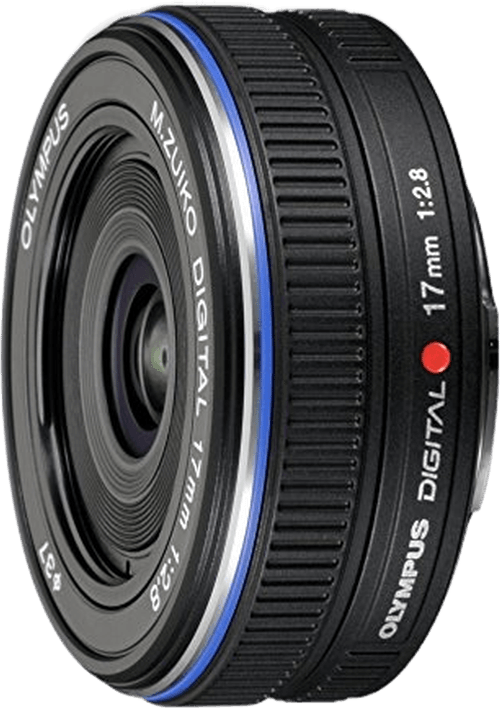
f/2.8 instead of f/1.7
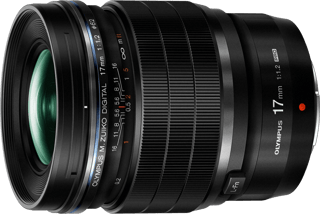
f/1.2 vs f/1.7 · 390 g vs 180 g