
Autofocus Option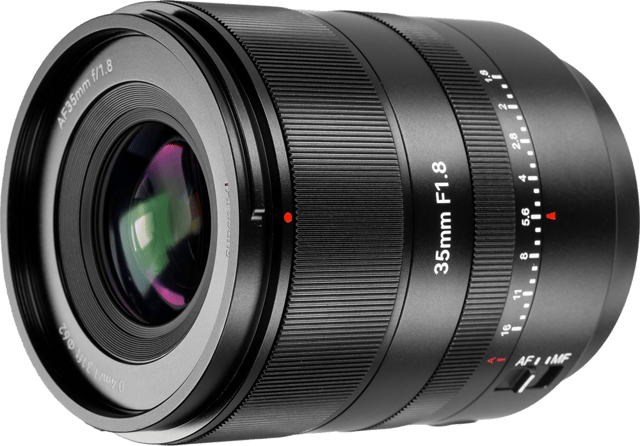
7Artisans AF 35mm f/1.8
35 mm · f/1.8 instead of f/2 · Autofocus instead of manual focus
Zeiss · 35 mm · f/2
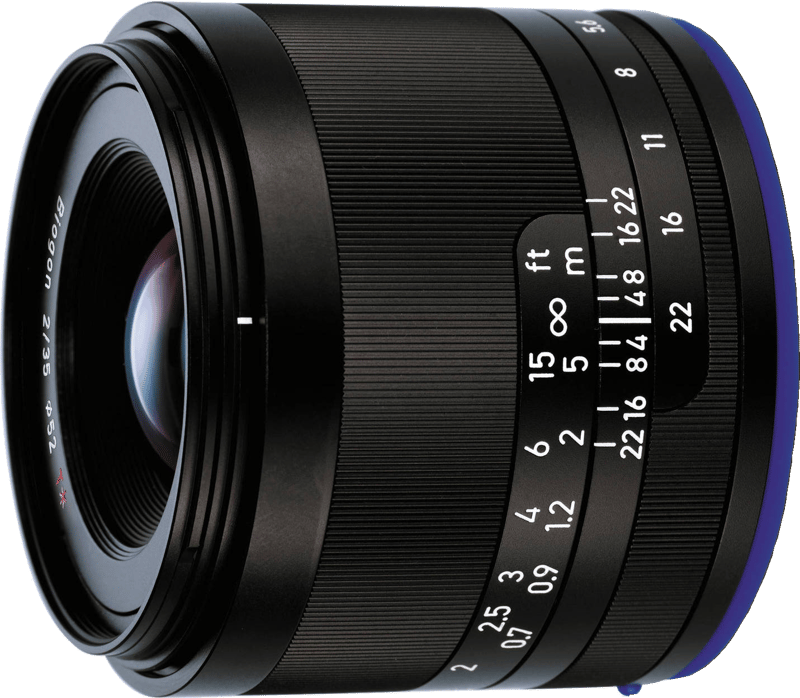
This product does not have an overall score yet.
General | |
|---|---|
About This LensThis Zeiss prime is a compact manual-focus lens for Sony E full-frame cameras. A 35mm focal length suits street photography, travel and everyday documentary work. Street scenes, markets and quiet interiors are natural territory. The lens fits photographers who prefer to set focus themselves and work at a measured pace. The main trade-off is focusing. There is no autofocus, so every shot depends on the manual focus ring. Zeiss introduced the lens in 2014 and has since ended production, so it counts as an older design. | |
| Brand | Zeiss |
| Release Year | 2014 |
Production Status ⓘCurrent status of lens manufacturing (e.g., in production, discontinued). |  Discontinued |
Lens Mount ⓘThe lens mount will tell you what type of lens range you can fit onto the camera body. Often the same camera company will have different lens ranges for different cameras. | Sony E |
System ⓘIndicates which camera system the lens is designed to attach to. | Sony E |
Maximum Format ⓘLargest sensor size compatible with the lens. |  Full Frame |
Physical | |
About the BuildAt 12 oz (340 g) and 2.33 in (59.2 mm) long, the lens stays small and light for a full-frame prime. The front accepts 52mm screw-in filters on its own thread, so a polariser or ND filter attaches directly. | |
| Lens Weight | 340 g |
Lens Diameter ⓘWidth of the lens at its widest point | 62 mm |
Lens Length ⓘHow long the lens is from front to back. | 59.2 mm |
Front Filter Compatible ⓘSome lenses are compatible with front filters, some are compatible with back filters and some are compatible with both. Front filters are usually more convenient to add and remove. |  Yes |
Front Filter Size ⓘDiameter of attachable filters. | 52 mm |
Optics | |
About the OpticsThe 35mm focal length frames street scenes, interiors and travel subjects with natural perspective. You can step closer for a tighter view or back away to keep a person within their surroundings. That flexibility suits environmental portraits, where context matters as much as the face. The f/2 maximum aperture gathers useful light for dim cafes, museums and evening streets. Wide open, it also softens the background behind a subject, helping a person stand out from a busy scene. You can therefore keep a usable shutter speed indoors without pushing the camera's ISO high. Closest focus is 1 ft (30 cm). That is close enough to fill a frame with food, flowers or market goods when you want a detail shot alongside wider work. The short working distance also suits table-top work, where you can move in close without crowding the arrangement. Ten aperture blades help the opening stay round as you stop down, smoothing out-of-focus highlights in night scenes. Focus is manual at all distances, so the lens favours still or slow subjects such as buildings, food and posed portraits over fast action. | |
Focal Range ⓘShortest to longest focal length of the lens (zoom range start - end ) | 35 mm |
Aperture Range ⓘLargest aperture at the lens's shortest focal length to longest focal length (aperture range start - end) | 2 |
| Focal Length Angle of View | 63° |
Flange Focal Distance ⓘDistance from lens mount to sensor. | 18 mm |
Diaphragm Type ⓘStructure and design of the aperture |  Manual |
Blades ⓘNumber of diaphragm blades in aperture | 10020 |
Zoom Lens ⓘZoom allows you to vary the focal length, change between long shots and close-ups | No |
Closest Focusing Distance ⓘMinimum distance for a subject to be in focus. | 30 cm01500 |
Maximum Magnification ⓘLargest size a subject can be reproduced | 0.17x |
| Autofocus Mode | No |
| Manual Mode |  Yes |
| Manual Focusing Ring |  Yes |
Features | |
About the FeaturesThe Loxia keeps its feature list deliberately short. There is no image stabilisation, so you depend on shutter speed, steady hands or a support when light falls. At 35mm, handheld shooting at moderate speeds stays within reach for most photographers, and bracing against a solid object covers the rest. There is no weather sealing, so keep the lens under cover in rain and shield it from dust on beaches or dirt roads. The front element also lacks a fluorine coating, so it does not repel dust and water. Gentle cleaning keeps it clear. The manual focus ring is the one control you use constantly. Turning it sets focus directly, with no motor in the path, which suits a slow, deliberate way of working. | |
Weather Sealing ⓘWeather sealing capabilities will give you more confidence when shooting in unfavourable conditions. | No |
Fluorine Coating ⓘCoating to repel water and oil from lens elements. | No |
| Built In Lens Hood | No |
| Lens Hood Type |  Rectangular |
Teleconverter ⓘA teleconverter (extender) is an extra piece of equipment that fits between the lens and the camera body to enhance magnification | No |
| Image Stabilization | No |
Construction | |
About the ConstructionInside are nine elements in six groups, with one made from low-dispersion glass. This glass type helps reduce chromatic aberration, where colours focus at slightly different points and coloured fringes appear along high-contrast edges. The design intent is cleaner edges on bright subjects such as sunlit signs and window frames. | |
Elements ⓘLens elements refer to individual pieces of glass within the lens. | 9 |
| Groups | 6 |
Aspherical Elements ⓘThe number of aspherical lens elements which can help correct aberrations such as spherical aberration. | 0 |
Bi Aspherical Elements ⓘElements with two non-spherical surfaces | 0 |
Low Dispersion ⓘElements that reduce chromatic aberration | 1 |
Super Low Dispersion ⓘAdvanced elements further reducing chromatic aberration | 0 |
CA Reduction ⓘBuilt-in features to reduce chromatic aberration | 0 |
35 mm · f/1.8 instead of f/2 · Autofocus instead of manual focus
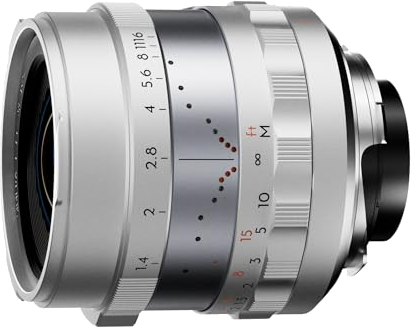
f/1.4 instead of f/2
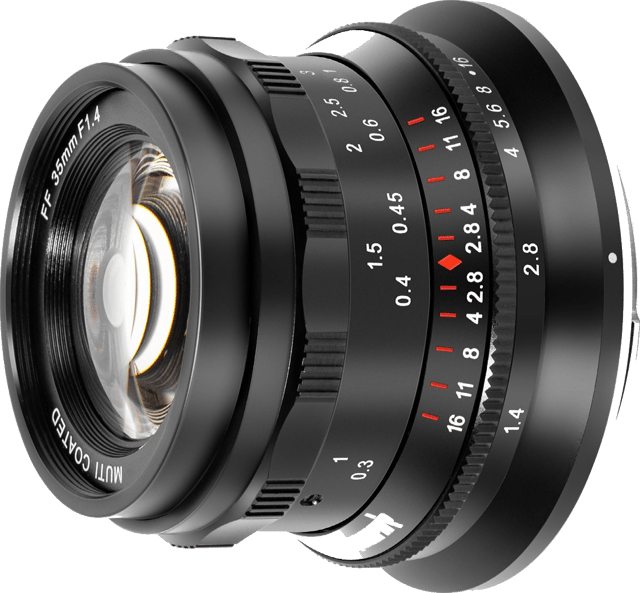
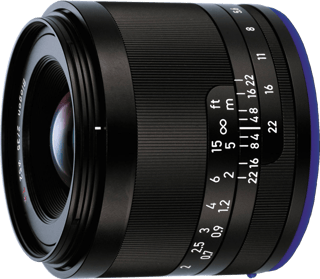
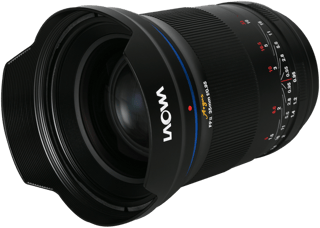
f/0.95 vs f/2 · 0.1× vs 0.17× close-up reach · 755 g vs 340 g
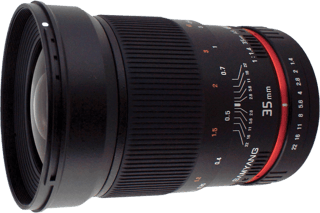
f/1.4 vs f/2 · 0.22× vs 0.17× close-up reach · 710 g vs 340 g
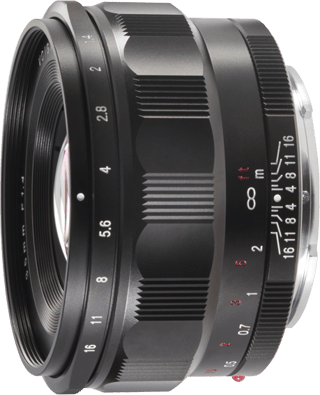
f/1.4 vs f/2 · 262 g vs 340 g