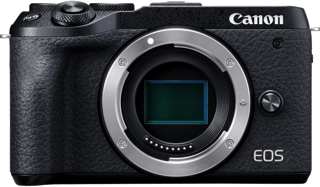
Closest Match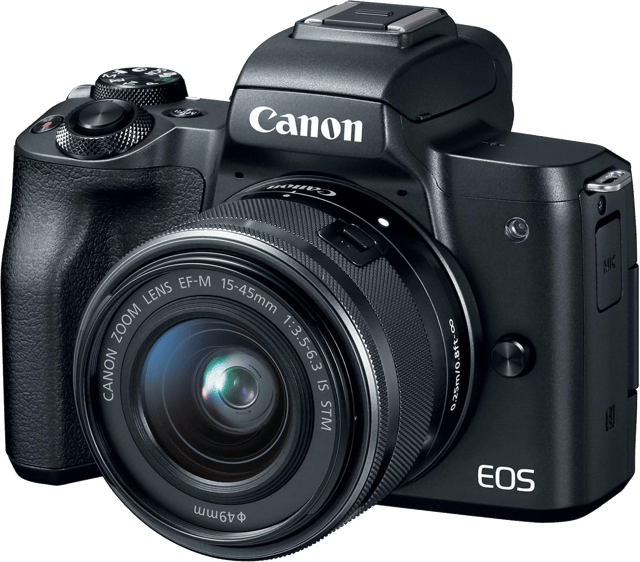
Canon EOS M50
24 MP instead of 24.2 MP · Released 2018 vs 2016
Canon · Mirrorless · 24.2 MP · APS-C · Full HD video
This camera score is calculated from published specifications.
General | |
|---|---|
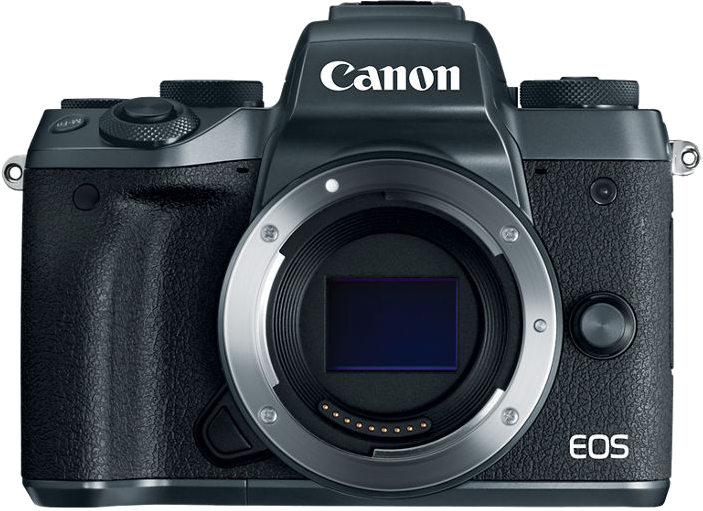
About This CameraCanon released the EOS M5 in 2016 as a mirrorless camera with an APS-C sensor in a compact 427 g body. The EF-M mount means the system centres on Canon's small mirrorless lenses, which keeps the whole kit travel-friendly. It combines an electronic viewfinder with a large touchscreen, giving you two comfortable ways to frame a shot and adjust settings. Wi-Fi and Bluetooth are built in for wireless connection to a phone or other devices. The size and 427 g weight suit travel, family and everyday photography, where a light body you actually bring along matters more than a heavy one left at home. | |
| Brand | Canon |
| Model | EOS M5 |
Released ⓘRefers to the year this camera was officially made available for sale. | 2016 |
Announcement date ⓘRefers to the date the manufacturer publicly announced the upcoming release and general specs of this camera. | September 15, 2016 |
| Camera type |  Mirrorless |
| Camera size | 116 x 89 x 61 mm |
| Camera weight | 427 g |
Optics60/100 | |
About the OpticsThe optics score of 60 lands in the good range, placing the M5 around the middle of cameras in our database for optics. The 24.2-megapixel APS-C CMOS sensor, processed by the Digic 7 processor, gives you generous resolution for prints and leaves room to crop while keeping detail. For moving subjects, the camera shoots at up to 9 frames per second and offers 49 autofocus points to spread your focus placement options. The shutter reaches 1/4000s, enough to freeze everyday motion, and the ISO range runs from 100 to 25600, extending your sensitivity settings as light drops. There is no sensor-shift stabilisation in the body, so a stabilised lens makes handheld shooting at slower shutter speeds easier. If you mostly shoot in good light or use fast lenses, the gap matters less. Framing goes through a 2.36-million-dot electronic viewfinder for eye-level composition with plenty of detail in the display. | |
Megapixels ⓘThe higher the number of megapixels, the more detail the cameras sensor can capture. | 24.2 MP050 |
Image resolution ⓘImage resolution is measured in pixels and megapixels, width by height. The higher the number, the higher its resolution. | 6000 x 4000 |
Sensor type ⓘThe camera sensor captures light and records the image. Sensors vary in physical size, the number of pixels, and quality. | CMOS |
Sensor size ⓘThe sensor size contributes to the overall quality as well as the dynamic and tonal range a camera can capture. As a rule of thumb, the more surface there is to read the light, the more information it will capture. | 14.9 x 22.3 |
Sensor format ⓘRefers to the most commonly used sensor sizes. |  APS-C |
Continuous shooting ⓘThe number of sequential frames per second the camera can write to the memory card when shooting in burst or continuous mode. | 9 fps045 |
Lens mount ⓘThe lens mount will tell you what type of lens range you can fit onto the camera body. Often the same camera company will have different lens ranges for different cameras. | Canon EF-M |
Image processor ⓘThe image processor in the camera converts the information collected on the sensor for digital storage on the memory card. | Digic 7 |
Aspect ratio ⓘThe aspect ratio refers to the proportional difference between width and height. The most popular aspect ratios are 3:2 and 4:3. |  3:2 |
Min ISO ⓘRefers to the lowest native (or 'base') ISO setting. Lower ISO are less sensitive to light but make a cleaner image. | 10030200 |
Max ISO ⓘRefers to the highest native (or 'base') ISO setting. Higher ISO is necessary for low-light situations or night photography, but higher ISOs often introduce grain or noise. | 256003003280000 |
Min ISO (expanded) ⓘExpanded (or extended) ISO is a digitally enhanced feature available on some cameras. It allows you to push beyond the native ISO range if necessary. | 10030200 |
Max ISO (expanded) ⓘExpanded (or extended) ISO is a digitally enhanced feature available on some cameras. It allows you to push beyond the native ISO range if necessary. | 256003003280000 |
Minimum shutter speed ⓘThe minimum shutter speed will tell you the longest exposure your camera can take without using an external accessory. | 3044080 |
Max shutter speed ⓘThe maximum shutter speed tells you the length inside 1 second the camera will capture. These can sometimes be extended with accessories such as extra external batteries. | 400080032000 |
Autofocus points ⓘAutofocus points show where the camera is focusing graphically as squares or brackets in Live View or on an electronic viewfinder. These points are also used for light meter readings. | 490300 |
In-body stabilisation ⓘIn-body Stabilization means the camera has a certain technology embedded that counteracts camera shake. | No |
Viewfinder type ⓘThe viewfinder type is either electronic or optical. Electronic viewfinders will have a small screen in the viewfinder. Optical viewfinders will use prisms and mirrors to look through the lens. | Electronic |
| Viewfinder dots | 236000009900000 |
Video70/100 | |
About the VideoThe video score of 70 falls in the good range. Full HD is the resolution ceiling, and the maximum frame rate is 60 fps, which keeps everyday motion smooth. These are separate limits, not a guaranteed combined mode. That suits family videos, vlogs and web content rather than large-screen 4K productions. A built-in timelapse mode turns slow-moving subjects like clouds or crowds into short sequences, and because the interval shooting happens inside the camera, you do not need extra gear to do it. Clips record as MP4, a widely supported format for editing and sharing. The rear screen's 1.62 million dots give live view a clear preview while you compose each shot. | |
Video ⓘIndicates if this camera is capable of recording video. |  Yes |
Max video resolution ⓘThe best resolution this camera can capture video in. Modern cameras can capture up to 8K video. |  Full HD |
Max video format ⓘVideo resolution measured by the greatest number of pixels possible in each frame, width by height. A higher resolution means more detail or clarity in your video. | 1920 x 1080 |
Max video frame rate ⓘHow many frames per second your video will capture. Most cameras have options for multiple frame rates, depending on the resolution you shoot in. For a general video, 24p or 30p is the standard, but more serious filmmakers may need a higher frame rate for creative effect. | 60 fps |
Timelapse built in ⓘA built in time-lapse mode will allow continuous shooting throughout a prolonged period of time to be compressed into a sped up video. |  Yes |
Video file format ⓘDifferent cameras can record in various video file formats. The File format you record in can impact how you edit and use the files. | MP4 |
Features74/100 | |
About the FeaturesThe features score of 74 sits in the good range. The 3.2-inch touchscreen carries 1.62 million dots, so playback and live view show plenty of detail, and you can tap to change settings instead of digging through menus. The screen does not swing out to the side, so self-framing for vlogs or filming yourself takes more planning than a side-hinged design would allow. Lighting is covered both ways: a built-in flash handles quick fill light, and support for an external flash lets you add stronger, more directional light when the scene needs it. Wi-Fi and Bluetooth are built in for wireless connection, though there is no GPS, so location tags have to come from your phone or another external source. There is no weather sealing either, so keep rain and spray away from the body. | |
Builtin flash ⓘA built-in flash will often be positioned right above the lens. This will automatically pop up when you activate it. |  Yes |
External flash ⓘExternal flashes are often connected through a hot shoe at the top of a camera, or a cable at the side of the camera. |  Yes |
GPS ⓘGPS features in a camera will include location metadata to each of your photographs. | No |
Weather sealing ⓘWeather sealing capabilities will give you more confidence when shooting in unfavourable conditions. | No |
| Screen type | LCD |
Touch screen ⓘTouchscreen allows you to change camera settings and access menus with a swipe of your finger, instead of using buttons. |  Yes |
| Screen size | 3.2" |
Screen dots ⓘScreen dots indicate the resolution of the LCD screen by including each sub pixel. | 16200001150001500000 |
Flip screen ⓘA flip screen (or articulating screen) is a second screen which can flip out from the side or top of the camera. This rotating screen allows you more freedom to take photos at different angles. | No |
Live view ⓘLive View feature allows you to see a continuous live video of what is being seen through your lens. |  Yes |
Wi-Fi ⓘBuilt-in Wi-Fi allows you to connect your camera and share images wirelessly. |  Yes |
Bluetooth ⓘBluetooth capabilities allow you wireless control of your camera with other external devices. |  Yes |
Storage & Battery16/100 | |
About the Storage & BatteryThe storage and battery score of 16 is limited, and the facts explain why. There is a single card slot, taking SD, SDHC or SDXC media, so you cannot record to two cards at once. Format the card before an important shoot and carry a spare. The LP-E17 battery is rated at 295 shots, a modest figure, so a spare battery is a sensible purchase for longer shoots or travel where charging opportunities are limited. There is no USB charging, so the camera cannot top the battery up over a USB cable. Charging between sessions and packing a spare covers most shooting situations. | |
| Memory card | SD / SDHC / SDXC |
| Dual memory card slots | No |
| Battery type | LP-E17 |
Battery life ⓘApproximately how long this cameras battery will last measured by how many photographs you will be able to take. | 295 shots1505000 |
| USB charging | No |
24 MP instead of 24.2 MP · Released 2018 vs 2016
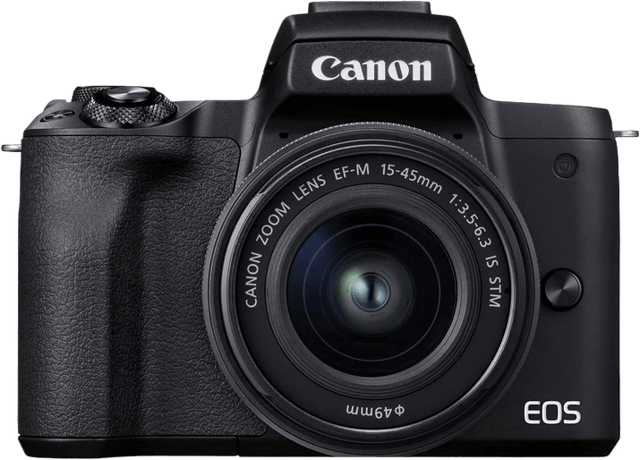
24 MP instead of 24.2 MP · Released 2020 vs 2016
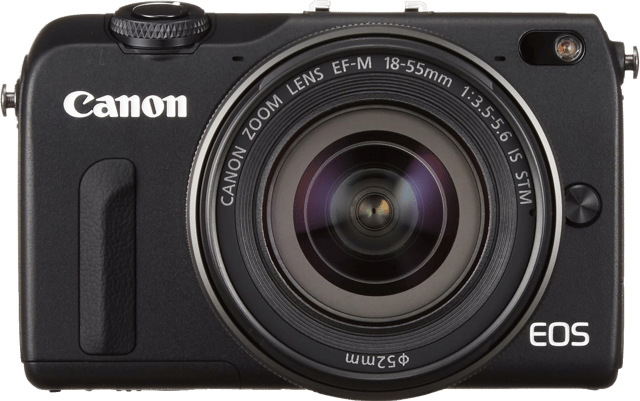
18 MP instead of 24.2 MP · 274 g vs 427 g · 18 MP vs 24.2 MP · Released 2013 vs 2016
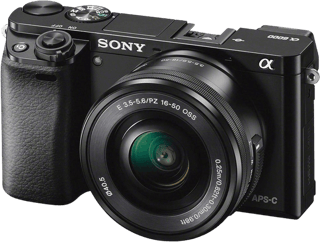
344 g vs 427 g · Released 2014 vs 2016 · Different lens mount: Sony E