Autofocus Option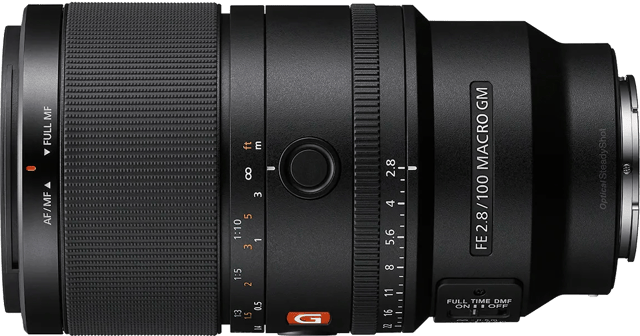
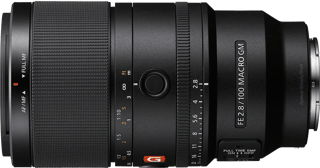
Sony FE 100mm F2.8 Macro GM OSS
100 mm · f/2.8 · 1.4× instead of 2× maximum magnification · Autofocus instead of manual focus
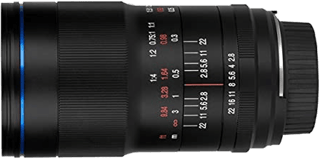
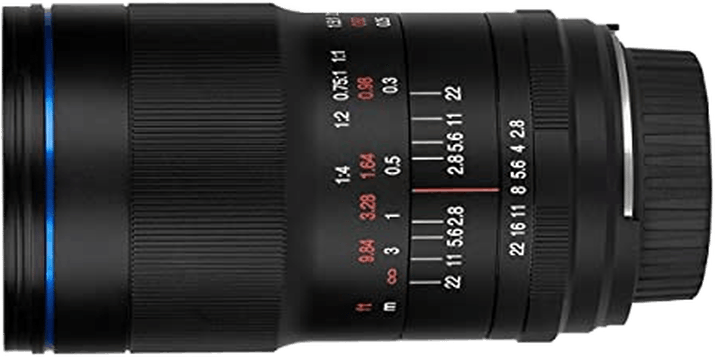
Laowa · 100 mm · f/2.8
This lens score is calculated from published specifications.
General | |
|---|---|
About This LensThis 2018 prime is a manual-focus ultra-macro. Laowa offers it in seven mounts: Canon EF and RF, Nikon F and Z, Sony E, Leica L and Pentax K. Pick the version made for your camera. The Canon EF version covers full frame. Its draw is magnification: 2x for insects, flowers, product details and anything photographed very close. The 100mm focal length keeps a workable gap between lens and subject. The trade-off is control by hand. There is no autofocus, no stabilisation and no sealing, so it suits a slow, deliberate, well-supported way of working more than quick handheld shots. | |
| Brand | Laowa |
Lens Mount ⓘThe lens mount will tell you what type of lens range you can fit onto the camera body. Often the same camera company will have different lens ranges for different cameras. | Sony E |
System ⓘIndicates which camera system the lens is designed to attach to. | Sony E |
Maximum Format ⓘLargest sensor size compatible with the lens. |  Full Frame |
Physical64/100 | |
About the BuildThe lens weighs 1 lb 6.5 oz (638 g). The Canon EF version runs 4.92 in (125 mm) long and 2.83 in (72 mm) wide. A 67mm filter screws directly into the front thread, so standard filters fit without adapters. | |
| Lens Weight | 638 g |
Lens Diameter ⓘWidth of the lens at its widest point | 72 mm |
Lens Length ⓘHow long the lens is from front to back. | 155 mm |
Front Filter Compatible ⓘSome lenses are compatible with front filters, some are compatible with back filters and some are compatible with both. Front filters are usually more convenient to add and remove. |  Yes |
Front Filter Size ⓘDiameter of attachable filters. | 67 mm |
Optics71/100 | |
About the OpticsOrdinary macro lenses stop at 1:1, life size on the sensor. This one reaches 2x, twice life size, so it renders subjects twice as large. Tiny insects, water droplets or jewellery markings need no accessories to reach that scale. The 100mm focal length leaves a fair distance between the front element and the subject. That helps with wary insects. It also helps with lighting. At high magnification the lens can shade the subject, and extra room fits a small flash or reflector. The Canon EF version focuses as close as 0.8 ft (24.7 cm). At ordinary distances, f/2.8 works like a short telephoto: portraits and still-life details get a softly blurred background. The wide aperture also keeps shutter speeds usable in dim rooms. Near 2x, depth of field shrinks to a sliver, and precise turns of the manual ring matter most. Stopping down recovers focus depth but demands more light. Small shifts of the camera often set focus faster than the ring at these distances. The Optics score is 71 out of 100. | |
Focal Range ⓘShortest to longest focal length of the lens (zoom range start - end ) | 100 mm |
Aperture Range ⓘLargest aperture at the lens's shortest focal length to longest focal length (aperture range start - end) | 2.8 |
| Focal Length Angle of View | 24.4° |
Flange Focal Distance ⓘDistance from lens mount to sensor. | 18 mm |
Diaphragm Type ⓘStructure and design of the aperture |  Manual |
Blades ⓘNumber of diaphragm blades in aperture | 13020 |
Zoom Lens ⓘZoom allows you to vary the focal length, change between long shots and close-ups | No |
Closest Focusing Distance ⓘMinimum distance for a subject to be in focus. | 24.7 cm01500 |
Maximum Magnification ⓘLargest size a subject can be reproduced | 2x |
| Autofocus Mode | No |
| Manual Mode |  Yes |
| Manual Focusing Ring |  Yes |
Features0/100 | |
About the FeaturesThe feature set is minimal. There is no image stabilisation, so at 100mm and near 2x, small camera movements show clearly in the frame. Firm support, usually a tripod, is the practical answer for careful work. Handheld work is more forgiving at normal distances. There is no weather sealing. Dew and pollen gather around flowers and insects at dawn, one of the best times for macro. Keep the lens dry and wipe it before packing it away. No fluorine coating is fitted, so the front glass needs extra care when cleaning. | |
Weather Sealing ⓘWeather sealing capabilities will give you more confidence when shooting in unfavourable conditions. | No |
Fluorine Coating ⓘCoating to repel water and oil from lens elements. | No |
| Built In Lens Hood | No |
| Lens Hood Type |  Round |
Teleconverter ⓘA teleconverter (extender) is an extra piece of equipment that fits between the lens and the camera body to enhance magnification | No |
| Image Stabilization | No |
Construction38/100 | |
About the ConstructionAPO in the name stands for apochromatic correction. Two low-dispersion elements help reduce chromatic aberration, where colours focus at slightly different points and leave coloured fringes along high-contrast edges. Macro frames are full of such edges, from insect wings to backlit leaf veins. On the Canon EF version, focusing is internal. The barrel keeps its length while you focus, so nothing extends toward a nearby subject. | |
Elements ⓘLens elements refer to individual pieces of glass within the lens. | 12 |
| Groups | 10 |
Aspherical Elements ⓘThe number of aspherical lens elements which can help correct aberrations such as spherical aberration. | 0 |
Bi Aspherical Elements ⓘElements with two non-spherical surfaces | 0 |
Low Dispersion ⓘElements that reduce chromatic aberration | 2 |
Super Low Dispersion ⓘAdvanced elements further reducing chromatic aberration | 0 |
CA Reduction ⓘBuilt-in features to reduce chromatic aberration | 0 |
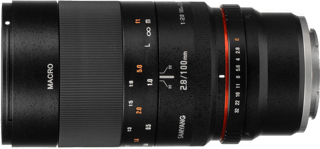
100 mm · f/2.8 · 1.4× instead of 2× maximum magnification · Autofocus instead of manual focus
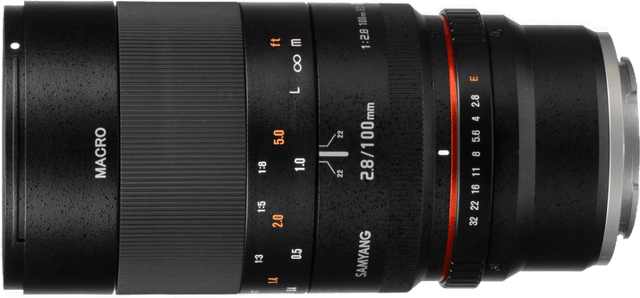
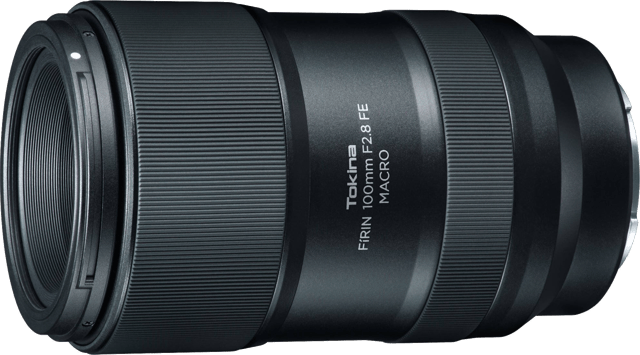
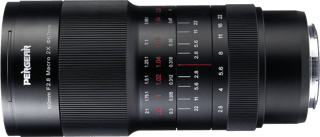
100 mm · f/2.8 · 1× instead of 2× maximum magnification · Autofocus instead of manual focus