
Sigma Contemporary Line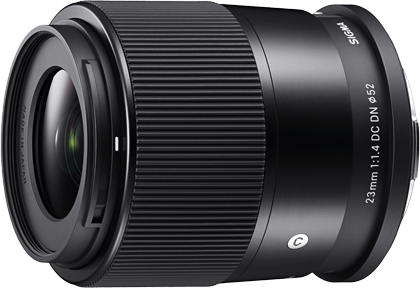
Sigma 23mm F/1.4 DC DN | C
f/1.4 instead of f/1.2
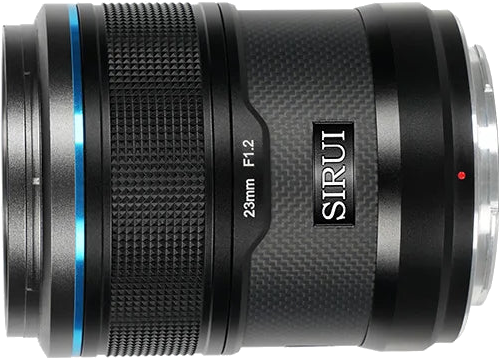
Sirui · 23 mm · f/1.2 · Sniper
This product does not have an overall score yet.
General | |
|---|---|
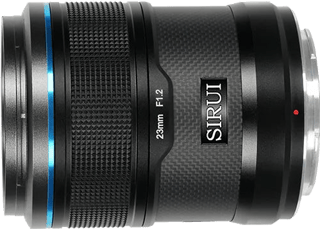
About This LensThe Sirui Sniper 23mm f/1.2 is a fast prime for mirrorless cameras. It comes in Sony E, Fujifilm X and Nikon Z versions, so pick the one made for your system. The Sony E version serves APS-C, where 23mm gives a moderate wide view. That width suits street, travel and everyday photography. The f/1.2 maximum aperture is the main draw for low-light work. In exchange, the lens keeps a short feature list: no stabilisation, no sealing and, on the Sony E version, no front filter thread. It launched in 2023 and remains in production. | |
| Brand | Sirui |
| Release Year | 2023 |
Production Status ⓘCurrent status of lens manufacturing (e.g., in production, discontinued). |  In Production |
Pro Branding ⓘSpecific branding codes used for professional-tier lenses. | Sniper |
Lens Mount ⓘThe lens mount will tell you what type of lens range you can fit onto the camera body. Often the same camera company will have different lens ranges for different cameras. | Sony E |
System ⓘIndicates which camera system the lens is designed to attach to. | Sony E APS-C |
Maximum Format ⓘLargest sensor size compatible with the lens. |  APS-C |
Physical | |
About the BuildThis prime stays compact. The Sony E version weighs 13.4 oz (381 g) and runs 3.64 in (92.5 mm) long. Its 2.83 in (72 mm) body diameter is shared across the family. The Sony E version also takes no front filters, so screw-in polarisers and ND filters cannot attach directly. Check the Fujifilm X and Nikon Z versions separately for filter fit. | |
| Lens Weight | 381 g |
Lens Diameter ⓘWidth of the lens at its widest point | 72 mm |
Lens Length ⓘHow long the lens is from front to back. | 92.5 mm |
Front Filter Compatible ⓘSome lenses are compatible with front filters, some are compatible with back filters and some are compatible with both. Front filters are usually more convenient to add and remove. | No |
Optics | |
About the OpticsAt 23mm, the Sniper frames subjects a step or two away. Street scenes, market stalls, cafe tables and environmental portraits fit naturally. A person and their surroundings share one frame without stepping back. The wide view also helps in tight rooms where walls limit your movement. The f/1.2 aperture does the heavy lifting. In dim restaurants or on evening streets, it lets in enough light to keep ISO low and shutter speeds quick. That matters when your subject walks, talks or gestures, because movement needs a faster shutter than a static scene. Open at f/1.2, depth of field runs very thin. Place focus precisely on the eyes for close portraits, because a slight miss shows clearly. Eleven aperture blades help out-of-focus highlights stay round when you stop down a little. Background lamps and shop lights then render as soft circles rather than hard edges. The lens focuses as close as 1 ft (30 cm). Maximum magnification reaches 0.11x, enough for food plates, shop finds and other table-sized subjects on a travel day. | |
Focal Range ⓘShortest to longest focal length of the lens (zoom range start - end ) | 23 mm |
Aperture Range ⓘLargest aperture at the lens's shortest focal length to longest focal length (aperture range start - end) | 1.2 |
| Focal Length Angle of View | 63.2° |
Flange Focal Distance ⓘDistance from lens mount to sensor. | 18 mm |
Diaphragm Type ⓘStructure and design of the aperture |  Automatic |
Blades ⓘNumber of diaphragm blades in aperture | 11020 |
Zoom Lens ⓘZoom allows you to vary the focal length, change between long shots and close-ups | No |
Closest Focusing Distance ⓘMinimum distance for a subject to be in focus. | 30 cm01500 |
Maximum Magnification ⓘLargest size a subject can be reproduced | 0.11x |
| Autofocus Mode |  Yes |
| Manual Mode | No |
| Manual Focusing Ring |  Yes |
Features | |
About the FeaturesThe Sniper carries no image stabilisation, so handheld steadiness rests on shutter speed alone. The f/1.2 aperture offsets much of that loss in everyday light. Very dim scenes and deliberate slow shutters are where the limit still shows. There is no weather sealing either. Rain and blowing dust call for a cover or careful handling on exposed days. The front element also lacks a fluorine coating, so splashes and fingermarks need more frequent wiping. A stabilised camera body can close some of that gap, because sensor shift steadies the frame even when the lens does not. Check what your own body offers before ruling the Sniper out for evening work. | |
Weather Sealing ⓘWeather sealing capabilities will give you more confidence when shooting in unfavourable conditions. | No |
Fluorine Coating ⓘCoating to repel water and oil from lens elements. | No |
| Built In Lens Hood | No |
| Lens Hood Type |  Dome |
Teleconverter ⓘA teleconverter (extender) is an extra piece of equipment that fits between the lens and the camera body to enhance magnification | No |
| Image Stabilization | No |
Construction | |
About the ConstructionThe optical path holds 12 elements in 11 groups, a straightforward layout for a compact fast prime. The design lists no bi-aspherical or low-dispersion glass. That simple build fits a lens meant to stay on the camera through a day of street shooting. | |
Elements ⓘLens elements refer to individual pieces of glass within the lens. | 12 |
| Groups | 11 |
Bi Aspherical Elements ⓘElements with two non-spherical surfaces | 0 |
Low Dispersion ⓘElements that reduce chromatic aberration | 0 |
Super Low Dispersion ⓘAdvanced elements further reducing chromatic aberration | 0 |
CA Reduction ⓘBuilt-in features to reduce chromatic aberration | 0 |
Internal Focusing ⓘInternal Focusing means that the lens does not change in size during focusing, and the front element does not rotate. | No |
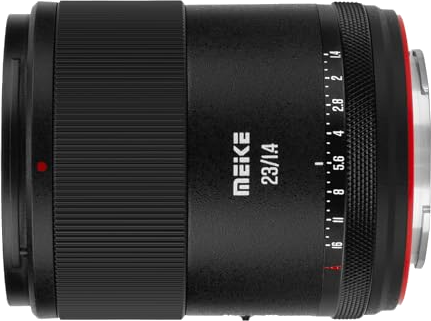
f/1.4 instead of f/1.2
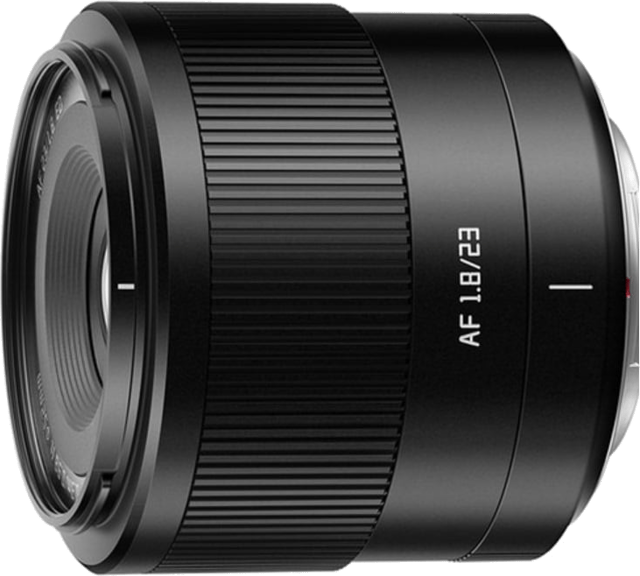
f/1.8 instead of f/1.2
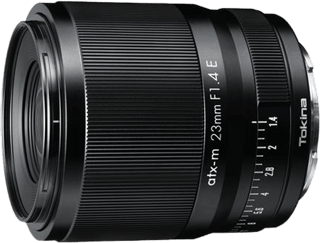
0.049× vs 0.11× close-up reach · 276 g vs 381 g
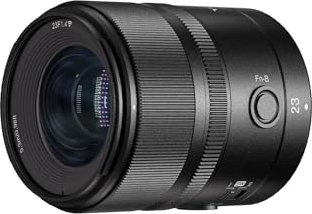
Closest focus 40 cm vs 30 cm
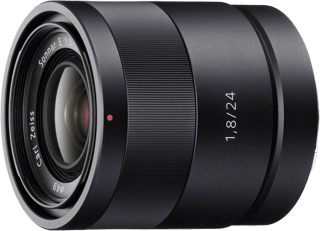
24 mm vs 23 mm · f/1.8 vs f/1.2 · 0.25× vs 0.11× close-up reach