
Closest Match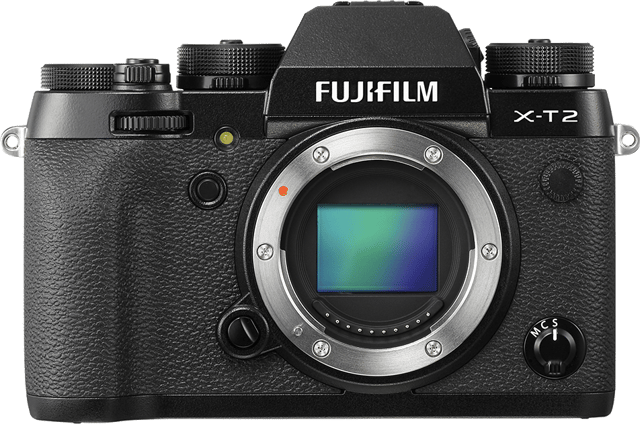
Fujifilm X-T2
24 MP instead of 26 MP · Released 2016 vs 2018
Fujifilm · Mirrorless · 26 MP · APS-C · 4K video
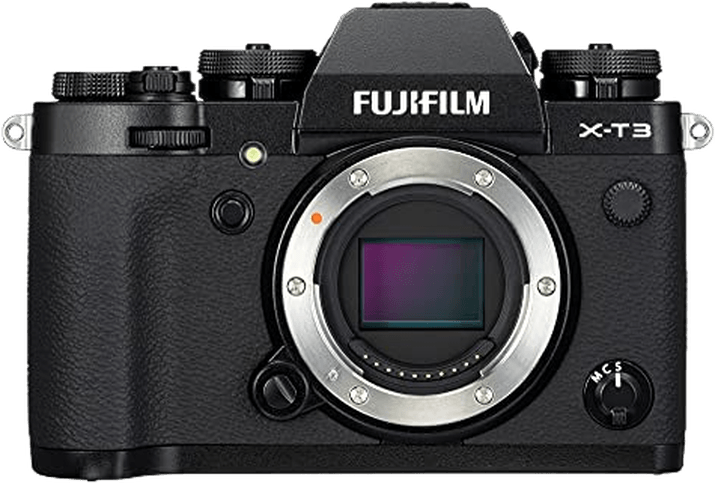
This camera score is calculated from published specifications.
General | |
|---|---|
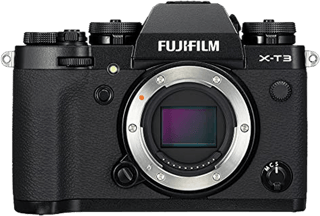
About This CameraThe Fujifilm X-T3 is a 2018 mirrorless camera built around a 26MP APS-C sensor and the Fujifilm X mount. It measures 133 x 93 x 59 mm and weighs 539g. It suits anyone mixing stills and motion. Burst shooting reaches 30 fps, video records up to 4K, and the 3.69-million-dot electronic viewfinder gives a detailed preview of both. Day to day, the weather sealing helps in dusty or damp conditions, while the 390-shot battery rating is worth pairing with a spare battery on longer outings. | |
| Brand | Fujifilm |
| Model | X-T3 |
Released ⓘRefers to the year this camera was officially made available for sale. | 2018 |
Announcement date ⓘRefers to the date the manufacturer publicly announced the upcoming release and general specs of this camera. | September 6, 2018 |
| Camera type |  Mirrorless |
| Camera size | 133 x 93 x 59 mm |
| Camera weight | 539 g |
Optics63/100 | |
About the OpticsThe APS-C CMOS sensor pairs with the X-Processor 4, giving the X-T3 resolution that leaves room for prints and cropping. Lenses attach through the Fujifilm X mount. Autofocus offers 425 points, and the burst rate tops out at 30 fps for fast action. The ISO range spans 160 to 12800, and the shutter reaches 1/8000s, useful for wide apertures in bright light. Handheld stability depends on the lens. There is no sensor-shift stabilisation in the body, so slower shutter speeds need a steady grip, a faster shutter or an optically stabilised X-mount lens. Stabilised lenses remain an option. The Optics score of 63 is good, placing the camera around the middle of our database for optics. Resolution, autofocus and burst speed hold it up; the missing stabilisation is the notable gap for handheld work. | |
Megapixels ⓘThe higher the number of megapixels, the more detail the cameras sensor can capture. | 26 MP050 |
Image resolution ⓘImage resolution is measured in pixels and megapixels, width by height. The higher the number, the higher its resolution. | 6240 x 4160 |
Sensor type ⓘThe camera sensor captures light and records the image. Sensors vary in physical size, the number of pixels, and quality. | CMOS |
Sensor size ⓘThe sensor size contributes to the overall quality as well as the dynamic and tonal range a camera can capture. As a rule of thumb, the more surface there is to read the light, the more information it will capture. | 23.5 x 15.6 |
Sensor format ⓘRefers to the most commonly used sensor sizes. |  APS-C |
Continuous shooting ⓘThe number of sequential frames per second the camera can write to the memory card when shooting in burst or continuous mode. | 30 fps045 |
Lens mount ⓘThe lens mount will tell you what type of lens range you can fit onto the camera body. Often the same camera company will have different lens ranges for different cameras. | Fujifilm X |
Image processor ⓘThe image processor in the camera converts the information collected on the sensor for digital storage on the memory card. | X-Processor 4 |
Aspect ratio ⓘThe aspect ratio refers to the proportional difference between width and height. The most popular aspect ratios are 3:2 and 4:3. |  3:2 |
Min ISO ⓘRefers to the lowest native (or 'base') ISO setting. Lower ISO are less sensitive to light but make a cleaner image. | 16030200 |
Max ISO ⓘRefers to the highest native (or 'base') ISO setting. Higher ISO is necessary for low-light situations or night photography, but higher ISOs often introduce grain or noise. | 128003003280000 |
Min ISO (expanded) ⓘExpanded (or extended) ISO is a digitally enhanced feature available on some cameras. It allows you to push beyond the native ISO range if necessary. | 8030200 |
Max ISO (expanded) ⓘExpanded (or extended) ISO is a digitally enhanced feature available on some cameras. It allows you to push beyond the native ISO range if necessary. | 512003003280000 |
Minimum shutter speed ⓘThe minimum shutter speed will tell you the longest exposure your camera can take without using an external accessory. | 3044080 |
Max shutter speed ⓘThe maximum shutter speed tells you the length inside 1 second the camera will capture. These can sometimes be extended with accessories such as extra external batteries. | 800080032000 |
Autofocus points ⓘAutofocus points show where the camera is focusing graphically as squares or brackets in Live View or on an electronic viewfinder. These points are also used for light meter readings. | 4250300 |
In-body stabilisation ⓘIn-body Stabilization means the camera has a certain technology embedded that counteracts camera shake. | No |
Viewfinder type ⓘThe viewfinder type is either electronic or optical. Electronic viewfinders will have a small screen in the viewfinder. Optical viewfinders will use prisms and mirrors to look through the lens. | Electronic |
| Viewfinder dots | 369000009900000 |
Video91/100 | |
About the VideoVideo is where the X-T3 earns its strongest score, 91 out of 100. It records up to 4K, and frame rates go up to 120 fps, which gives you slow-motion material straight from the camera. Fast action, flowing water and small gestures all benefit from that frame rate headroom. Footage records as MPEG-4 or MOV files onto the camera's SD, SDHC or SDXC cards, so clips and stills share the same storage. The built-in timelapse function handles interval shooting inside the camera, so you can leave a separate intervalometer at home. Skies, traffic or a sunset compressed into seconds are typical uses. One planning point for filmmakers: with no sensor-shift stabilisation in the body, handheld footage leans on an optically stabilised lens or a gimbal for smooth results. A tripod remains the reliable choice for locked-off shots. | |
Video ⓘIndicates if this camera is capable of recording video. |  Yes |
Max video resolution ⓘThe best resolution this camera can capture video in. Modern cameras can capture up to 8K video. |  4K |
Max video format ⓘVideo resolution measured by the greatest number of pixels possible in each frame, width by height. A higher resolution means more detail or clarity in your video. | 4096 x 2160 |
Max video frame rate ⓘHow many frames per second your video will capture. Most cameras have options for multiple frame rates, depending on the resolution you shoot in. For a general video, 24p or 30p is the standard, but more serious filmmakers may need a higher frame rate for creative effect. | 120 fps |
Timelapse built in ⓘA built in time-lapse mode will allow continuous shooting throughout a prolonged period of time to be compressed into a sped up video. |  Yes |
Video file format ⓘDifferent cameras can record in various video file formats. The File format you record in can impact how you edit and use the files. | MPEG-4, MOV |
Features83/100 | |
About the FeaturesThe 3-inch TFT screen offers 1.04 million dots, and touch input is supported for the display. Live view is also available for composing on the screen. The panel does not swing out to the side. The body is weather sealed, which helps in dusty or damp conditions. There is no built-in flash, so dim interiors call for an external flash, which the camera accepts. Wi-Fi and Bluetooth are built in for wireless connection. GPS is absent, so location data, if you need it, would have to come from your phone or another separate device. That combination gives the Features section a very good score of 83. Most contributing tools earn full marks, with small deductions for screen size and screen dots. | |
Builtin flash ⓘA built-in flash will often be positioned right above the lens. This will automatically pop up when you activate it. | No |
External flash ⓘExternal flashes are often connected through a hot shoe at the top of a camera, or a cable at the side of the camera. |  Yes |
GPS ⓘGPS features in a camera will include location metadata to each of your photographs. | No |
Weather sealing ⓘWeather sealing capabilities will give you more confidence when shooting in unfavourable conditions. |  Yes |
| Screen type | TFT LCD |
Touch screen ⓘTouchscreen allows you to change camera settings and access menus with a swipe of your finger, instead of using buttons. |  Yes |
| Screen size | 3" |
Screen dots ⓘScreen dots indicate the resolution of the LCD screen by including each sub pixel. | 10400001150001500000 |
Flip screen ⓘA flip screen (or articulating screen) is a second screen which can flip out from the side or top of the camera. This rotating screen allows you more freedom to take photos at different angles. | No |
Live view ⓘLive View feature allows you to see a continuous live video of what is being seen through your lens. |  Yes |
Wi-Fi ⓘBuilt-in Wi-Fi allows you to connect your camera and share images wirelessly. |  Yes |
Bluetooth ⓘBluetooth capabilities allow you wireless control of your camera with other external devices. |  Yes |
Storage & Battery68/100 | |
About the Storage & BatteryTwo card slots (SD, SDHC and SDXC) give flexible file handling. You can carry more capacity, or keep two jobs on separate cards, without juggling a single card mid-shoot. The NP-W126S battery is rated at 390 shots. A rating is a guide rather than a guarantee, so a spare battery is sensible insurance for weddings, travel or long days out. USB charging lets you top the battery up between shoots. It is a travel convenience, though you should not assume it works with every power bank or while the camera is running. Those trade-offs give Storage & Battery a score of 68, good overall. The twin slots and USB charging pull it up; the endurance rating is the main practical limit, and it is easy to plan around. | |
| Memory card | SD / SDHC / SDXC |
| Dual memory card slots |  Yes |
| Battery type | NP-W126S |
Battery life ⓘApproximately how long this cameras battery will last measured by how many photographs you will be able to take. | 390 shots1505000 |
| USB charging |  Yes |
24 MP instead of 26 MP · Released 2016 vs 2018
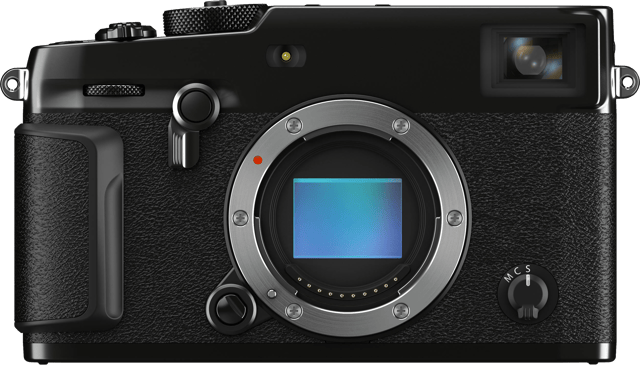
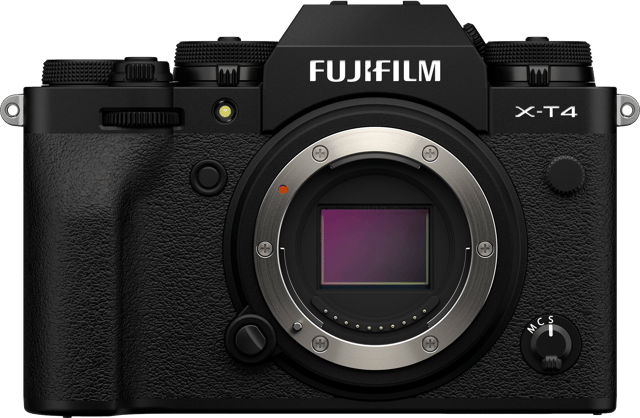
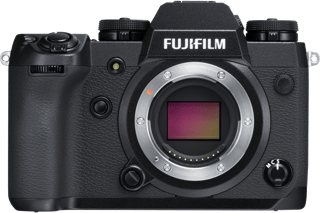
607 g vs 539 g · Adds in-body stabilization · Released 2020 vs 2018
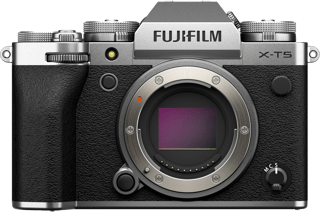
40.2 MP vs 26 MP · 6K vs 4K video · Adds in-body stabilization
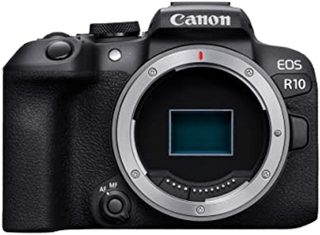
429 g vs 539 g · Single card slot instead of dual · Released 2022 vs 2018