Product specifications and highlights restored from our saved catalogue records. The original article date and recommendations are unchanged.
Panasonic and Olympus brought out the first Micro Four Thirds cameras in 2008. The idea was that they’d be based on and compatible with the existing Four Thirds camera system. They’d use an 18 x 13.5 mm sensor—but be mirrorless.
The advantage of the new design was no more need for a mirror box and pentaprism. It meant the cameras and lenses could be much smaller and lighter. Plus, the distance from the lens mount to the sensor (“flange back distance”) would be halved from 40 mm to 20 mm. And the diameter of the lens mount would be 6 mm smaller.
What does that all mean? Well, you get all the benefits of a mirrorless camera. But they’re smaller, lighter, and much more affordable than a full frame camera model. And the same goes for their lenses!
What Are the Best Micro Four Thirds Cameras to Buy?
Olympus and Panasonic don’t make all of the Micro Four Thirds interchangeable lens cameras and lenses. But all the ones on this list have been. That reflects their historical importance in launching the format and the investment they’ve made over the last few years.
These two manufacturers tend to shadow each other. So the specifications of their Micro Four Thirds systems are often very similar. But there are subtle differences. Here’s a brief list before we delve into specifics.
7 Best Micro Four Thirds Cameras to Buy
We’ve tried to cover the essential differences in our award badges, the lists of pros and cons, and the detailed reviews. So here’s our list of the best Micro Four Thirds cameras out there!
Olympus OM-D E-M1 Mark III
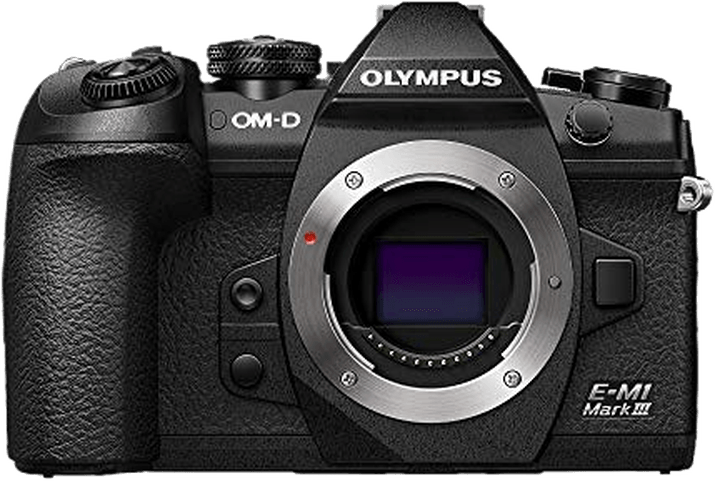
- Resolution
- 20 MP
- Sensor
- Micro Four Thirds
- Video
- 4K
- Weight
- 580 g
Highlights
- Excellent image stabilization
- Great face and eye detection
- Fantastic JPEG quality
- Good buffer depth
- Solid camera build
Trade-Offs
- Relatively low sensor resolution
- Not the best when pushing the high ISO range
- Unreliable subject tracking
- No vehicle and train recognition AF modes like the E-M1X
- Complicated menus
- Relatively short 420-shot battery life
Olympus OM-D E-M1X
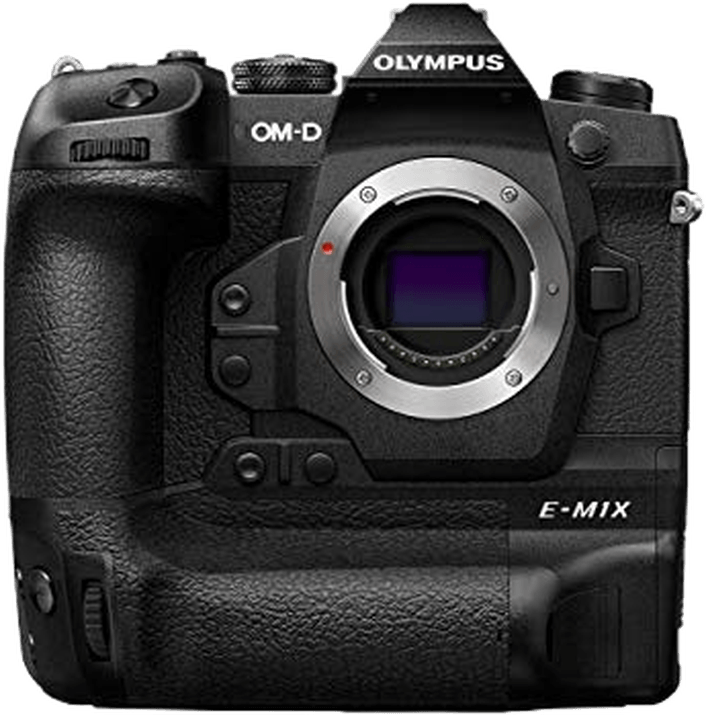
- Resolution
- 20 MP
- Sensor
- Micro Four Thirds
- Video
- 4K
- Weight
- 997 g
Highlights
- Impressive autofocus
- Fantastic subject tracking
- Great 18 fps frame rate
- Good dynamic range
- Weather-sealed body
Trade-Offs
- Expensive
- Sensor doesn't match up to many close competitors
- Electronic shutter might lead to rolling shutter effects and banding
- Large, heavy, hard to handle body
- Motion artifacts with Cinema 4K at 24p
Panasonic Lumix DC-G9
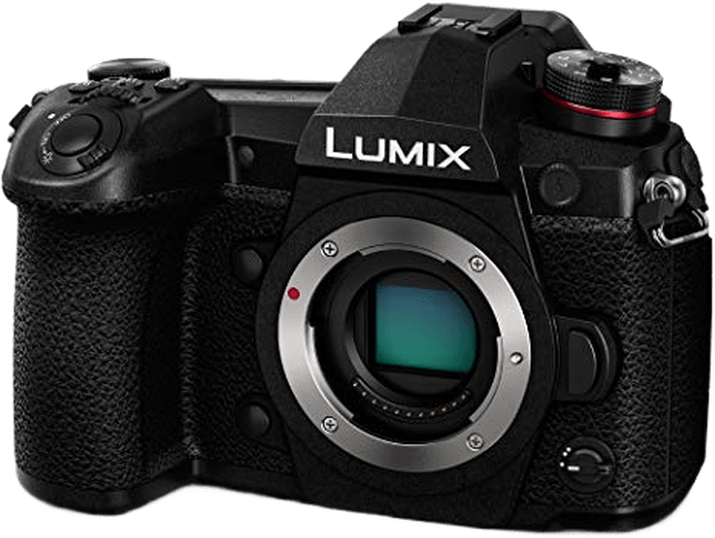
- Resolution
- 20 MP
- Sensor
- Micro Four Thirds
- Video
- 4K
- Weight
- 658 g
Highlights
- Excellent 20 fps frame rate
- 80 MP High Res mode
- Full weather-sealing
- High-resolution EVF
- Lots of connectivity ports
Trade-Offs
- Contrast-detection autofocus wobbles in electronic viewfinder
- Unresponsive AF joystick can't make diagonal movements
- Your nose can accidentally activate the touchpad AF
- Rolling shutter effects visible at 20 fps
Panasonic Lumix GH5S
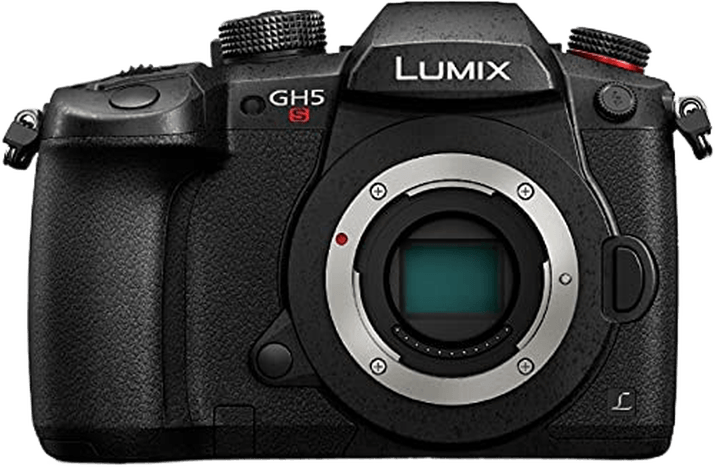
- Resolution
- 10 MP
- Sensor
- Micro Four Thirds
- Video
- 4K
- Weight
- 660 g
Highlights
- Improved noise reduction
- Excellent dynamic range
- Oversized sensor for uncropped ratios
- Fantastic video options
- Fast readouts
Trade-Offs
- Still-photo performance is compromised by video emphasis
- Lack of in-body image stabilization means you need a gimbal or tripod
- Problematic focus hunting with video
- Requires a higher-end V90 card, not just a V60
Olympus OM-D E-M1 Mark III
- Resolution
- 20 MP
- Sensor
- Micro Four Thirds
- Video
- 4K
- Weight
- 580 g
Highlights
- Excellent image stabilization
- Great face and eye detection
- Fantastic JPEG quality
- Good buffer depth
- Solid camera build
Trade-Offs
- Relatively low sensor resolution
- Not the best when pushing the high ISO range
- Unreliable subject tracking
- No vehicle and train recognition AF modes like the E-M1X
- Complicated menus
- Relatively short 420-shot battery life
Olympus OM-D E-M10 Mark IV
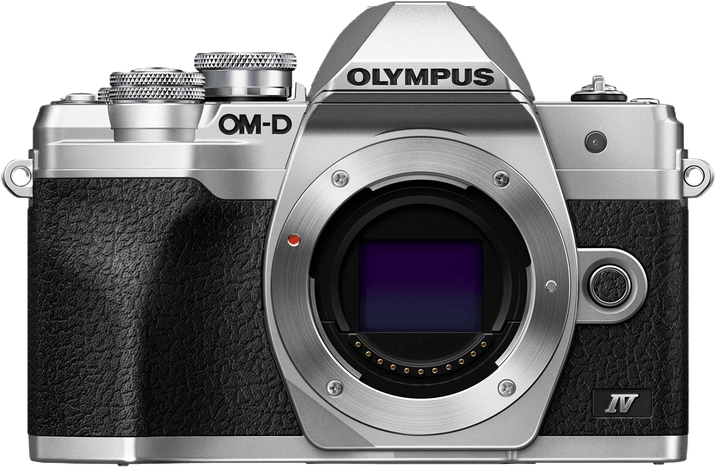
- Resolution
- 20 MP
- Sensor
- Micro Four Thirds
- Video
- 4K
- Weight
- 383 g
Highlights
- Excellent for beginners
- Affordable entry-level option
- Lots of compatible lenses
- Light and compact
- Flip screen for selfies
Trade-Offs
- Small sensor
- AF has slow continuous shooting
- Contrast-detection AF system is slower than phase-detection systems
- No microphone and headphone jacks
- Plastic body and isn't weather sealed
Olympus PEN-F
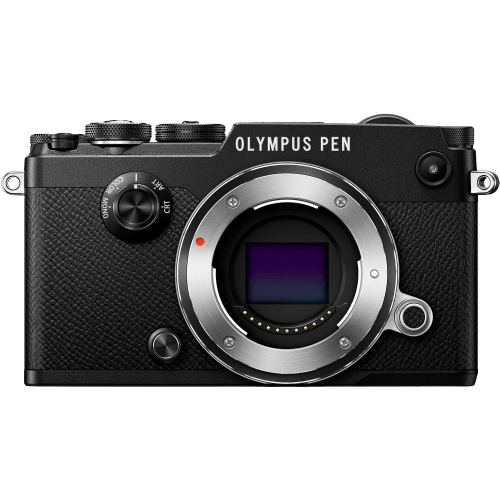
- Resolution
- 20.3 MP
- Sensor
- Micro Four Thirds
- Video
- Full HD
- Weight
- 427 g
Highlights
- Range-finder controls
- Easy to carry around
- Articulating touchscreen
- Solid foundation of features
- Stylish design
Trade-Offs
- No phase-detect autofocus for capturing action
- Complex Olympus menus
- Awkward when using zoom lenses
- No weather-sealing
- Only a 330-shot battery life
Our Verdict
The E-M1 Mark III and the E-M1X are the best Olympus offers. The G9 is Panasonic’s flagship product. But there are niches within niches. So the GH5S might suit videographers better, and the Olympus E-M5 Mark III is best for travel.
Finally, Olympus designed the E-M10 as an entry-level Micro Four Thirds camera, whereas the Pen-F is more of a stylish accessory for street photographers.
If you’re considering buying one, the best Micro Four Thirds camera will probably come from Olympus or Panasonic. They offer stylish, lightweight models with excellent image quality and 4K Ultra HD footage.
Micro Four Thirds Camera FAQ
If you’re still unsure whether to take the plunge, read our Micro Four Thirds frequently asked questions below.
Is It Worth Buying a Micro 4/3 Camera?
If you’re looking for an affordable, lightweight, versatile camera that can shoot 4K video and stills, then a Micro Four Thirds camera is an option. It might not be your only camera or primary camera, but it will do the job.
Buying a Micro Four Thirds is a cheaper way to test the waters if you have a smartphone or compact camera. And you can always upgrade to an APS-C or full frame camera model later.
Most Micro Four Thirds cameras have touchscreen functionality and plenty of dedicated dials. So it’s not that difficult to learn how to operate. They also tend to be quite stylish with a retro vibe if you like that, particularly the rangefinder-style models.

What Companies Make Micro 4/3 Cameras?
It’s not just Panasonic and Olympus that make Micro Four Thirds cameras. Several other companies do, including Blackmagic, DJI, JVC, Kodak, Sharp, and Xiaomi. Plus, there are quite a few third-party lens manufacturers:
- 7Artisans
- Cosina Voigtländer
- Kowa
- Laowa
- Lensbaby
- Mitakon
- Samyang
- Sigma
- SLR Magic
- Tamron
- Tokina
- TTArtisan
- Venus Optics
- Veydra
- Yongnuo
- Zonlai
What Photographers Use a Micro 4/3 Camera?
Micro Four Thirds cameras are ideal for travel, street, or photojournalists—or hikers who don’t fancy lugging around a heavy DSLR and a ton of glass!
Admittedly, they don’t have the resolution for wedding, portrait, or landscape photography. And the contrast-detection autofocus systems are not usually good enough for professional sports photographers to capture moving subjects.
But that’s not the target market for a Micro Four Thirds camera. So let’s not criticize it for not being a professional camera. It was never designed to be that. Instead, we should celebrate it as a stylish, low-profile camera for travelers and vloggers.
Sensor Sizes of Micro Four Thirds vs. APS-C Sensor
When it comes to sensors, bigger is usually better. Because of the extra light collection, you get improved noise reduction, low-light performance, and dynamic range.
To compare these two types of sensors, we first need to know how big they are. Full frame cameras have a 36x24mm (43.3mm diagonal) sensor. But APS-C sensors are smaller, and Micro Four Thirds sensors are even smaller!
- APS-C sensors are usually 22.5 x 15 mm (27 mm diagonal) for Canon and 24 x 16 mm (28.8 mm diagonal) for other manufacturers.
- The Micro Four Thirds sensor is 18 x 13.5 mm (22.5 mm diagonal), with an imaging area of 17.3 x 13.0 mm (21.63 mm diagonal). The image size is very similar to that of 110 film. Micro Four Thirds refers to the 4/3-inch diameter of the old vacuum image-sensing video camera tube necessary to create the Micro Four Thirds imaging area.

Aspect Ratios of Micro Four Thirds vs. APS-C Sensor
The aspect ratio also differs between the different formats. APS-C DSLRs and mirrorless cameras generally have a 3:2 aspect ratio, but Micro Four Thirds cameras use a 4:3 ratio.
Other ratios are often available. But they’ll be cropped versions of that primary image area.
The Panasonic Lumix GH5S is unusual in having an oversized sensor. That means the other ratios don’t have to be cropped.
Crop Factors of Micro Four Thirds vs. APS-C Sensor
The standard way of comparing sensors is to compare their crop factors. It is simply the diagonal length of a full frame (35mm) sensor divided by the diagonal length of the other sensor. Here are the crop factors for the sensors we’re talking about:
- Micro Four Thirds: 2.0x
- APS-C: Canon is 1.6x, and other manufacturers like Nikon’s DX-format are 1.5x
Note that crop factors compare the angle of view rather than the imaging area. That makes them more helpful in working out the full frame equivalent focal length of a lens than how much actual light will be hitting an APS-C or Micro Four Thirds sensor.
For example, if you wanted the same angle of view as a 35 mm lens on a full frame camera, you must divide by the relevant crop factor. That means it would be the following:
- 35 ÷ 1.6 = 22 mm with a Canon APS-C camera
- 35 ÷ 1.5 = 23 mm with any other APS-C camera
- 35 ÷ 2 = 17 mm with a Micro Four Thirds camera
Sensor Strengths of Micro Four Thirds vs. APS-C Sensor
The light-gathering capability of sensors is critical. To find out about that, we need to look at the relative areas of the different sensors:
- Micro Four Thirds: 243mm²
- APS-C: Canon 337.5mm², other manufacturers (like Nikon’s DX-format) 384mm²
The Canon APS-C sensor is 61% smaller than a full frame sensor in terms of percentage. Other APS-C sensors are 56% smaller.
Micro Four Thirds sensors are 72% smaller than full frame sensors, 28% smaller than Canon APS-C sensors, and 37% smaller than other APS-C sensors. But they’re still around nine times larger than the 1/2.5-inch sensors used in compact cameras.

Is a Micro Four Thirds or APS-C Sensor Better?
Putting all the above together, we see that Micro Four Thirds sensors are smaller than APS-C sensors. That means they won’t capture as much light and will have worse low-light performance and noise reduction.
You could look at crop factor as an “advantage” of having a Micro Four Thirds system because you can get the same reach with a shorter focal length. It means the lens will be smaller, lighter, and less expensive. But you’ll be using correspondingly fewer pixels.
All other things being equal, the smaller sensor size also means fewer pixels and thus less resolution. It also depends on a few other factors, such as the architecture of the sensor (e.g., stacked CMOS) and whether it’s back-illuminated (BSI). But you can’t trump physics!