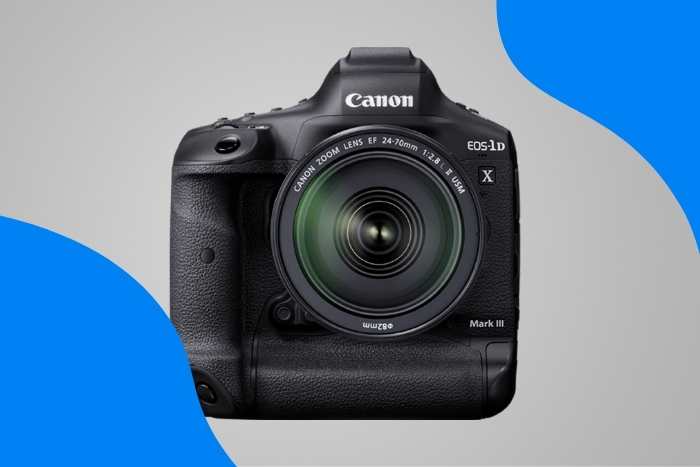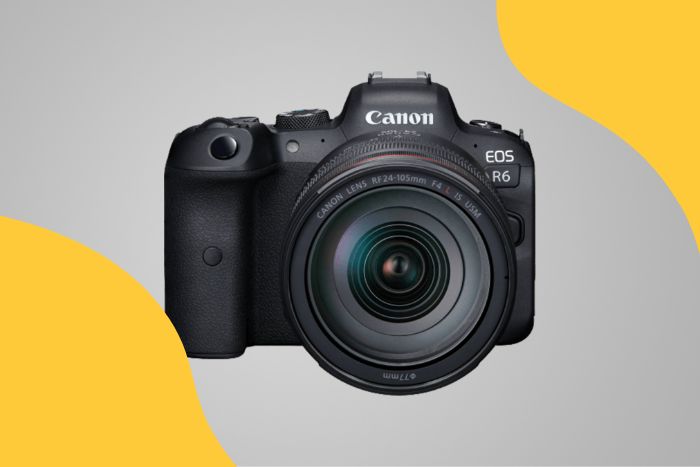
Product specifications and highlights restored from our saved catalogue records. The original article date and recommendations are unchanged.
That’s why, after considerable research, I put together this broad list of the best 4K cameras. No matter what type of camera system you want, whether it’s a 4K DSLR camera, a 4K mirrorless camera, or even a drone, you will find all the top options here.
What is the Best 4K Camera for Video?
Before we go through our 16 best 4K cameras in more detail, here’s an overview of the top 10:
- Sony a7S III
- Panasonic Lumix DC-GH5
- Canon EOS R5 C
- Fujifilm X-T4
- Sony a6100
- Canon EOS 5D Mark IV
- Nikon D850
- Canon EOS Rebel SL3 / 250D
- Sony Cyber-shot RX100 VI
- Fujifilm X100V
16 Best 4K Cameras in Detail
Below are 16 of the top 4K cameras. We’ve split the list into three sections, best 4K mirrorless cameras, best 4K DSLR cameras, and best 4K speciality cameras. Keep reading to find out the pros and cons of each camera and which one is the best fit for you!
Sony a7S III
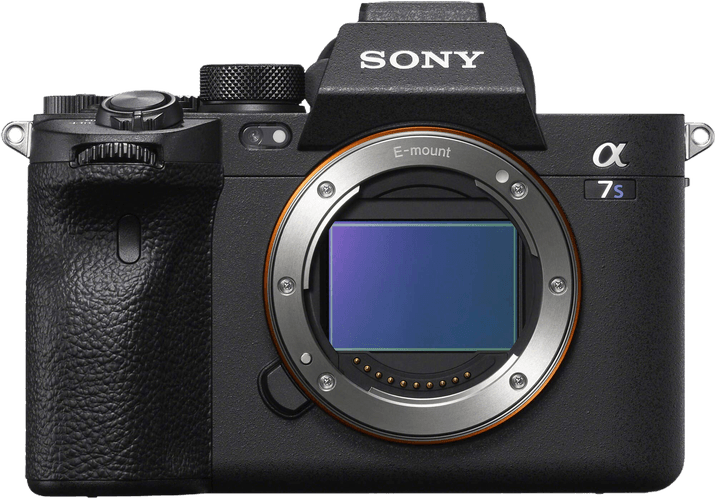
- Resolution
- 12.1 MP
- Sensor
- Full Frame
- Video
- 4K
- Weight
- 699 g
Highlights
- Stunning 4K video quality
- No recording time limit
- Industry-leading autofocus
- Weather-sealed body
Trade-Offs
- Pricey
- Low 12.2 MP resolution for photos
- Poor battery performance
- No 8K video
Panasonic Lumix DC-GH6
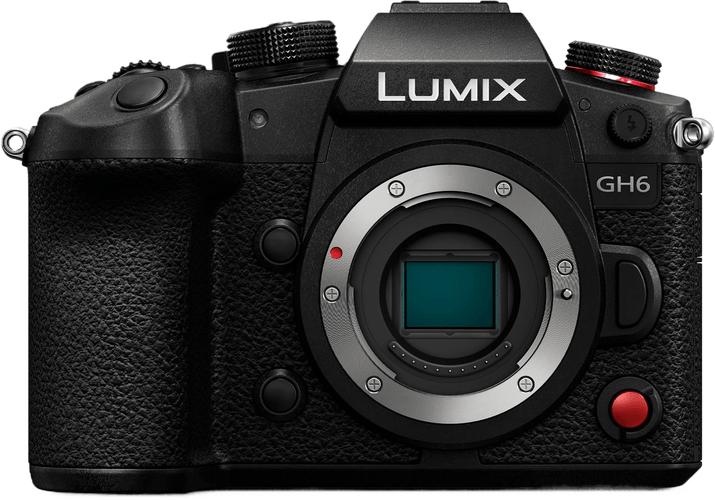
- Resolution
- 25 MP
- Sensor
- Micro Four Thirds
- Video
- 6K
- Weight
- 823 g
Highlights
- Records video at up to 6K
- 120fps capture enables slow motion
- In-body stabilisation reduces camera shake
- Dual card slots provide flexible storage
- Flipping touchscreen eases high and low angles
Trade-Offs
- Fairly expensive camera
- AF system lags behind other brands
- Mediocre low-light performance
- Large and heavy body isn't always comfortable to handle
- Battery life could be better
Canon EOS R5 C
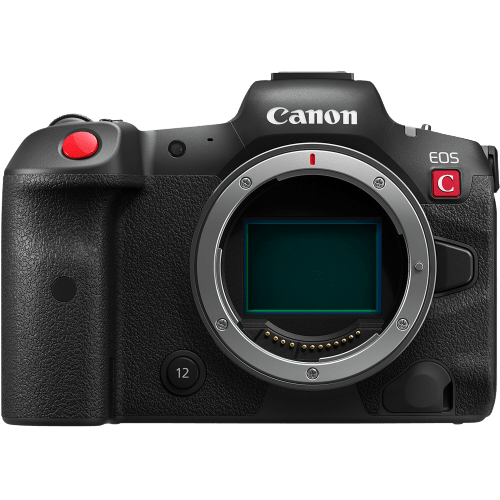
- Resolution
- 45 MP
- Sensor
- Full Frame
- Video
- 8K
- Weight
- 770 g
Highlights
- 8K, 6K, and 4K video formats
- Cinema RAW Light video options
- A built-in fan that prevents overheating
Trade-Offs
- Expensive
- Limited native lens compatibility
- Continuous AF only covers 80% of the image sensor in video mode
- Bigger than the original EOS R5
- Must use an external battery source for the fastest shooting speeds
Fujifilm X-T4
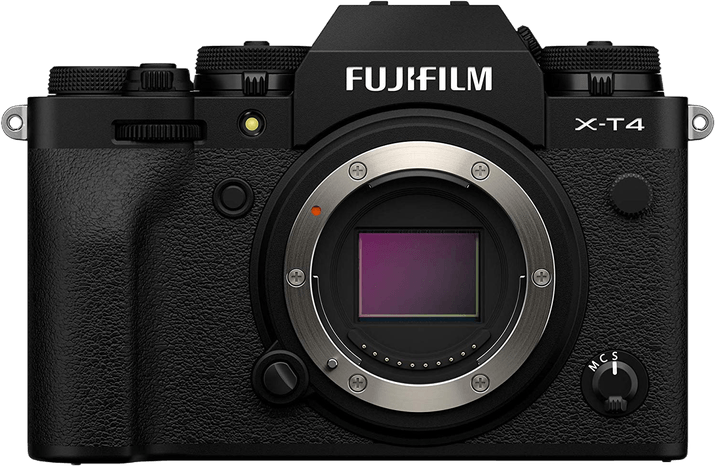
- Resolution
- 26 MP
- Sensor
- APS-C
- Video
- 4K
- Weight
- 607 g
Highlights
- Superb video and image quality
- Separate photo and video menus speed up workflow
- Fast continuous shooting speed
- Extensive customization options
Trade-Offs
- Expensive for an APS-C camera
- Autofocus speed and accuracy depends on the lens and the subject
- Unreliable face and eye detection
- No external battery charger provided
- Limited video recording time
- No subject tracking in video mode
Sony a6100
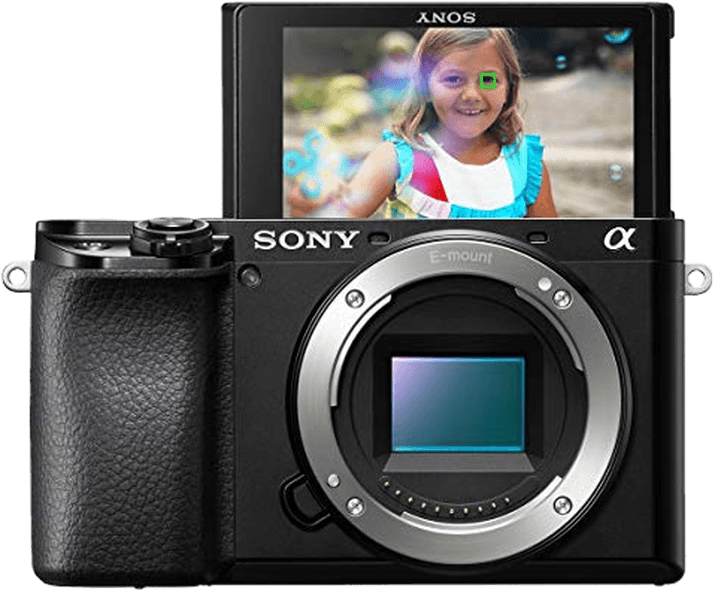
- Resolution
- 24 MP
- Sensor
- APS-C
- Video
- 4K
- Weight
- 396 g
Highlights
- Unbeatable price Fast and responsive autofocus
- Lightweight and compact design
- Easy to use controls
- Good 4K video quality
Trade-Offs
- No in-body stabilization
- Low 1/4000 s max shutter speed
- No GPS
- Not weather-sealed
- No headphone jack
Canon EOS 5D Mark IV
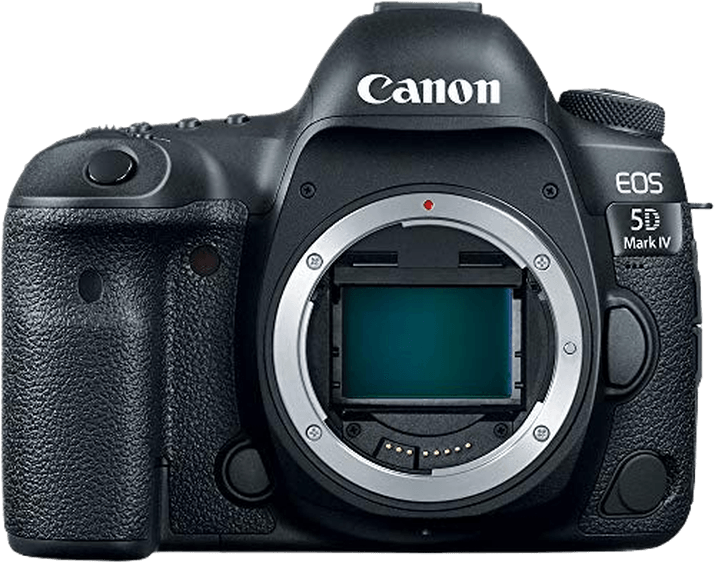
- Resolution
- 30.4 MP
- Sensor
- Full Frame
- Video
- 4K
- Weight
- 890 g
Highlights
- Professional video controls
- Lighting fast video autofocus
- In-camera image stabilization
- Bright and bold Canon colors
Trade-Offs
- Unreliable, imprecise subject tracking
- Limited dynamic range
- No in-body stabilization
- No bluetooth
- 64x crop factor with 4K video
Nikon D850
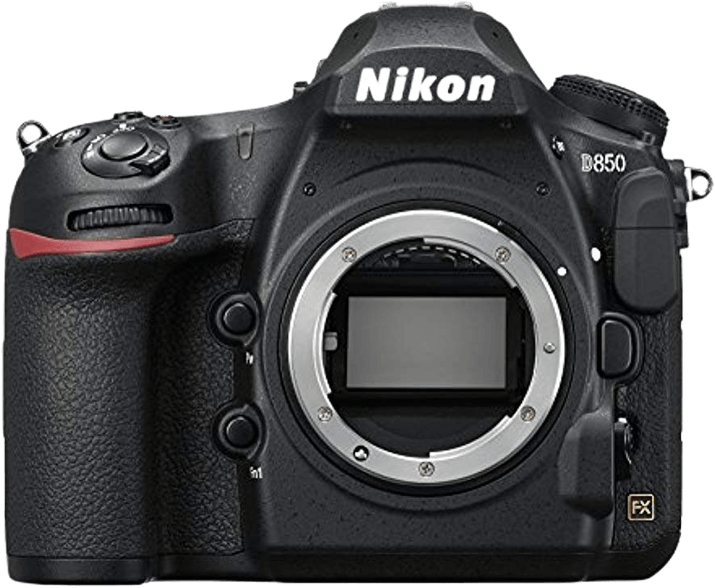
- Resolution
- 45.7 MP
- Sensor
- Full Frame
- Video
- 4K
- Weight
- 1005 g
Highlights
- Attractive price
- Crystal clear, uncropped 4K video
- 4K and 8K time-lapse modes
- High-resolution stills
Trade-Offs
- No customizable shooting presets
- Slow autofocus in Live View
- Needs an expensive XQD card
- Rolling shutter noticeable in 4K video
- Slow 7 fps or 9 fps with an expensive battery grip
Canon EOS Rebel SL3 / 250D
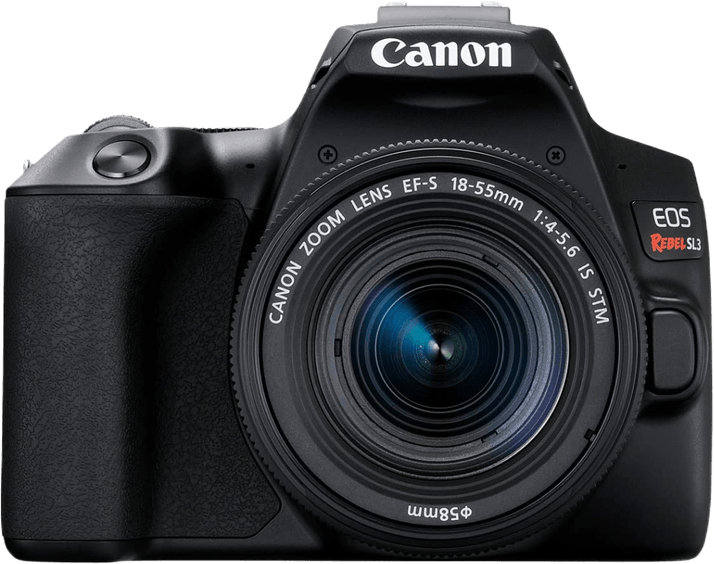
- Resolution
- 24 MP
- Sensor
- APS-C
- Video
- 4K
- Weight
- 449 g
Highlights
- Excellent Value
- Solid 4K video quality
- Fully articulated screen
- Compact body for a DSLR
Trade-Offs
- Only 9 autofocus points
- Lacks in-body image stabilization
- No USB charging
- No weather sealing
- 1.7x 4K crop factor
Sony RX100 VII
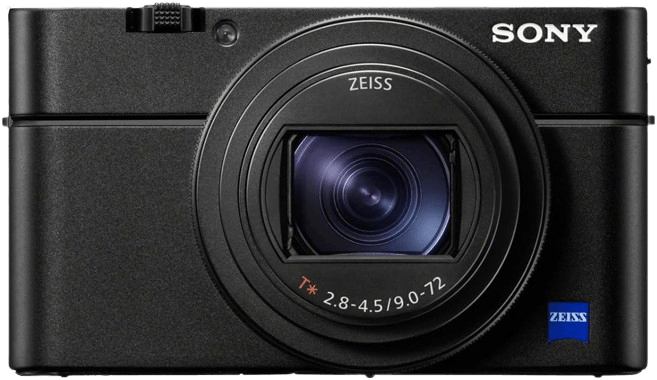
- Resolution
- 20 MP
- Sensor
- 1"
- Video
- 4K
- Weight
- 302 g
Highlights
- Pocket-sized point-and-shoot
- High-quality Zeiss zoom lens with 8x zoom
- Advanced autofocus system with subject tracking
- Excellent 4K video performance
- Microphone jack for audio recording
Trade-Offs
- Very expensive
- Image quality isn't great
- Not the best low-light performance
- No microphone jack
- No headphone jack
Fujifilm X100V
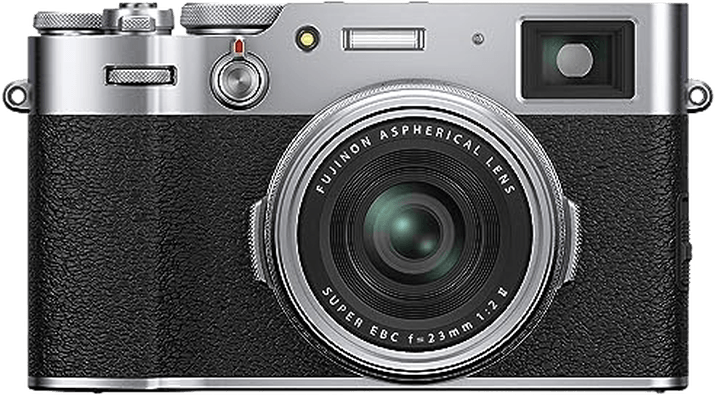
- Resolution
- 26 MP
- Sensor
- APS-C
- Video
- 4K
- Weight
- 478 g
Highlights
- Excellent image quality
- Strong low-light performance
- Excellent stills capabilities
Trade-Offs
- Slow AF and poor with optical viewfinder
- Lacks in-body image stabilization
- Limited customization
- Complicated menus
- Optional weather sealing costs extra
Panasonic Lumix ZS200 / TZ200
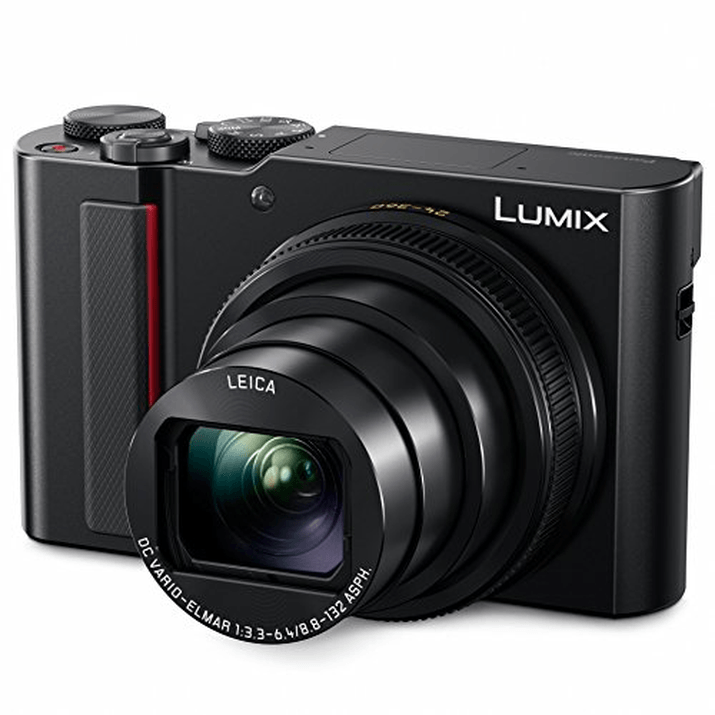
- Resolution
- 20 MP
- Sensor
- 1"
- Video
- 4K
- Weight
- 340 g
Highlights
- Low price
- Excellent quality 4K video
- Incredibly versatile focal length range
- 5-axis in-body image stabilization
- Unmatched battery life
Trade-Offs
- High maximum aperture
- Fixed rear screen
- Not weather sealed
- 1.5x 4K crop factor
- AF occasionally hunts in video mode
12. Canon PowerShot G7X Mark III (Best 4K Camera for Sports)
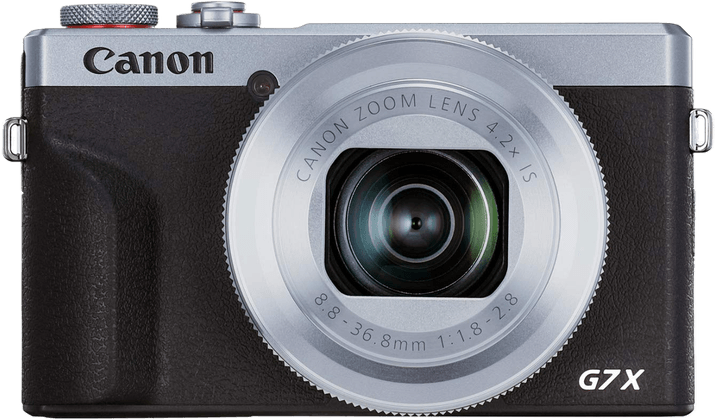
- Resolution
- 20 MP
- Sensor
- 1"
- Video
- 4K
- Weight
- 304 g
Highlights
- A high dynamic range
- Fast continuous shooting speeds
- Stylish design
- Pocket-sized body
- Flip-up rear LCD touchscreen
- Live-streaming compatible
Trade-Offs
- Soft focus at wider focal lengths
- No subject tracking in continuous shooting mode
- No electronic viewfinder
- Weak battery life for a compact
- 10 minute 4K recording limit
13. Blackmagic Pocket Cinema Camera 4K(Best 4K Camera for Filmmakers)
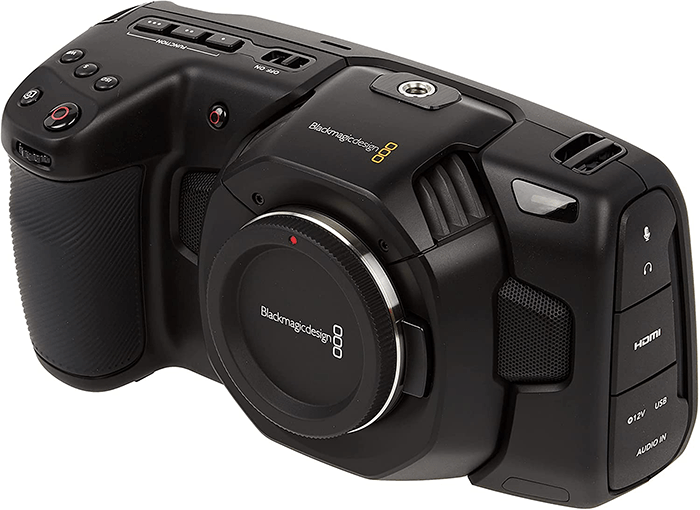
The Blackmagic Pocket Cinema Camera 4K is a retro-looking video-only camera. While it doesn’t have any photo capabilities, its professional video specs are mind-blowing.
For starters, it features a large Four Thirds sensor with a maximum resolution of 4096×2160 pixels. In addition, the DCI 4K footage has a classic cinematic look, ideal for documentarians and filmmakers.
The camera has a compact, lightweight, and durable design, courtesy of its carbon fiber composite construction. Other design features include a microphone jack, a headphone jack, multiple air vents, and a substantial five-inch touchscreen LCD.
Finally, the RAW 4K video footage is impressively sharp and has beautiful colors. If you are interested in 6K video quality or dual native ISO, consider buying one of its siblings, the Blackmagic Pocket Cinema Camera 6K or the Blackmagic Pocket Cinema Camera 6K Pro.
Pros
- Fantastic value for the money
- Excellent 4K video quality
- Giant 5-inch touchscreen display
- Advanced audio controls
- Portability
Cons
- Doesn’t shoot stills
- No in-camera stabilization
- No articulating screen
- Not weather-sealed
- A weak battery
14. GoPro Hero10 Black (Best Action Camera 4K+)
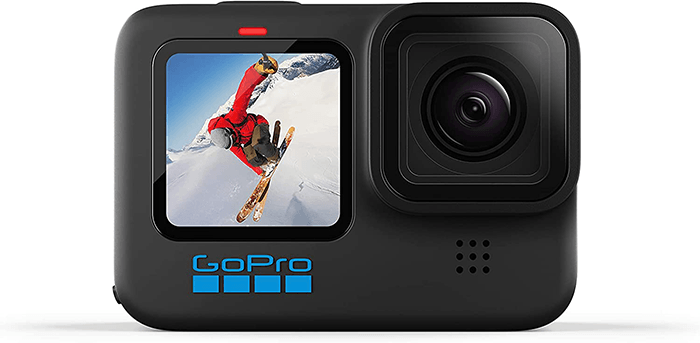
The GoPro Hero10 Black is a durable action camera built for people with adventurous spirits. Its 1/2.3-inch, 23MP sensor might not capture award-winning photos, but it excels at capturing video. It’s a fantastic budget action camera.
With 4K and 5.3K video resolutions and unbeatable HyperSmooth image stabilization technology, it’s the most advanced GoPro and the first to seriously rival mirrorless and DSLR cameras.
In addition, it’s fully waterproof, shoots both slow-motion and ultra-slow-motion videos, and has live streaming capabilities. Also, the dual screens on the front and back of the camera make shooting “selfie” footage unbelievably easy. For adventure junkies and thrill-seekers, the GoPro Hero10 Black is a must-own camera, in my opinion.
Pros
- 5.3K max video resolution
- Industry-leading stabilization technology
- Built-in slow-motion and time-lapse modes
- Tiny, rugged body built for adventures
- 100% waterproof up to 10 meters without a case
Cons
- A small sensor Poor low-light performance Occasional overheating issues The battery door has to be open during charging Battery drains quickly when shooting video in 5.3K
- A small sensor
- Poor low-light performance
- Occasional overheating issues
- The battery door has to be open during charging
- Battery drains quickly when shooting video in 5.3K
15. DJI Air 2S (Best 4K Drone Camera)
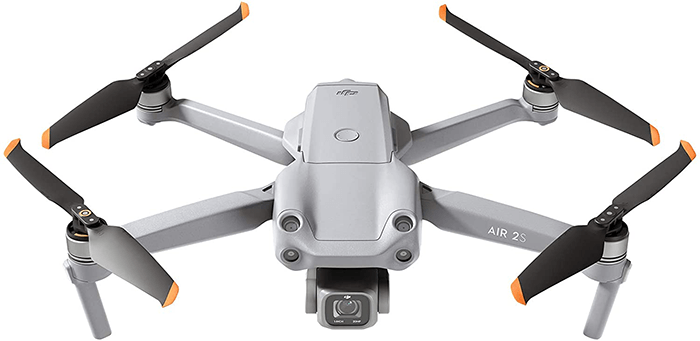
The DJI Air 2S is a compact and highly portable drone with advanced professional features and a budget-friendly price. It’s the first DJI consumer drone to feature a 20MP, one-inch CMOS sensor. While the megapixel (MP) count is lower than the DJI Mavic Air 2, the video and image quality are substantially better.
Regarding video quality, the DJI Air 2S can shoot 5.4K videos at 30p, 4K videos at 60p, and 1080p Full HD videos at 120p. Furthermore, the footage is stunningly smooth, thanks to the built-in three-axis gimbal.
Lastly, even beginners can fly this drone confidently and worry-free thanks to four-way obstacle avoidance, “intelligent” flight modes, and a return-to-home button that automatically flies the drone back to you.
Pros
- Superb image quality
- A large one-inch sensor
- Great image stabilization
- Intuitive obstacle avoidance technology
- Compact, foldable design
- Strong battery life
Cons
- You can’t adjust the aperture
- Max 1080p resolution using MasterShots setting
- Active track mode sometimes loses the subject
- The controller is on the large side
- The lightweight body is challenging to fly in windy conditions
16. Logitech Brio Stream (Best 4K Webcam)
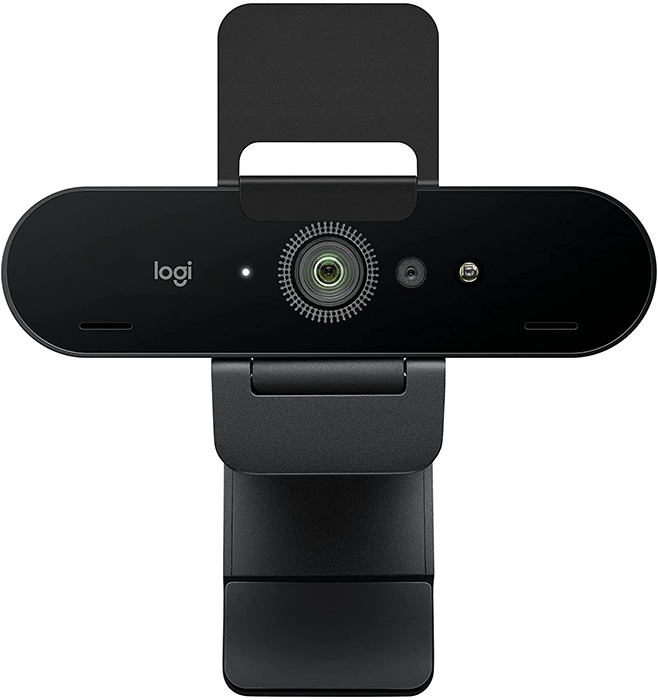
Even though it’s not a traditional camera, the Logitech Brio Stream is highly sought-after by YouTubers, gamers, and business professionals. It’s a detachable webcam with a 4K camera, a 90° field of view, and frame rates of up to 90 fps. Moreover, you can pair it with either a laptop or desktop computer.
Better yet, it can live stream 4K footage directly to platforms such as YouTube and Twitch. The built-in microphone and 5x digital zoom are also nice features to have. Throw in that it’s by far the cheapest camera on this list, and it’s an excellent option to consider.
Pros
- Unrivaled 4K video quality
- 90-degree field of view
- Excellent quality audio
- Best in class live streaming
- Simple and easy-to-use
Cons
- Expensive compared to competitors
- No 4K recording, only streaming
- Occasional overheating issues
- No optical zoom
- The clip feels cheap
Our Verdict
Every camera on this list has one thing in common, they all produce high-quality 4K videos. Regardless of which one you ultimately choose, you will be thrilled with the results. However, some undoubtedly stand out in one way or another. So with that in mind, let’s do a quick review of the cameras we covered above.
- What is the best mirrorless 4K camera? The Sony a7S III.
- What is the best budget mirrorless 4K camera? The Sony Alpha a6100.
- What is the best DSLR 4K camera? The Canon EOS 5D Mark IV.
- What is the best budget DSLR 4K camera? The Canon Rebel EOS SL3.
- What is the best compact 4K camera? The Sony Cyber-shot RX100 VI.
Common FAQs on 4K Cameras Answered:
Here are a few of the most common questions people have when looking into purchasing a new 4K camera and our answers.
What is a 4K Camera?
A 4K camera is any device that can record video at resolutions of 4K or higher. There are two commonly recognized types of 4K recording formats, Ultra HD (UHD) 4K and DCI (Digital Cinema Initiatives) 4K. UHD footage has a resolution of 3840×2160 pixels, whereas DCI (sometimes known as Cinematic 4K) has a resolution of 4096×2160 pixels.
What Does 4K Mean in a Camera?
4K stands for “four thousand” and refers to the video footage’s approximate width (in pixels). 4K videos are high-resolution files that retain tons of detail and have four times as many pixels as 1080p Full HD video files.
Do I Really Need to Shoot 4K?
For beginners, the answer is no. Even though video quality is essential, learning the basics of composition, lighting, and audio are the first things that you need to master.
However, once you are more experienced, having 4K is a must. Even if you ultimately decide to oversample the 4K footage and output it in 1080p Full HD resolution, the flexibility and quality of initially capturing the footage in 4K will make an enormous difference in the final product.
How Much Do 4K Cameras Cost?
I wish I could give you one flat price for all 4K cameras, but unfortunately, that is not how camera gear works. The price range of 4K cameras is massive, with budget cameras starting at a couple of hundred dollars and high-end cinema cameras costing tens of thousands.
What is the Best 4K Camera for Live Streaming?
4K live streaming is still a relatively new technology, and even though many cameras can record 4K footage, only a select few can live stream 4K video. My favorite 4K cameras for live streaming are the Canon PowerShot G7 X Mark III, the Logitech Brio Stream webcam, and the GoPro Hero10 Black. The Sony Alpha a7 IV and the Blackmagic Pocket Cinema Camera 6K Pro are also excellent 4K camera options.