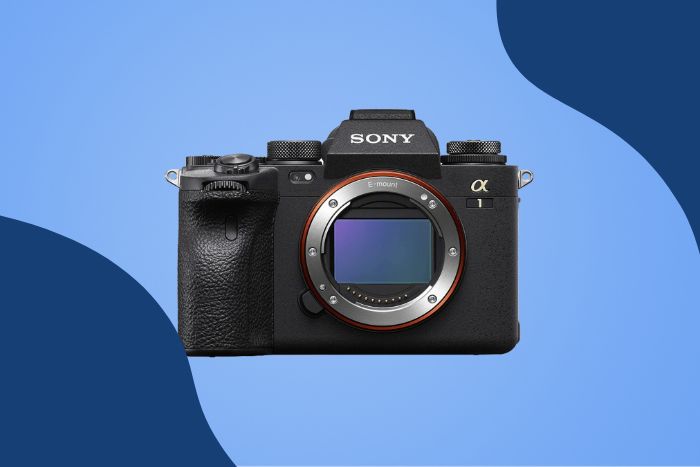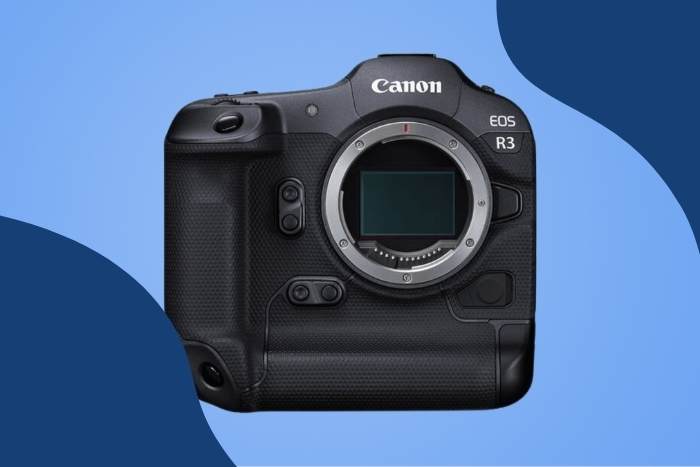
Product specifications and highlights restored from our saved catalogue records. The original article date and recommendations are unchanged.
Unfortunately, you get what you pay for. Landscape photography cameras with larger sensors and more features are generally more expensive. But we’ve limited the budget for these camera bodies to about $1,200 and under. Our top choice is the Panasonic Lumix DC-G9. It hits the mark with high resolution, weather sealing, and customization.
The Best Affordable Camera for Landscape Photography
There are two types of cameras on our list—mirrorless and DSLRs. Each has pros and cons.
Mirrorless Cameras for Landscape Photography
Most mirrorless cameras and lenses are smaller and lighter than their DSLR equivalents. And their autofocus (AF) systems usually cover the entire frame. So you don’t have to focus and recompose.
They have electronic viewfinders (EVFs) and LCD screens showing a real-time view of the exposure and white balance. So “what you see is what you get” (WYSIWYG). EVFs are also usable in bright sunshine—unlike the LCD screen of a DSLR.
But the recent development of the format means fewer wide-angle lenses are available. And it doesn’t help that Canon and Nikon refuse to let third-party manufacturers make competing lenses.
DLSR Cameras for Landscape Photography
DSLR cameras offer similar sensor sizes and resolutions. The weather sealing is also usually better than with mirrorless cameras. You also get a fantastic range of lenses—whichever brand you choose.
But manufacturers are investing less and less in DSLRs as mirrorless cameras overtake them. And more and more models are being discontinued, such as the Nikon D3500 and D5600.
Nikon now only has one DX-format DSLR, and even Canon might stop releasing new DSLR cameras at some point. That’ll leave Pentax as the last one standing!
Let’s have a quick look at a summary of the best options. And jump to our buying guide and camera FAQs at the end of this article If you need more help choosing a camera.
- Panasonic Lumix DC-G9
- Sony a6100
- Pentax KF
- Canon EOS Rebel T8i / 850D
- Fujifilm X-S10
- Nikon Z50
- Canon EOS R10
- Canon EOS RP
- Canon EOS Rebel SL3 / 250D
- Canon EOS M50 Mark II
- Pentax K-70
11 Best Affordable Landscape Photography Cameras to Buy in Detail
Let’s look at the best budget alternatives currently on the market for landscape photographers.
Some cameras remove the anti-aliasing (AA) filter or let you switch it off for added sharpness. And it’s best to have a wide choice of wide-angle and ultra-wide-angle lenses. This is especially true if you choose a crop-sensor camera.
I’ve mostly chosen 24 MP APS-C and full frame models rather than compact cameras. But there’s one very good Micro Four Thirds camera that might surprise you!
1. Panasonic DC-G9
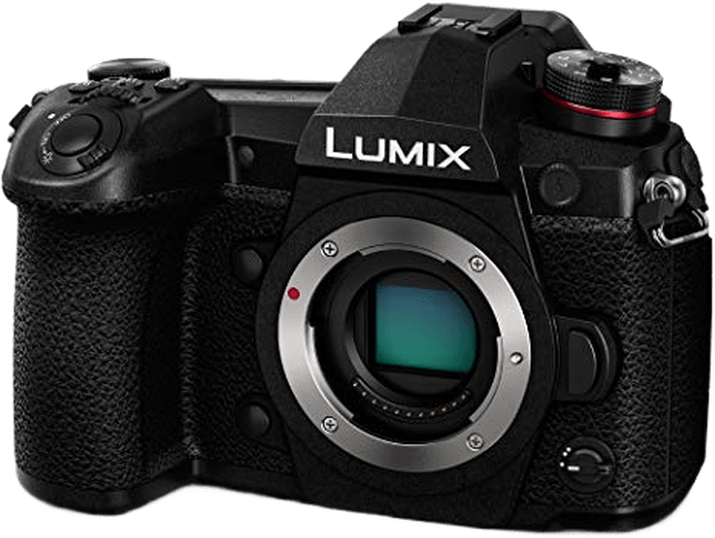
- Resolution
- 20 MP
- Sensor
- Micro Four Thirds
- Video
- 4K
- Weight
- 658 g
Highlights
- Burst shooting runs up to 20 fps
- In-body stabilisation reduces camera shake
- Electronic viewfinder with 3.68 million dots
- Weather-sealed body suits outdoor shooting
- Records 4K video with built-in timelapse
Trade-Offs
- Contrast-detection autofocus wobbles in electronic viewfinder
- Unresponsive AF joystick can't make diagonal movements
- Your nose can accidentally activate the touchpad AF
- Rolling shutter effects visible at 20 fps
2. Sony a6100
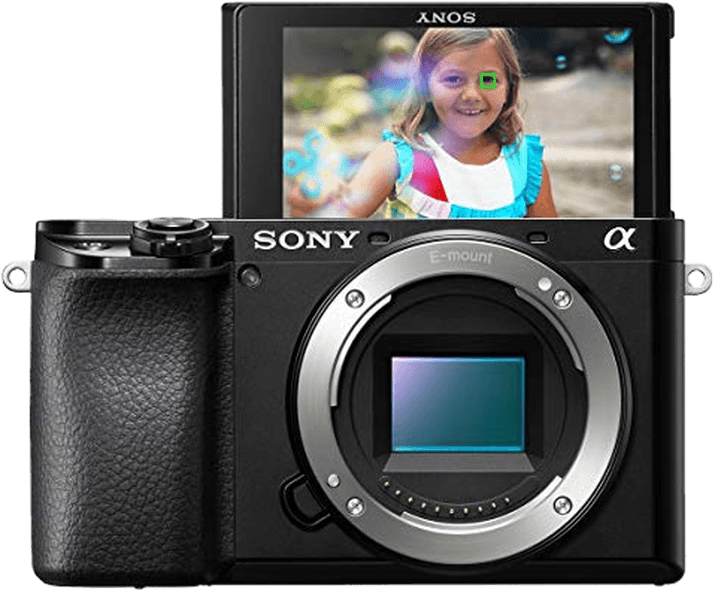
- Resolution
- 24 MP
- Sensor
- APS-C
- Video
- 4K
- Weight
- 396 g
Highlights
- Great value for the price
- Eye-detect autofocus for humans and animals
- Compact size
- 4K video option
- Flip-out touchscreen for selfies and vlogging
Trade-Offs
- No in-body stabilization
- Low 1/4000 s max shutter speed
- No GPS
- Not weather-sealed
- No headphone jack
3. Pentax KF
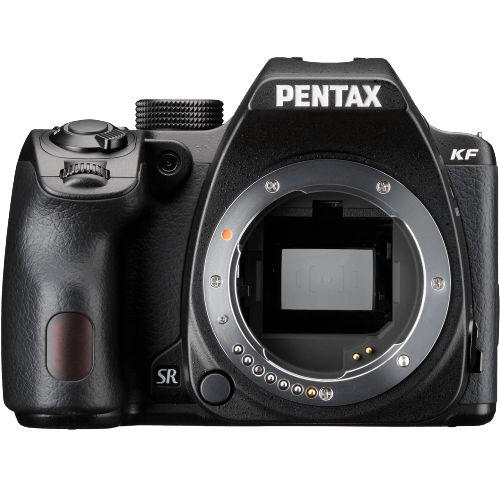
- Resolution
- 24 MP
- Sensor
- APS-C
- Video
- Full HD
- Weight
- 688 g
Highlights
- Weather sealing protects against dust and moisture
- In-body stabilisation steadies handheld shots
- Optical pentaprism viewfinder for eye-level framing
- Flip screen helps at awkward angles
- GPS records shooting locations with photos
Trade-Offs
- Only 11 focus points
- Slow burst rate
- No touchscreen
- Average battery life
- No 4K video
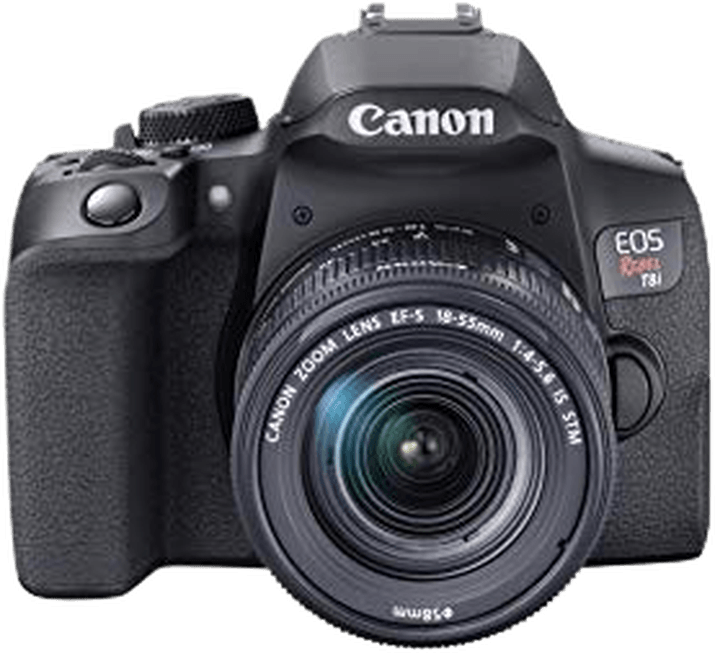
- Resolution
- 24 MP
- Sensor
- APS-C
- Video
- 4K
- Weight
- 515 g
Highlights
- Excellent image quality
- Face and eye-detection AF
- Great ISO range and low-light performance
- 4K/25p and Full HD/120p video
- Webcam functionality and remote shooting with smartphone
Trade-Offs
- Fiddly control dials
- Less reliable AF in video mode
- Small optical viewfinder display
- Cropped 4K video
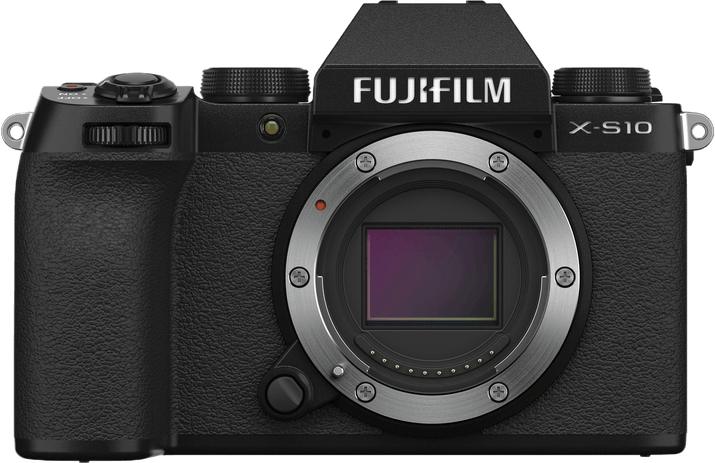
- Resolution
- 26 MP
- Sensor
- APS-C
- Video
- 4K
- Weight
- 465 g
Highlights
- In-body stabilisation steadies handheld shooting
- 26 megapixels allow room for cropping
- 4K video plus built-in timelapse
- Flip screen simplifies unusual angles
- Light 465 gram body travels easily
Trade-Offs
- Subject tracking is not good enough for sports or action shots
- Few custom buttons
- Small viewfinder
- Only one UHS-I memory card slot
- Poor 325-shot battery using the LCD
6. Nikon Z50
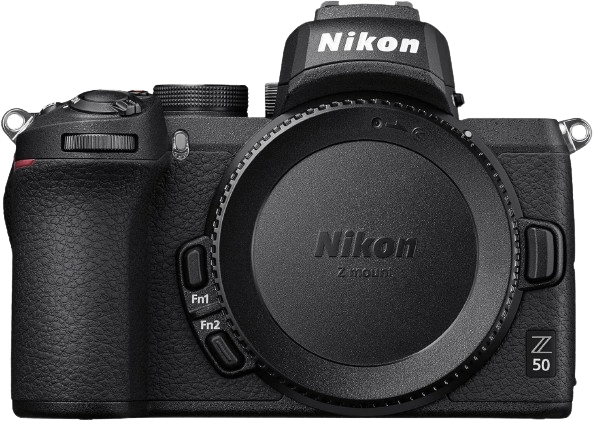
- Resolution
- 21 MP
- Sensor
- APS-C
- Video
- 4K
- Weight
- 450 g
Highlights
- A more affordable mirrorless option
- Nice to handle and use
- Relatively lightweight and not too bulky
- Solid 4K video performance
Trade-Offs
- 20.8 MP sensor resolution is lower than many close competitors
- Poor battery life
- Only one memory card slot
- Limited native APS-C lenses
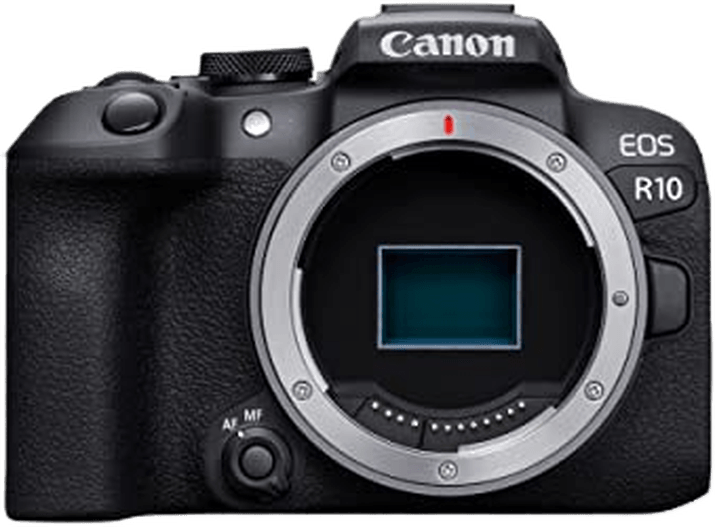
- Resolution
- 24 MP
- Sensor
- APS-C
- Video
- 4K
- Weight
- 426 g
Highlights
- Powerful APS-C sensor
- Professional-standard Dual-Pixel AF
- 23 fps burst speed (electronic shutter)
- Compact and lightweight camera body
- Excellent video quality with 4K options
Trade-Offs
- No image stabilization when taking photos or recording video
- Only has one slot for memory cards
- Body has no weather sealing
- 4K/60p video is cropped
8. Canon EOS RP
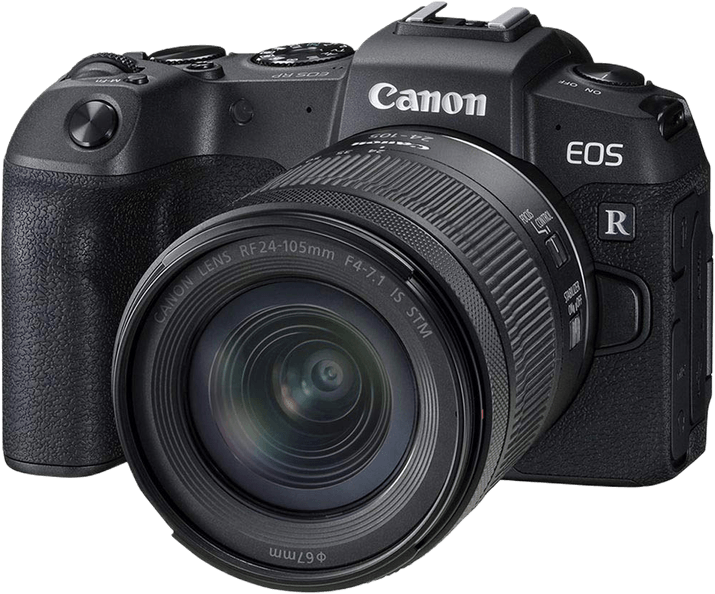
- Resolution
- 26 MP
- Sensor
- Full Frame
- Video
- 4K
- Weight
- 440 g
Highlights
- Affordable full-frame mirrorless
- Lightweight and easy to handle
- Macro stacking and time-lapse
- Convenient Wi-Fi and Bluetooth
- Nice 4K video performance
Trade-Offs
- 5 fps max burst is slow compared to competitors
- Relatively poor 250-shot battery life
- Doesn't function while charging
- 4K video is cropped 1.6x
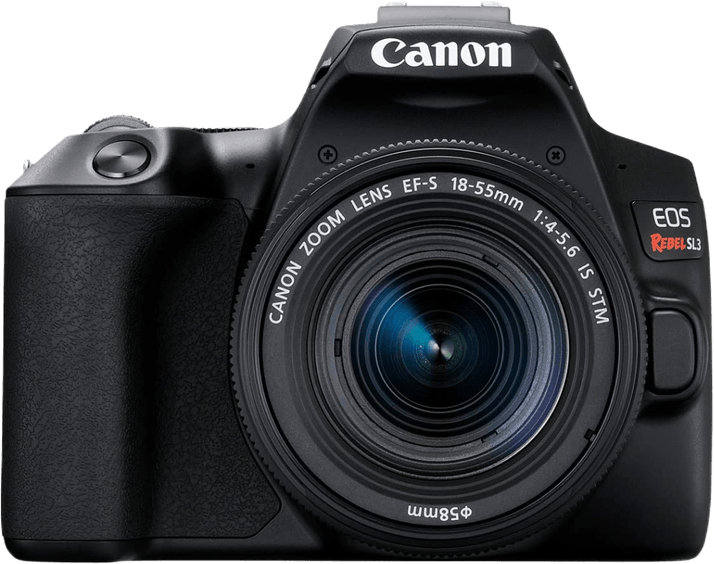
- Resolution
- 24 MP
- Sensor
- APS-C
- Video
- 4K
- Weight
- 449 g
Highlights
- Light 449 g body travels easily
- Flip-out touchscreen helps awkward angles
- Wi-Fi and Bluetooth connectivity built in
- 24 megapixels support prints and cropping
- Battery rated for 1070 shots
Trade-Offs
- Only 9 autofocus points
- Lacks in-body image stabilization
- No USB charging
- No weather sealing
- 1.7x 4K crop factor
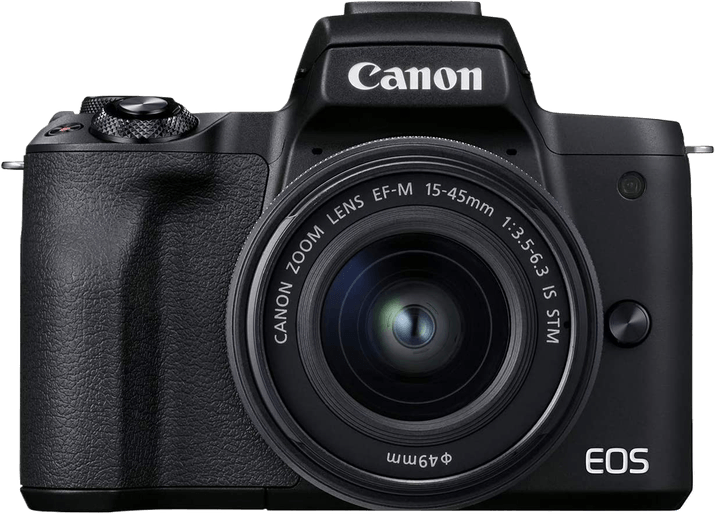
- Resolution
- 24 MP
- Sensor
- APS-C
- Video
- 4K
- Weight
- 387 g
Highlights
- Strong sensor resolution
- 4K and Full HD video options
- Time-lapse recording
- External mic port
- Webcam functionality
Trade-Offs
- 4K video is cropped
- No environmental sealing
- No sensor-shift image stabilization
- Disappointing battery life
11. Pentax K-70
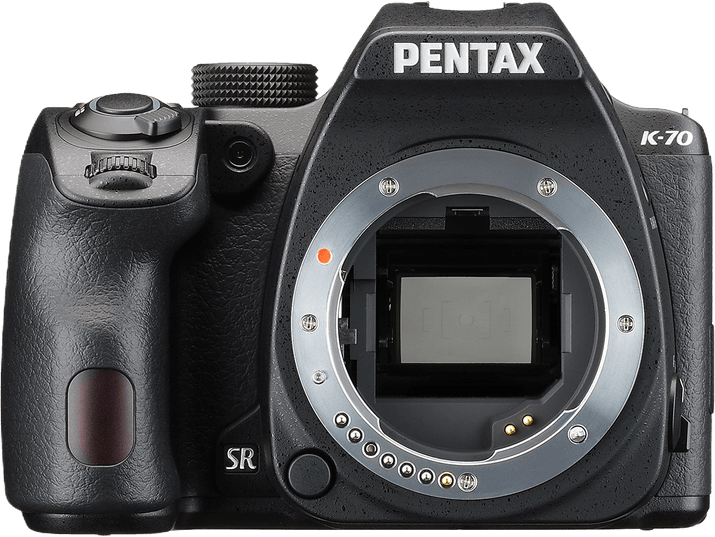
- Resolution
- 24 MP
- Sensor
- APS-C
- Video
- Full HD
- Weight
- 688 g
Highlights
- Brilliant low-light performance with a wide ISO range
- Excellent image quality and sensor
- Built-in image stabilizer reduces camera shake
- High-quality pentaprism viewfinder
- Durable body with full weather sealing
Trade-Offs
- Limited AF system for fast-moving subjects
- Slow buffering when shooting in RAW
- Slow max burst speed of 6 fps
- Poor connecting Wi-Fi app
- Only Full HD video, no 4K recording
Our Verdict
The best affordable camera for landscape photography has to cover several bases. Landscape photographers want high resolution and good low-light performance. Weather sealing, portability, and a user-friendly experience are also desired.
Plenty of high-end cameras offer that, such as the Sony a1 or a7R V. Unfortunately, they’re all much more than $1,200! But our top pick is the Panasonic DC-G9. It’s an affordable option for budding landscape photographers.
Buying Guide for Affordable Landscape Cameras
If you have to make trade-offs to keep within budget, you have a few options:
A Low-Light Landscape Camera
If you like low-light photography, you might prefer full frame cameras like the Canon EOS RP. But most landscape photographers use the lowest ISO, choose a narrow aperture like f/16, and let the camera choose the shutter speed.
This means you don’t only need a large sensor or wide ISO range to help you in low light. There’s a risk of motion blur with moving subjects.
But you don’t get many of those in landscape photography! And you can always use a long shutter speed even if you’re shooting waves or clouds.

A Sharp, High-Resolution Landscape Camera
If you want sharpness or the ability to crop in, having as many megapixels (MP) as possible is important. That’s where the Panasonic G9‘s Hi-Res Capture mode comes in handy!
Another factor is the AA filter. You’ll get slightly sharper images if there isn’t one. (Or you can switch it off). And you might get moiré effects. But that’s not usually a problem when shooting landscapes.
Portable Landscape Cameras
If portability is most important to you, the answer is probably a mirrorless model. There are good options like the Panasonic G9 or the Sony a6100.
Both camera bodies and lenses are smaller and lighter. It’s a big deal if you’re always hiking up and down mountains to find suitable landscapes!
Best Affordable Camera for Landscape Photography FAQs
Here are the most common questions about the best affordable camera for landscape photography. We hope this helps you make the most informed decision when you buy one.
What’s a Good Quality Camera for Landscape Shots?
Strangely enough, the best camera is likely the Panasonic G9, even though it’s only a Micro Four Thirds! That’s because the image quality is still good, and you can even use the 80 MP Hi-Res Capture mode for extra detail and higher dynamic range.
Other mirrorless models with larger sensors include the Sony a6100, Fujifilm X-S10, and Nikon Z50. If you prefer a DSLR, you could buy the Pentax KF or the Canon EOS Rebel T8i.

How Many Megapixels Do I Need for Landscape Photography?
The more, the merrier! As a landscape photographer, you’ll probably want your images to be as sharp as possible from front to back. More megapixels (MP) help you achieve that. (All other things being equal.)
There are plenty of other factors, and higher-resolution cameras normally cost more. But when it comes to sensors, a good big one will always beat a good little one!
Which Camera is Best for Photography at a Low Price?
There’s always a trade-off between features and the cost of a camera. If you’re looking for the best cameras for landscape photography, you have a couple of options. You can buy a new camera for as much as you can afford. Or you can buy a second-hand or “renewed” model for the same price.
You’ll usually get better specs on paper with the latter. But the risk is that there might be a fault with the camera.
Are EOS or Mirrorless Better for Capturing Landscapes?
EOS cameras are simply Canon DSLRs. So the question is, “Are DSLRs or mirrorless models better cameras for landscape photography?” The answer depends on what you’re looking for.
DSLR cameras usually have an optical viewfinder and better weather sealing. But mirrorless models have WYSIWYG EVFs and LCD screens. Plus, they have AF systems covering the whole frame. Mirrorless is also a good way to future-proof your purchase.
If you’re still not sure which landscape camera to choose, try our guides to the best cameras for outdoor photography or night photography next!