Product specifications and highlights restored from our saved catalogue records. The original article date and recommendations are unchanged.
High dynamic range is simply the number of stops of light the camera can record between pure black and pure white. The human eye can generally cope with around 20 stops (Exposure Value or EVs). But even the best camera on our list, the Sony a7R V, can only manage 15 stops. That’s not bad, but it still doesn’t beat what nature gave us!
What Are the Best Cameras With High Dynamic Range?
The cameras on this list have the best dynamic range, scoring between 14.6 and 15 EVs. (A few older versions, like the Nikon D810 or the Sony a7R III, also do well. But I’ve excluded those for updated versions.)
Remember that a camera’s dynamic range is not the same as low-light sensitivity—it’s the range rather than the minimum. That means my new Sony a1 can beat my old Nikon D850 on low-light sensitivity (3163 vs 2660 ISO) but still have a lower dynamic range (14.5 vs 14.8 EV)!
Let’s quickly look at the top-ranked cameras for high dynamic range.
- Sony a7R V
- Hasselblad X1D II 50c
- Nikon D850
- Leica M11
- Sony a7 IV
- Nikon Z7 II
- Pentax 645Z
- Canon EOS R3
- Sony a7C
- Pentax K-1 Mark II
- Nikon D7200
11 Best Cameras With High Dynamic Range in Detail
Now let’s look in more detail at each camera offering the best dynamic range.
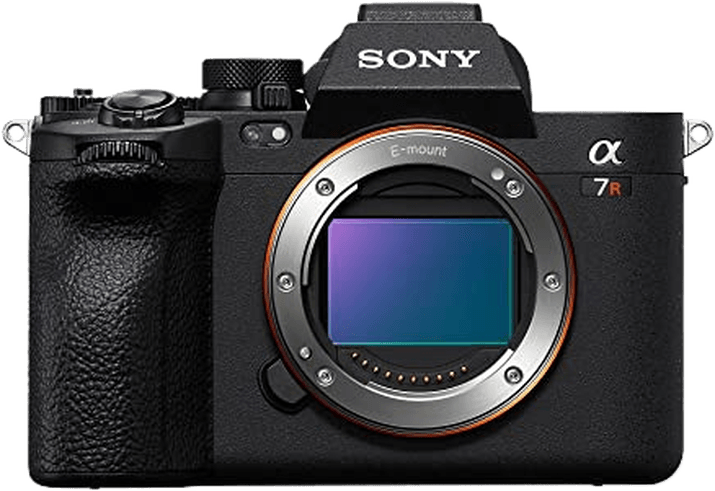
Sony a7R V
- Resolution
- 61 MP
- Sensor
- Full Frame
- Video
- 8K
- Weight
- 723 g
Highlights
- High-resolution sensor
- Automatic bird or animal eye detection
- Autofocus can track cars, trains, airplanes, and insects
- Big, bright, clear, and sharp electronic viewfinder
- 3.2-inch tilt, flip LCD screen
Trade-Offs
- Slow frame rate of only 10 fps
- Focus stacking can't be done in-camera
- No in-camera RAW processing
- May be unbalanced with a big lens
- Rolling shutter effect with 8K video
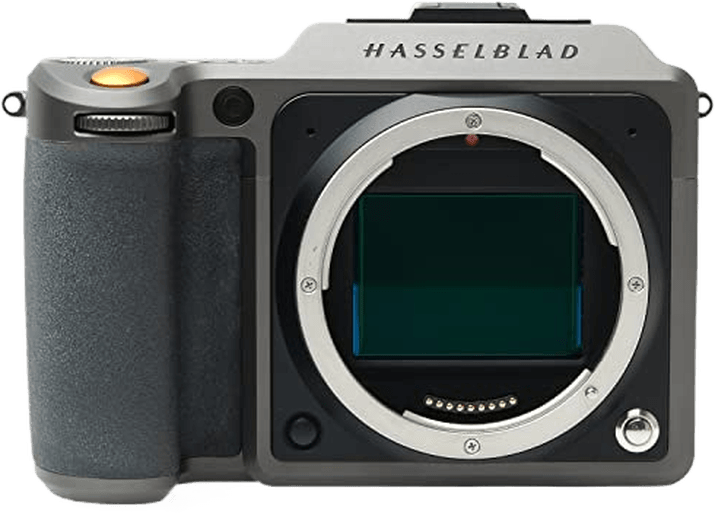
Hasselblad X1D II 50c
- Resolution
- 50 MP
- Sensor
- Medium Format
- Video
- 2.7K
- Weight
- 766 g
Highlights
- 50 MP sensor gives you outstanding image quality
- Excellent 14-stop dynamic range
- 1/2000 s flash sync
- Very compact for a medium format
- Built-in Wi-Fi and GPS
Trade-Offs
- Expensive even for a medium format
- Very low frame rate is not suited for action photography
- Limited range of lenses available
- Poor video recording with no 4K
Nikon D850
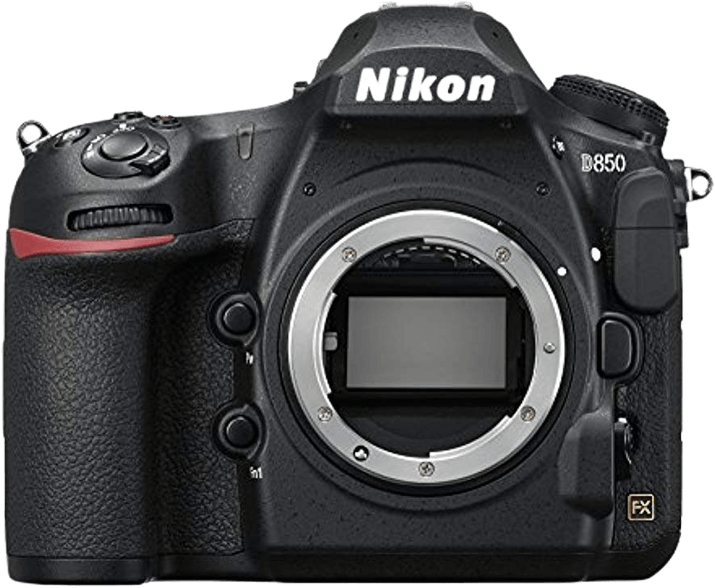
- Resolution
- 45.7 MP
- Sensor
- Full Frame
- Video
- 4K
- Weight
- 1005 g
Highlights
- Fantastic overall image quality
- Excellent 3D continuous AF tracking
- Long, 1,840-shot battery life
- Durable, weather-sealed construction
- Sharp 4K/30p Ultra HD video
Trade-Offs
- No customizable shooting presets
- Slow autofocus in Live View
- Needs an expensive XQD card
- Rolling shutter noticeable in 4K video
- Slow 7 fps or 9 fps with an expensive battery grip
Leica M11
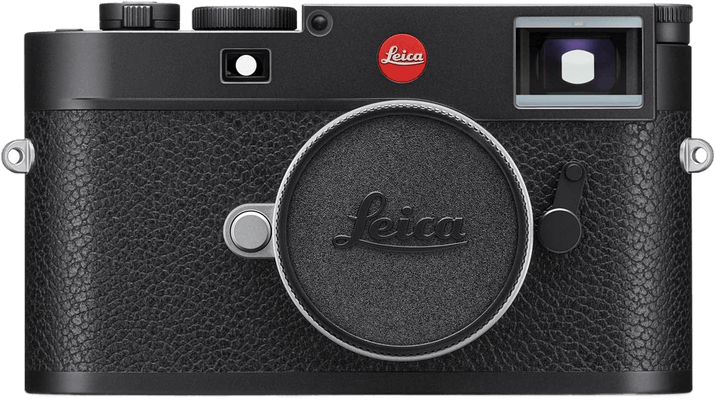
- Resolution
- 60 MP
- Sensor
- Full Frame
- Video
- Not recorded
- Weight
- 640 g
Highlights
- High-resolution shooting options
- Low ISO setting of 64
- Three customizable buttons
- Good battery life
- Classic rangefinder camera body
Trade-Offs
- Eye-watering price tag
- Slow burst rate of 4.5 fps
- No in-body stabilization
- Small viewfinder
- No video features
Sony a7 IV
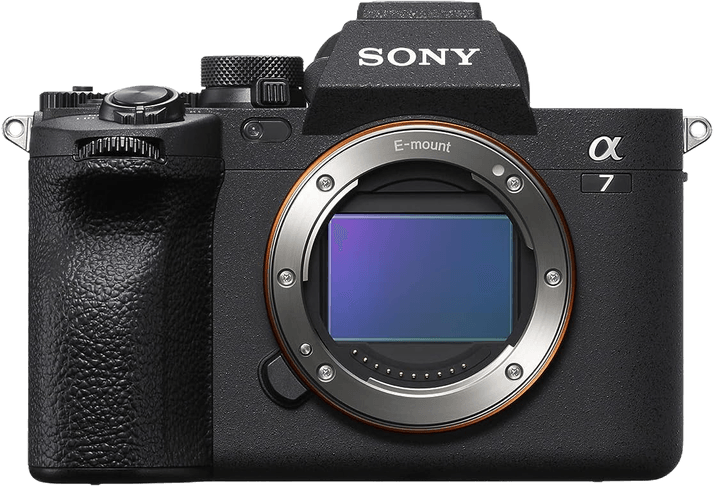
- Resolution
- 33 MP
- Sensor
- Full Frame
- Video
- 4K
- Weight
- 659 g
Highlights
- 33 megapixel full-frame sensor captures fine detail
- In-body stabilisation steadies handheld shooting
- Flip-out touchscreen helps low and high angles
- Dual slots fit CFexpress and SD cards
- 120 fps video enables slow-motion footage
Trade-Offs
- More expensive than the Sony a7 III
- 6 fps with 14-bit lossless compressed or uncompressed RAW files
- Significant distortion with moving subjects using a silent shutter
- Occasional issues with rolling shutter
- Requires a fast memory card
Nikon Z7 II
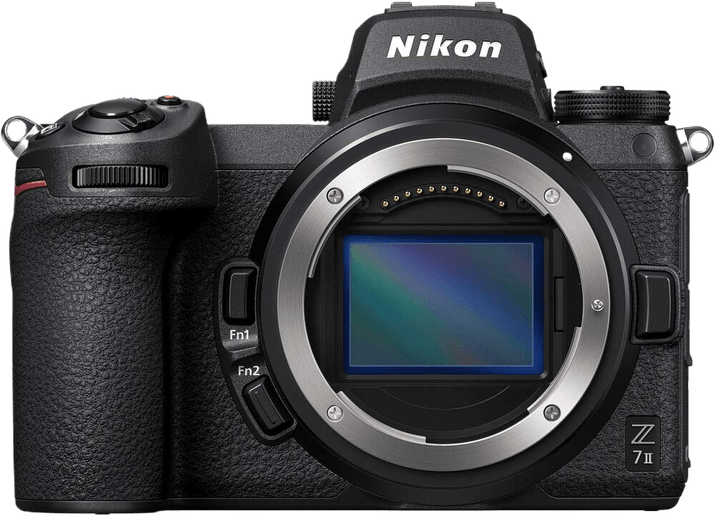
- Resolution
- 45.75 MP
- Sensor
- Full Frame
- Video
- 4K
- Weight
- 705 g
Highlights
- 45.75MP full-frame sensor gives detailed, croppable files
- In-body stabilisation steadies handheld exposures
- Dual card slots take SD and CFexpress
- 4K recording with built-in timelapse function
- Weather sealing suits outdoor shooting conditions
Trade-Offs
- Disappointing battery life of 420 shots
- Tilt screen has limited flexibility
- Limited lens range
- Slow frame rate of 10 fps in continuous shooting speed
Pentax 645Z
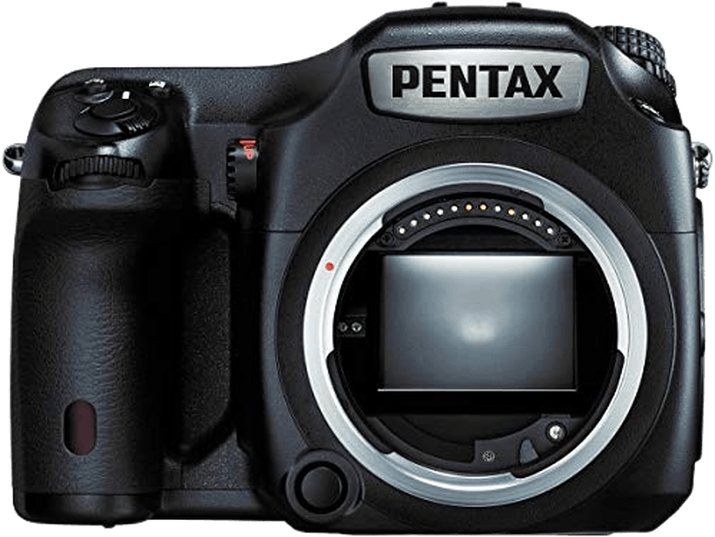
- Resolution
- 51.4 MP
- Sensor
- Medium Format
- Video
- Full HD
- Weight
- 1550 g
Highlights
- 51.4 megapixels for large prints and cropping
- Weather sealing for outdoor shooting
- Two card slots for storage flexibility
- Tilting screen for high, low angles
- Broad ISO range for changing light
Trade-Offs
- Autofocus (AF) can be slow
- AF points are only found around the center of the frame
- Slow burst mode
- Bulky and heavy body
- Lacks decent video features
Canon EOS R3
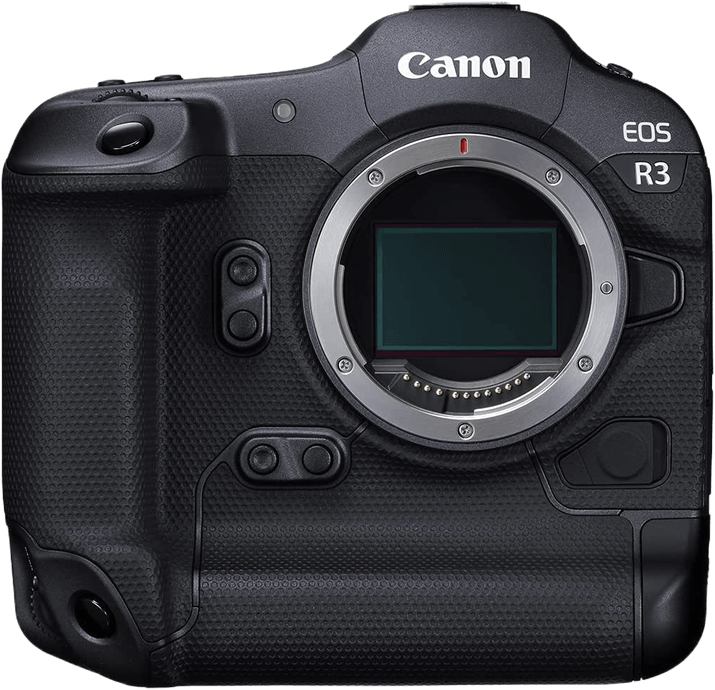
- Resolution
- 24 MP
- Sensor
- Full Frame
- Video
- 6K
- Weight
- 1015 g
Highlights
- A high frame rate of 30 fps
- Less noise with BSI stacked sensor
- 8 stops of image stabilization
- 6K / 60p RAW video
- 620-shot battery life
Trade-Offs
- Relatively expensive
- Low-resolution for some photographers
- No 8K video
- Slowed frame rate with an SD card or low battery
Sony a7C
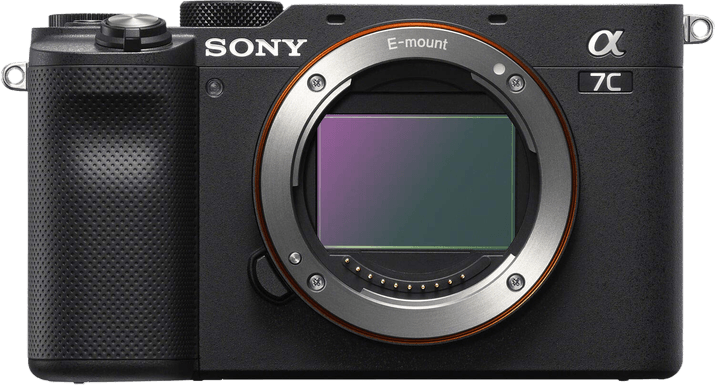
- Resolution
- 24.2 MP
- Sensor
- Full Frame
- Video
- 4K
- Weight
- 509 g
Highlights
- Full-frame sensor in a light body
- In-body stabilisation steadies handheld shooting
- Up to 10 fps burst shooting
- Flip-out screen eases awkward angles
- 740-shot battery life rating
Trade-Offs
- Only two customizable buttons
- Small electronic viewfinder
- No touchscreen menus
- Only has one memory card slot
Pentax K-1 Mark II
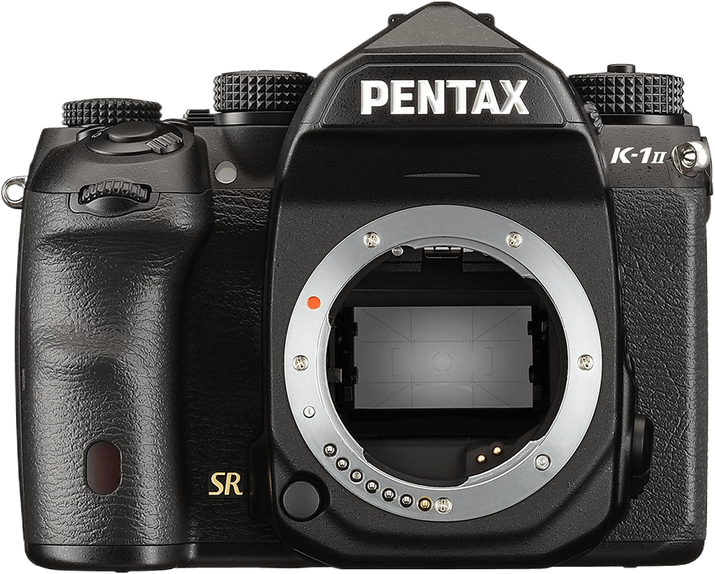
- Resolution
- 36 MP
- Sensor
- Full Frame
- Video
- Full HD
- Weight
- 1010 g
Highlights
- Full frame sensor with optical pentaprism viewfinder
- In-body stabilisation enables sharper handheld shots
- Weather sealing suits outdoor shooting conditions
- Dual SD slots give flexible file storage
- Flip screen helps at awkward angles
Trade-Offs
- AF is not as refined as others
- A slow frame rate
- Noise reduction always applied leads to soft images
- Limited modern lens selection
- Soft Full HD and no 4K capture
- A short battery life
Nikon D7200
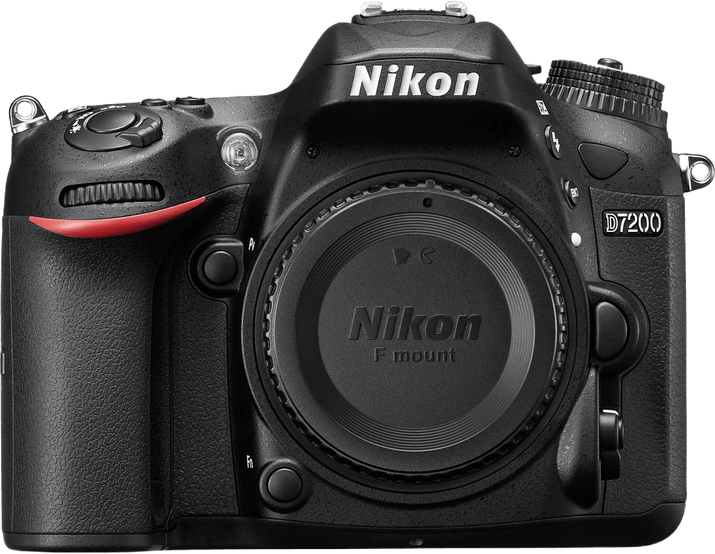
- Resolution
- 24.2 MP
- Sensor
- APS-C
- Video
- Full HD
- Weight
- 765 g
Highlights
- 24.2MP sensor supports big prints
- 6fps burst catches fleeting moments
- Weather sealing protects outdoor shoots
- Dual card slots extend shooting capacity
- Built-in timelapse automates interval shooting
Trade-Offs
- Very slow 6 fps max burst speed
- Highest expandable ISO settings are only available in black and white
- LCD screen is not fully articulating
- No 4K video and limited video features
Our Verdict
If you need a camera with the best dynamic range for low-light conditions or backlit shots, our list is a good starting point when choosing a new camera.
Top of the charts is the new a7R V. But if you don’t fancy a mirrorless camera, you also have DSLR options, both in full frame and crop format.
Common FAQs
These are the questions we get asked most about cameras with high dynamic ranges.
What is a High Dynamic Range?
High Dynamic Range (HDR) is the difference between the brightest and darkest values your camera can capture. It’s usually measured in “stops” of light or Exposure Values (EVs). Each stop is simply a doubling or halving of the light level.
Is HDR Better Than 4K?
No. High dynamic range and 4K try to improve picture quality to provide a more realistic viewing experience. But they do so differently. An HDR image improves color and contrast, while 4K delivers a sharper, more detailed image.
Fortunately, the technologies are compatible. So modern 4K and 8K TVs often let you enjoy the quality of high dynamic range with the sharpness of Ultra (UHD).

What is High Dynamic Range Used For?
It helps to capture as much detail as possible in the image to mimic what we see ourselves. A camera’s dynamic range is never as good as the human eye’s. So manufacturers are constantly trying to catch up.
Which Camera Has the Highest Dynamic Range?
The Sony a7R V is the current champion. But we only have Sony’s word for it! DXOMARK hasn’t had a chance to do comparative tests yet, so we shall see…
What Camera Has 15 stops of Dynamic Range?
The Sony a7R V is the only camera with 15 stops of dynamic range—so far!
What is the Dynamic Range of a Film Camera?
It depends on the camera, but 35 mm film has a dynamic range of 12 to 15 stops. In general, that’s a bit better than most digital cameras. But the latest models are catching up fast.
If you’re still unsure which camera to buy, check out our camera comparison tool for inspiration! We have great recent articles on the best camera brand, best camera for nature photography or jewellery photography too.