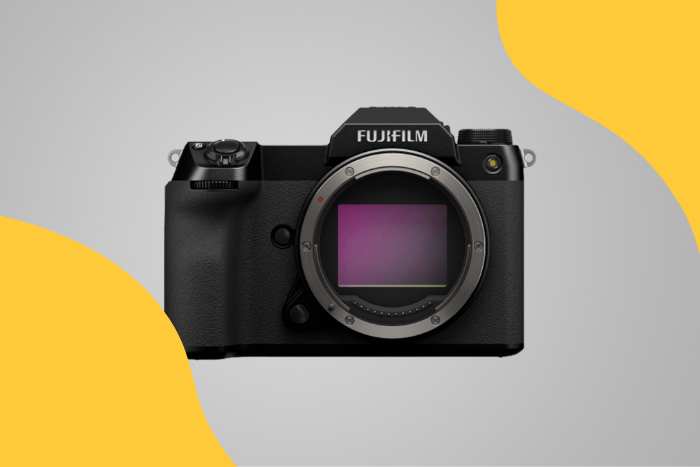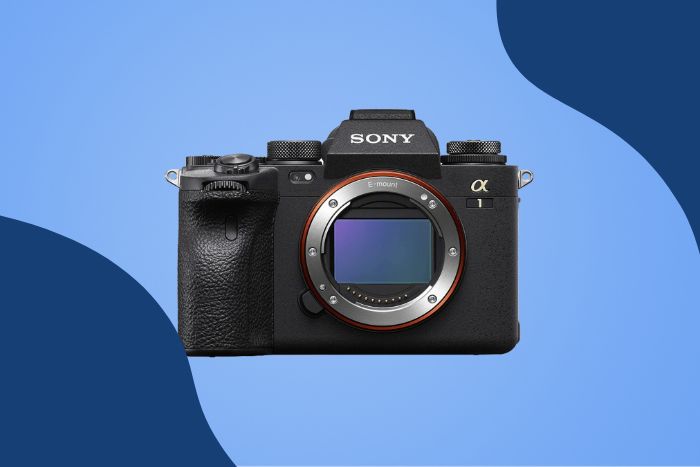
Product specifications and highlights restored from our saved catalogue records. The original article date and recommendations are unchanged.
Are you preparing for a photography trip? Or maybe you want to take better images of birds or local wildlife. Either way, let’s dive in! Here’s our guide to the best camera for nature photography. We’ve included different camera types for beginners, those on a budget, and pros!
The Best Camera for Nature Photography (Beginner vs Pro)
Let’s start with what beginners should look for. Then we’ll discuss which cameras are best for professionals.
A camera’s resolution is important if nature photography means flowers or wide-angle landscapes. So look for something with at least 24 MP.
And if you prefer wildlife photography, you’ll also need a good autofocus (AF) system. You’ll also want eye detection and need a burst rate of more than 10 fps for moving subjects.
You’ll also have to choose between cameras with different sensor types:
- APS-C: If you choose this more compact model, you increase the reach of your lenses and reduce the price without sacrificing features.
- Full Frame: These are the gold standard for resolution and low-light performance. But these tend to be bulkier, heavier, and more expensive than crop sensor models.
- Micro Four Thirds (MFT): These have an even smaller sensor. But Olympus OM System cameras offer many features in a small body.
- Bridge (Superzoom): You can always settle for a bridge camera. The Sony RX10 IV is probably the best of the bunch.
But if you’re a professional photographer, the best options are the Sony a1, the Nikon Z9, and the Canon EOS R3. These mirrorless cameras offer excellent resolutions, frame rates, and autofocus systems. But they’ll each set you back a few thousand dollars!

11 Best Cameras for Nature Photography
You’ll notice that every model on our list is a mirrorless camera. That’s because DSLRs are on their way out.
The major manufacturers are no longer supporting DSLRs. And they won’t be releasing many more lenses or DSLR camera bodies in the future.
- Fujifilm X-T5
- Sony a6600
- Canon EOS M6 Mark II
- Nikon Z50
- Sony a7C
- Canon EOS RP
- Olympus OM-D E-M10 Mark IV
- Sony Cyber-shot RX10 IV
- Sony a1
- Nikon Z9
- Canon EOS R3
11 Best Cameras for Nature Photography in Detail
Here’s our in-depth guide to each nature photography camera’s features and benefits. Let’s find out the best nature camera for you in more detail!
You can use the jump links below for the most relevant section. The first four sections are our beginner and budget options:
Beginner and Budget Options
The best mirrorless camera for a beginner or someone on a tight budget is probably the Fujifilm X-T5. In a way, that should be no surprise.
Fujifilm doesn’t have a full frame range of mirrorless or DSLR cameras. That means it has never been tempted to reduce the specs to encourage you to buy into a different camera format!
But there are still affordable full frame options from Canon and Sony. And you can also get an Olympus OM System Micro Four Thirds camera or a Sony bridge camera.
APS-C Cameras
Fujifilm X-T5
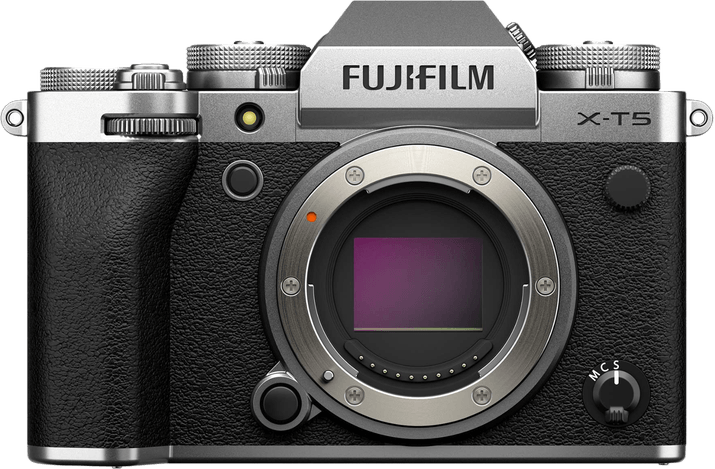
- Resolution
- 40 MP
- Sensor
- APS-C
- Video
- 6K
- Weight
- 557 g
Highlights
- Incredible 40.2 MP resolution from an APS-C sensor
- AF uses AI to identify and track moving subjects
- Built-in 5-axis image stabilization
- Pixel Shift Multi-Shot mode for ultra high-resolution photos
- Long-lasting, 680-shot battery
- Outstanding 6.2K video recording
Trade-Offs
- 40.2 MP resolution creates large files for storage
- Lowest ISO is 125, not 100
- Limited RAW buffer for full-resolution burst shooting
- Rolling-shutter effect is sometimes visible with video
- Video has a 1.23x crop factor at full resolution
Sony a6600
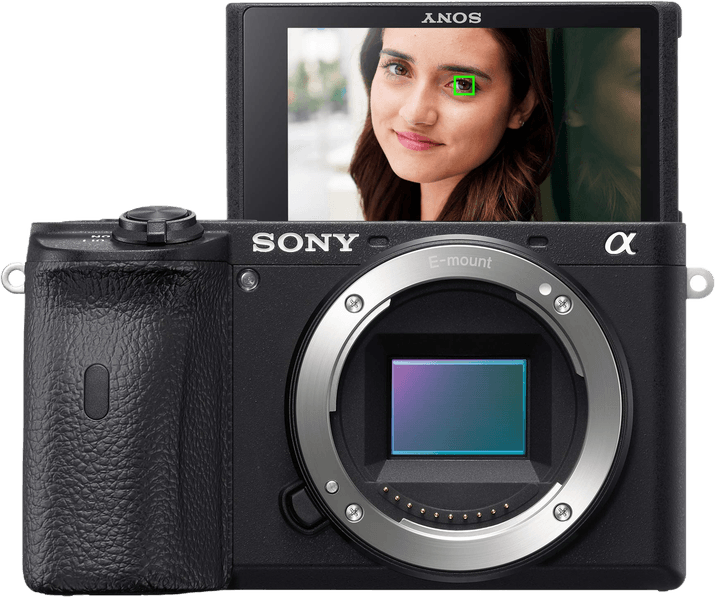
- Resolution
- 24.2 MP
- Sensor
- APS-C
- Video
- 4K
- Weight
- 503 g
Highlights
- Astonishing autofocus
- 5-axis in-body image stabilization reduces camera shake
- Silent shooting
- Terrific battery life
- Small, lightweight camera
Trade-Offs
- Slow buffer speeds
- Controls feel cramped with large hands
- Limited touchscreen controls
- No pop-up flash
- Rolling shutter recording video
Canon EOS M6 Mark II
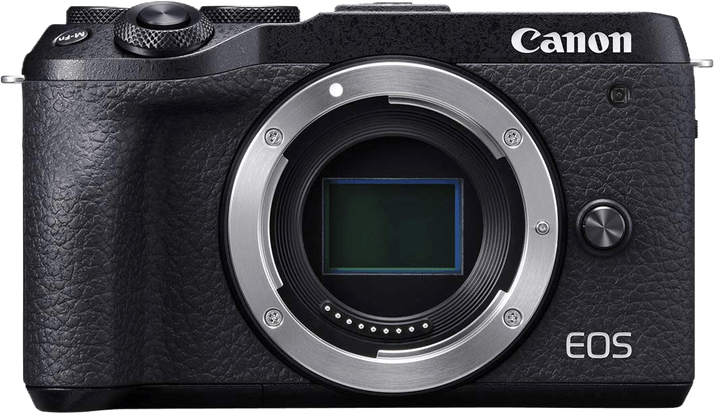
- Resolution
- 33 MP
- Sensor
- APS-C
- Video
- 4K
- Weight
- 408 g
Highlights
- Powerful 32.5 MP APS-C sensor
- Rapid 30 fps burst mode
- Uncropped 4K video with full AF
- Compact and lightweight body
- Accurate AF with face and eye detection
Trade-Offs
- No in-body image stabilization
- Limited screen articulation
- No built-in viewfinder
- Limited native lens selection
Nikon Z50
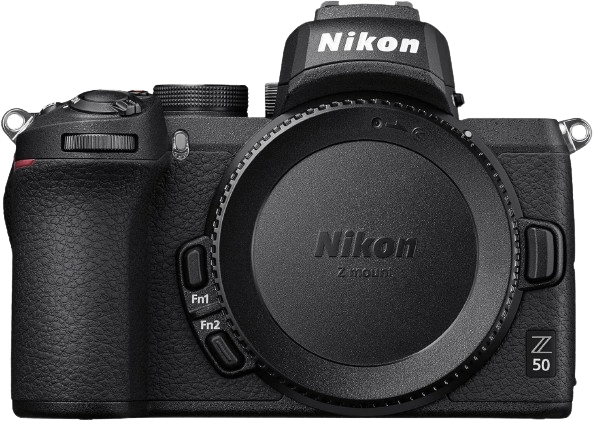
- Resolution
- 21 MP
- Sensor
- APS-C
- Video
- 4K
- Weight
- 450 g
Highlights
- A more affordable mirrorless option
- Nice to handle and use
- Relatively lightweight and not too bulky
- Solid 4K video performance
Trade-Offs
- 20.8 MP sensor resolution is lower than many close competitors
- Poor battery life
- Only one memory card slot
- Limited native APS-C lenses
Full Frame Cameras
Are you committed to nature photography and don’t want to have to swap lenses in mid-career? You can make the jump to a full frame camera. The best options at a reasonable price are probably the Sony a7C and the Canon EOS RP.
Sony a7C
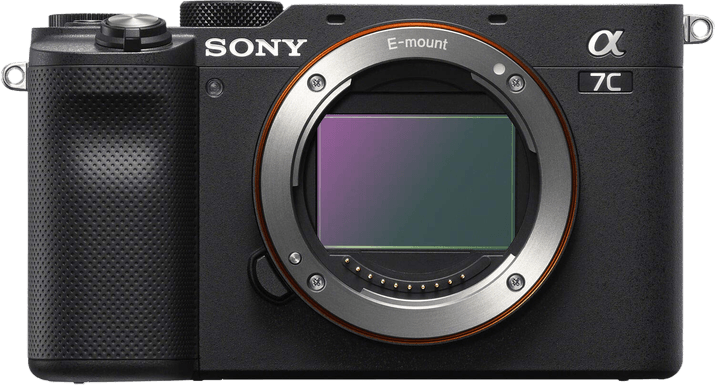
- Resolution
- 24.2 MP
- Sensor
- Full Frame
- Video
- 4K
- Weight
- 509 g
Highlights
- Full-frame sensor in a light body
- In-body stabilisation steadies handheld shooting
- Up to 10 fps burst shooting
- Flip-out screen eases awkward angles
- 740-shot battery life rating
Trade-Offs
- Only two customizable buttons
- Small electronic viewfinder
- No touchscreen menus
- Only has one memory card slot
Canon EOS RP
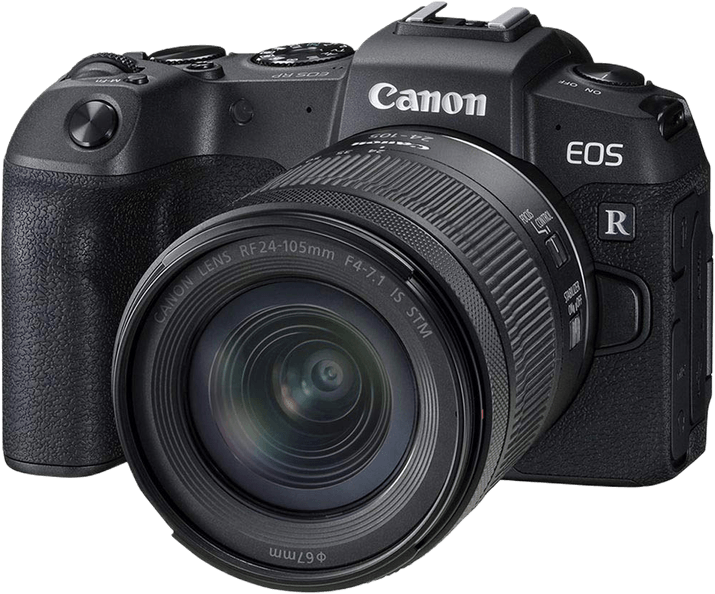
- Resolution
- 26 MP
- Sensor
- Full Frame
- Video
- 4K
- Weight
- 440 g
Highlights
- Affordable full-frame mirrorless
- Lightweight and easy to handle
- Macro stacking and time-lapse
- Convenient Wi-Fi and Bluetooth
- Nice 4K video performance
Trade-Offs
- 5 fps max burst is slow compared to competitors
- Relatively poor 250-shot battery life
- Doesn't function while charging
- 4K video is cropped 1.6x
Micro Four Thirds Cameras
Even though the sensor is much smaller, Olympus and Panasonic make some great MFT cameras for nature photography.
Olympus OM-D E-M10 Mark IV
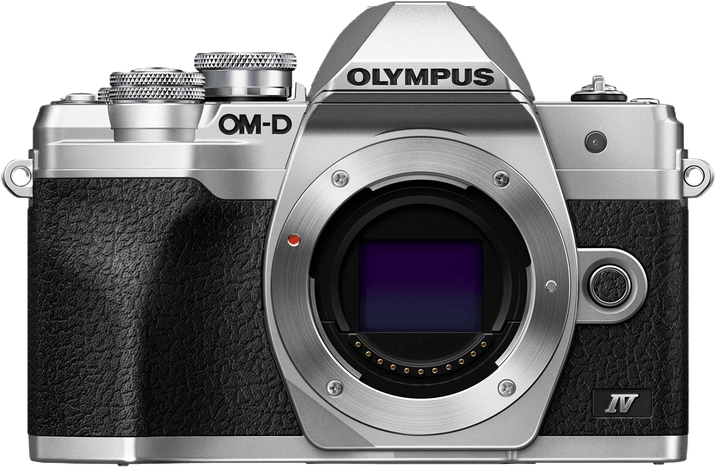
- Resolution
- 20 MP
- Sensor
- Micro Four Thirds
- Video
- 4K
- Weight
- 383 g
Highlights
- Affordable
- Very beginner-friendly
- Excellent image quality
- Built-in image stabilization for video and low light
- Endless list of compatible lenses
- Excellent 4K video features
Trade-Offs
- Small sensor
- AF has slow continuous shooting
- Contrast-detection AF system is slower than phase-detection systems
- No microphone and headphone jacks
- Plastic body and isn't weather sealed
Bridge Cameras
If you don’t mind the much smaller sensor, the great benefit of bridge cameras is the zoom range. If you want to take pictures of animals in the distance, there’s no more convenient and affordable option.
Sony Cyber-shot RX10 IV
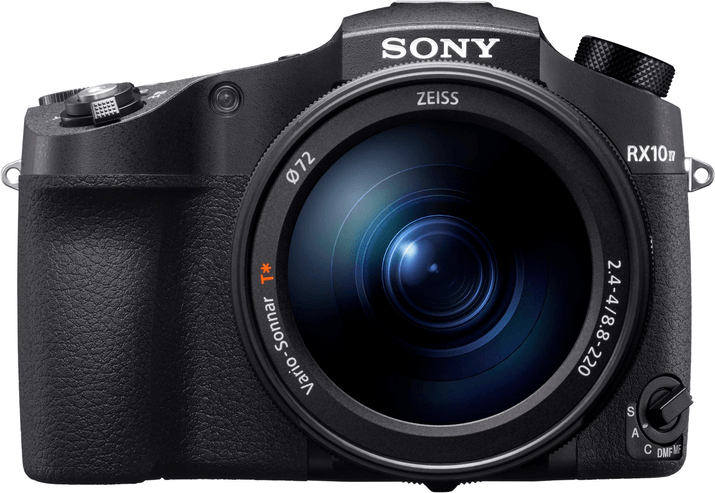
- Resolution
- 20 MP
- Sensor
- 1"
- Video
- 4K
- Weight
- 1095 g
Highlights
- Impressive 24 fps maximum continuous shooting speed
- Crisp image quality
- Unrivaled lens for a bridge camera
- Incredible 24-600mm zoom range
- 4K video quality
Trade-Offs
- Expensive price tag
- Not an interchangeable lens camera
- No attached ND filter
- Slow autofocus in video mode
- Heavy for a compact camera
Professional Camera Options
If you’re a professional photographer, there’s really no alternative to a full frame camera. They provide the needed resolution, frame rate, and AF system.
As you might expect, the top three on the market come from Sony, Nikon, and Canon.
Sony a1
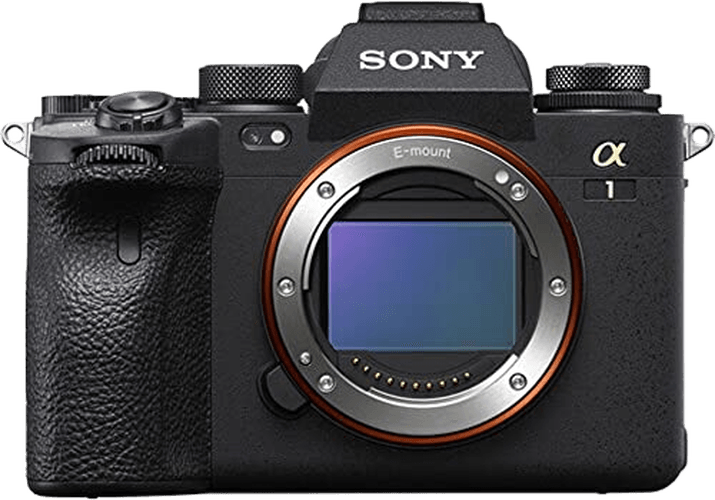
- Resolution
- 50.1 MP
- Sensor
- Full Frame
- Video
- 8K
- Weight
- 737 g
Highlights
- Large sensor captures tons of detail
- High frame rate of 30 fps
- Eye tracking (human, animal, and bird)
- Easy customization
- Silent shooting for quiet situations
- Incredible 8K/30p Ultra HD video
Trade-Offs
- Expensive
- Highest frame rates only for JPEG, HEIF, and lossy compressed RAW files
- Eye tracking only selected manually
- Small rear LCD screen
- No GPS
Nikon Z9
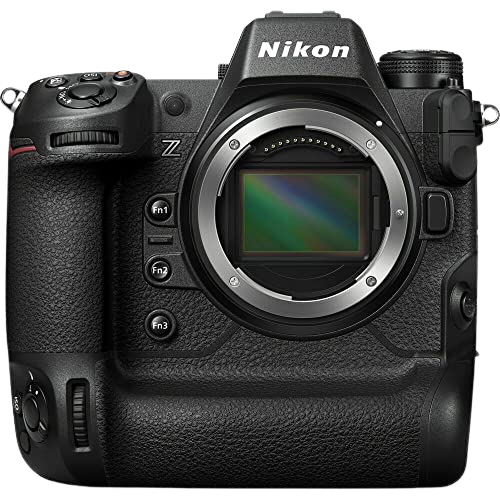
- Resolution
- 46 MP
- Sensor
- Full Frame
- Video
- 8K
- Weight
- 1340 g
Highlights
- Ultra-fast image processor
- High, 120 fps compressed frame rate
- No visible rolling shutter
- Excellent battery life
- 8K/60p Ultra HD video
- Unlimited low-resolution recording
Trade-Offs
- Only 11 MP files at the highest frame
- You can only shoot RAW files at 20 fps
- Tracking can fail with erratic movement
- IBIS not as good as Canon R3
- Autofocus isn't as good for video
- The screen doesn't fully articulate
Canon EOS R3
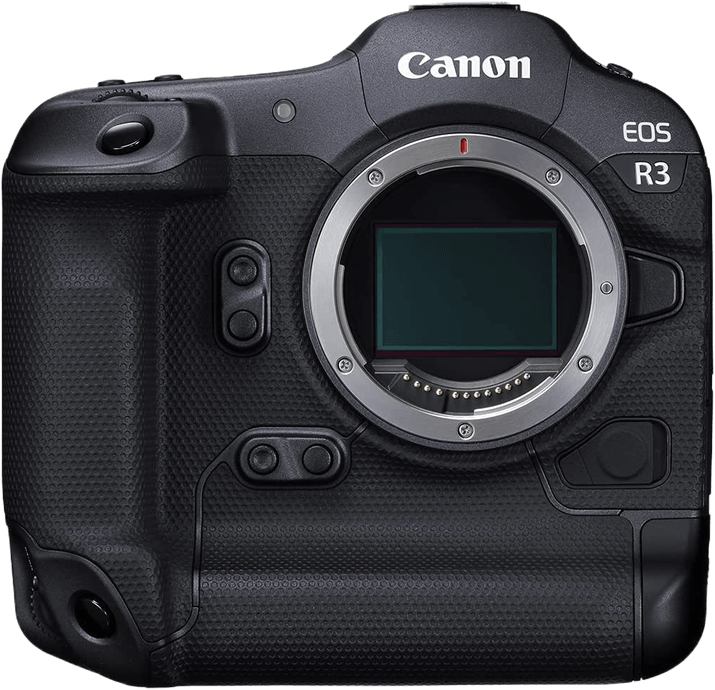
- Resolution
- 24 MP
- Sensor
- Full Frame
- Video
- 6K
- Weight
- 1015 g
Highlights
- A high frame rate of 30 fps
- Less noise with BSI stacked sensor
- 8 stops of image stabilization
- 6K / 60p RAW video
- 620-shot battery life
Trade-Offs
- Relatively expensive
- Low-resolution for some photographers
- No 8K video
- Slowed frame rate with an SD card or low battery
Our Verdict
When starting out in nature or wildlife photography, you have a difficult decision. Do you experiment by buying a cheaper camera and seeing how it goes? Or do you go all-in and buy an expensive full frame model with matching lenses?
The specifications of entry-level and professional models vary so much. You generally get what you pay for. If you can afford it, I’d go the whole hog and opt for a full frame model like the Sony a1, Nikon Z9, or Canon EOS R3. But there aren’t many beginners who can’t afford to do that.

High-end models are reserved for the pros and real enthusiasts. They offer high resolution, high frame rates, and autofocus systems that can pick out a bird’s eye at 100 yards! If that’s what you think you need, then feel free. Otherwise, you might want to stick to a budget-friendly APS-C model like the Fujifilm X-T5.
Common FAQs
Here are some frequently asked questions we get about cameras for nature photography.
Which Is the Best Camera for Nature Photography Beginners?
The APS-C format is a good compromise between functionality and price for nature photography. So the Fujifilm X-T5 is a good starter camera with excellent resolution.
You get enough features with an APS-C to experiment and discover where you want to go in your photography career without breaking the bank!
But you could upgrade to a full frame model like the Canon EOS RP. Or you can go with a cheaper one like the Olympus OM-D E-M10 IV or the Sony CyberShot DSC-RX10 IV.
Which Type of Camera is Best for Nature Photography?
All other things being equal, a full frame camera will outperform a crop sensor camera for nature photography. But it depends on what you can afford. A good APS-C or MFT camera might be better than an entry-level full frame model.
It also depends on exactly which genre you’re keen on. Resolution is important when taking shots of flowers or landscapes. But frame rate, AF, and low-light performance enter the picture for wildlife photography cameras.

What Kind of Camera is Good for Landscape Pictures?
High-resolution cameras are best for landscapes. Most landscape photographers use a tripod and set their cameras to manual or aperture priority. They set an aperture of f/16 and 100 ISO and then choose the appropriate shutter speed.
There isn’t much motion in the composition. So the shutter speed, autofocus, and frame rate aren’t as important.
What Camera Do Wildlife Photographers Use?
It depends on the photographer’s camera history. Lens compatibility is always a problem for photographers. So they tend to get stuck with a given camera brand. (But I did give up all my Nikon gear to switch to Sony mirrorless cameras!)
If you’re still unsure which camera to go for, check our guides on the best camera for bird photography or safari cameras next!