Product specifications and highlights restored from our saved catalogue records. The original article date and recommendations are unchanged.
When DSLR cameras started to become popular, mirrorless was just getting going. Electronic viewfinders (EVFs) often suffered from lag and low resolution. But those problems were solved. The best mirrorless camera offers blackout-free, silent shooting and a real-time WYSIWYG viewfinder. And that makes it much easier to adjust your camera settings in difficult light.
The basic mirrorless design makes camera bodies and lenses much smaller and lighter. They offer better autofocus systems, frame rates, shutter speeds, and video capabilities. Last year, I traded in all my Nikon camera equipment for two Sony mirrorless a1s. And I’d never go back to a DSLR camera now…

What is the Best Safari Camera to Buy?
Are you gearing up to take a safari photography trip? Here’s a quick roundup of the best cameras for an African safari.
- Sony a1
- Nikon Z9
- Canon EOS R5
- Canon EOS R3
- Sony a7R V
- Sony a9 II
- Sony a7 IV
- Nikon Z7 II
- Nikon Z6 II
- Canon EOS R6
- Olympus OM-D E-M1X
11 Best Safari Cameras to Buy (in Detail!)
Now let’s take a more detailed look so you can find the best camera for an African safari.
Sony a1
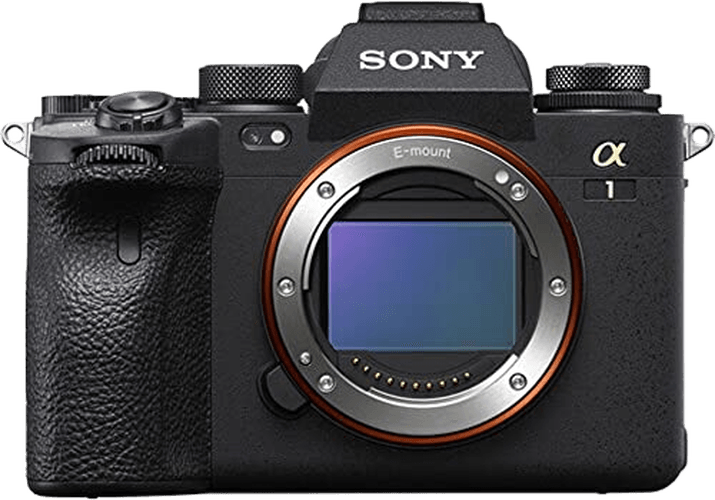
- Resolution
- 50.1 MP
- Sensor
- Full Frame
- Video
- 8K
- Weight
- 737 g
Highlights
- Large sensor captures tons of detail
- High frame rate of 30 fps
- Eye tracking (human, animal, and bird)
- Easy customization
- Silent shooting for quiet situations
- Incredible 8K/30p Ultra HD video
Trade-Offs
- Expensive
- Highest frame rates only for JPEG, HEIF, and lossy compressed RAW files
- Eye tracking only selected manually
- Small rear LCD screen
- No GPS
Nikon Z9
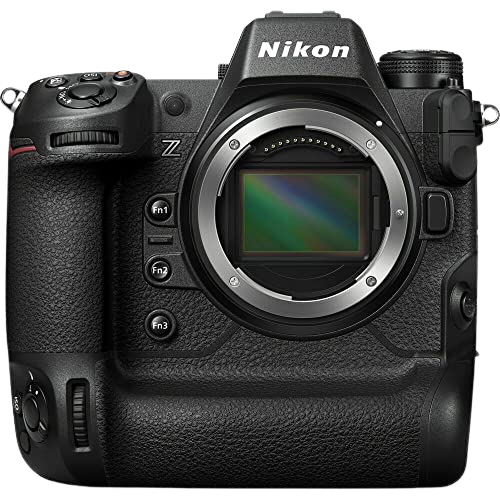
- Resolution
- 46 MP
- Sensor
- Full Frame
- Video
- 8K
- Weight
- 1340 g
Highlights
- Ultra-fast image processor
- High, 120 fps compressed frame rate
- No visible rolling shutter
- Excellent battery life
- 8K/60p Ultra HD video
- Unlimited low-resolution recording
Trade-Offs
- Only 11 MP files at the highest frame
- You can only shoot RAW files at 20 fps
- Tracking can fail with erratic movement
- IBIS not as good as Canon R3
- Autofocus isn't as good for video
- The screen doesn't fully articulate
Canon EOS R5 C
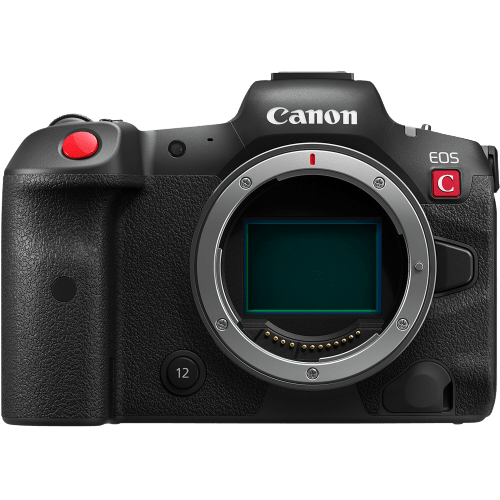
- Resolution
- 45 MP
- Sensor
- Full Frame
- Video
- 8K
- Weight
- 770 g
Highlights
- The photo/video switch allows you to easily switch between shooting modes
- 5-axis In-camera image stabilization
- Compact and lightweight
- Unlimited video recording due to built-in fan preventing overheating
- Reduced video sizes with Cinema RAW Light modes
Trade-Offs
- Expensive
- Limited native lens compatibility
- Continuous AF only covers 80% of the image sensor in video mode
- Bigger than the original EOS R5
- Must use an external battery source for the fastest shooting speeds
Canon EOS R3
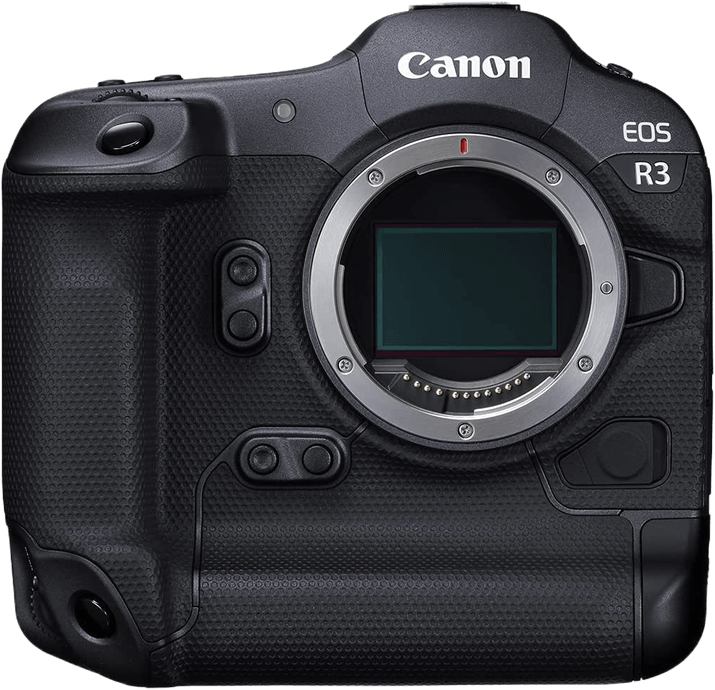
- Resolution
- 24 MP
- Sensor
- Full Frame
- Video
- 6K
- Weight
- 1015 g
Highlights
- A high frame rate of 30 fps
- Less noise with BSI stacked sensor
- 8 stops of image stabilization
- 6K / 60p RAW video
- 620-shot battery life
Trade-Offs
- Relatively expensive
- Low-resolution for some photographers
- No 8K video
- Slowed frame rate with an SD card or low battery
Sony a7R V
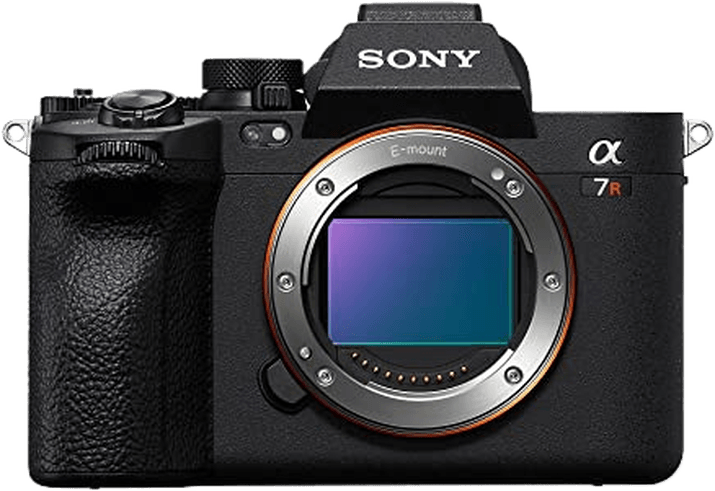
- Resolution
- 61 MP
- Sensor
- Full Frame
- Video
- 8K
- Weight
- 723 g
Highlights
- High-resolution sensor
- Automatic bird or animal eye detection
- Autofocus can track cars, trains, airplanes, and insects
- Big, bright, clear, and sharp electronic viewfinder
- 3.2-inch tilt, flip LCD screen
Trade-Offs
- Slow frame rate of only 10 fps
- Focus stacking can't be done in-camera
- No in-camera RAW processing
- May be unbalanced with a big lens
- Rolling shutter effect with 8K video
Sony a9 II
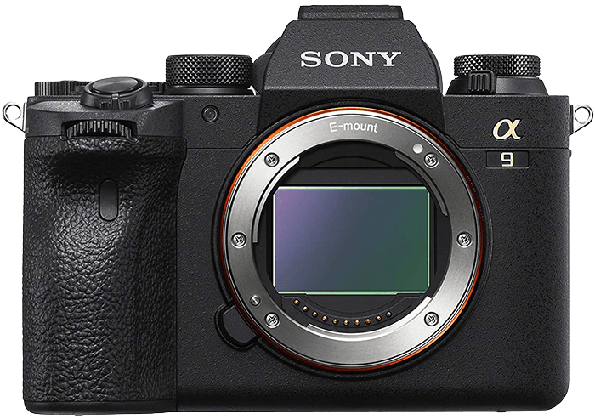
- Resolution
- 24.2 MP
- Sensor
- Full Frame
- Video
- 4K
- Weight
- 678 g
Highlights
- 20 fps maximum burst for decisive moments
- In-body stabilisation reduces camera shake
- Dual UHS-II slots double card capacity
- Weather-sealed body for outdoor shoots
- Flip-out touchscreen eases awkward angles
Trade-Offs
- No in-camera RAW image processing
- Confusing menus
- Battery performance isn't great
- No S-Log video
- Subpar video quality compared to new full-frame cameras
Sony a7 IV
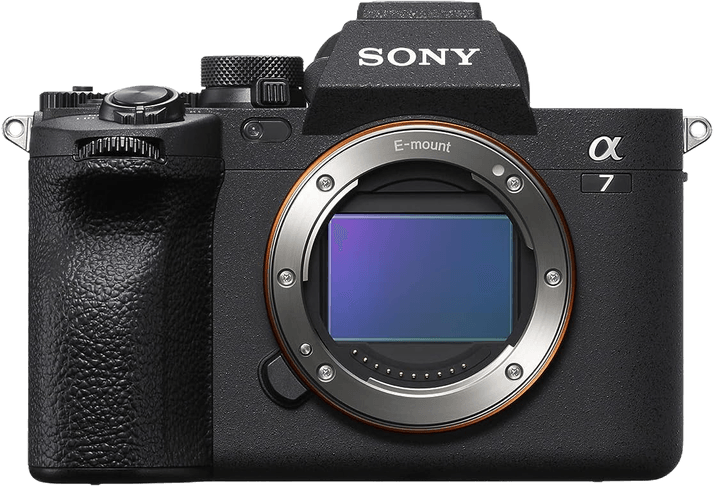
- Resolution
- 33 MP
- Sensor
- Full Frame
- Video
- 4K
- Weight
- 659 g
Highlights
- 33 megapixel full-frame sensor captures fine detail
- In-body stabilisation steadies handheld shooting
- Flip-out touchscreen helps low and high angles
- Dual slots fit CFexpress and SD cards
- 120 fps video enables slow-motion footage
Trade-Offs
- More expensive than the Sony a7 III
- 6 fps with 14-bit lossless compressed or uncompressed RAW files
- Significant distortion with moving subjects using a silent shutter
- Occasional issues with rolling shutter
- Requires a fast memory card
Nikon Z7 II
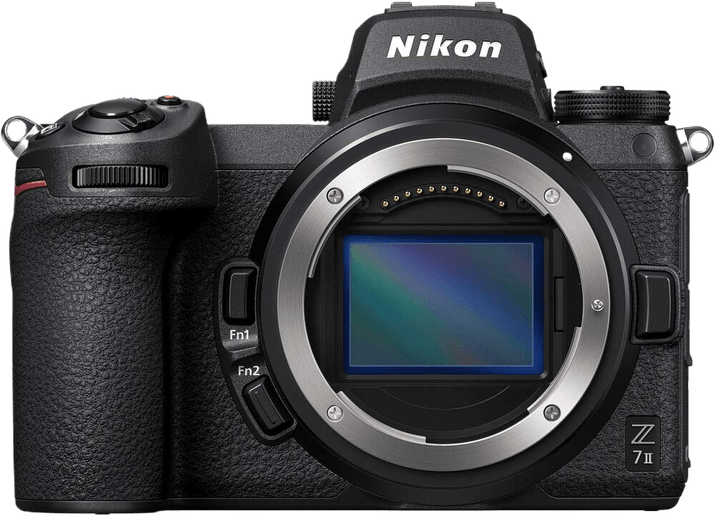
- Resolution
- 45.75 MP
- Sensor
- Full Frame
- Video
- 4K
- Weight
- 705 g
Highlights
- 45.75MP full-frame sensor gives detailed, croppable files
- In-body stabilisation steadies handheld exposures
- Dual card slots take SD and CFexpress
- 4K recording with built-in timelapse function
- Weather sealing suits outdoor shooting conditions
Trade-Offs
- Disappointing battery life of 420 shots
- Tilt screen has limited flexibility
- Limited lens range
- Slow frame rate of 10 fps in continuous shooting speed
Nikon Z6 II
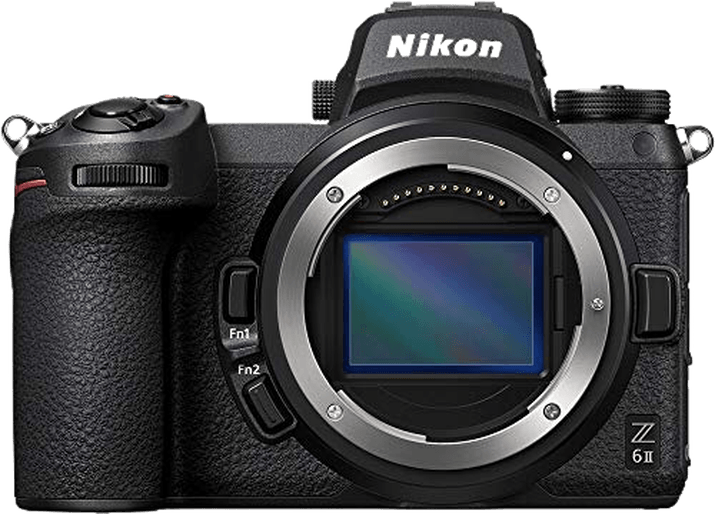
- Resolution
- 24.5 MP
- Sensor
- Full Frame
- Video
- 4K
- Weight
- 705 g
Highlights
- Full-frame sensor with in-body stabilisation
- 14 fps bursts capture fast action
- Sharp 3.69-million-dot electronic viewfinder
- Dual card slots for flexible storage
- Weather-sealed body for outdoor work
Trade-Offs
- Autofocus can be slow
- Relatively short battery life
- Lower MP count than main competitors
- Needs more customizable buttons
Canon EOS R6
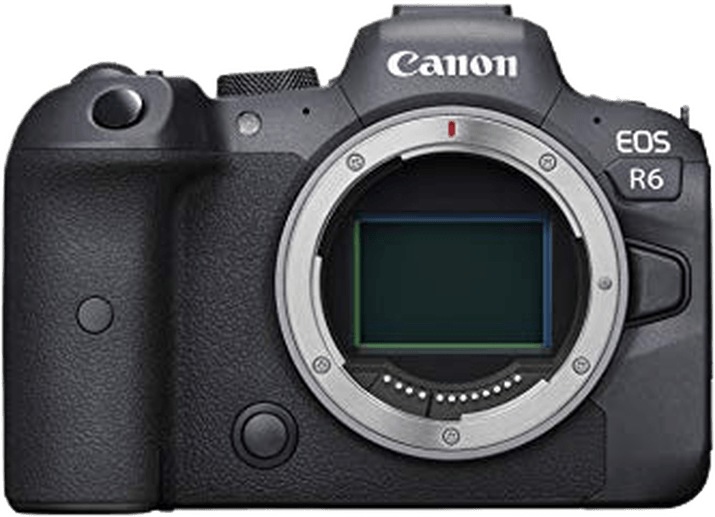
- Resolution
- 20.1 MP
- Sensor
- Full Frame
- Video
- 4K
- Weight
- 680 g
Highlights
- Up to 20 fps burst shooting
- In-body stabilisation reduces camera shake
- Flip screen eases awkward shooting angles
- Two card slots for flexible storage
- Weather sealing against dust and moisture
Trade-Offs
- Low megapixel count compared to closest competitors
- Interface is challenging to navigate
- EVF drains the battery
- Camera heats up shooting 4K / 60 fps
Olympus OM-D E-M1X
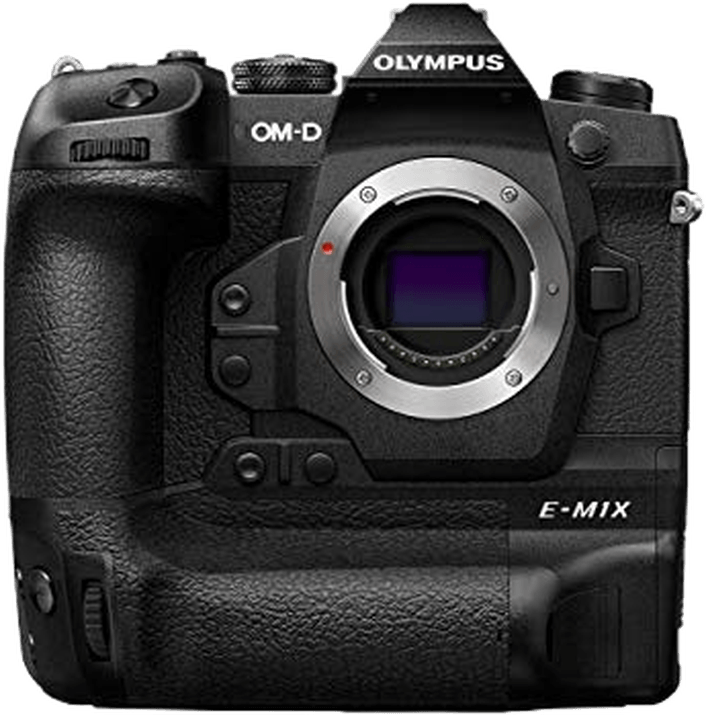
- Resolution
- 20 MP
- Sensor
- Micro Four Thirds
- Video
- 4K
- Weight
- 997 g
Highlights
- Up to 60 fps for split-second action
- In-body stabilisation steadies handheld shots
- Dual UHS-II slots extend shooting capacity
- Weather sealing protects against dust, moisture
- Flipping touchscreen helps awkward angles
Trade-Offs
- Expensive
- Sensor doesn't match up to many close competitors
- Electronic shutter might lead to rolling shutter effects and banding
- Large, heavy, hard to handle body
- Motion artifacts with Cinema 4K at 24p
Best Lenses for Safari by Brand
Here are our lens recommendations for the Sony, Nikon, Canon, and Olympus lenses we have listed. Mix and match to meet your wants and needs.
Best Sony Lenses for Safari Photography
Sony has been making full frame mirrorless lenses since 2013. And it gives third-party brands access to its E-mount specs. That means there’s a wide range of native options available.
My “go-to” lenses are Sony’s FE 400mm f/2.8 GM and the FE 600mm f/4 GM prime lenses. They both have wide max apertures for good bokeh and excellent low-light capability. I usually go on game drives with those two fitted to my cameras.
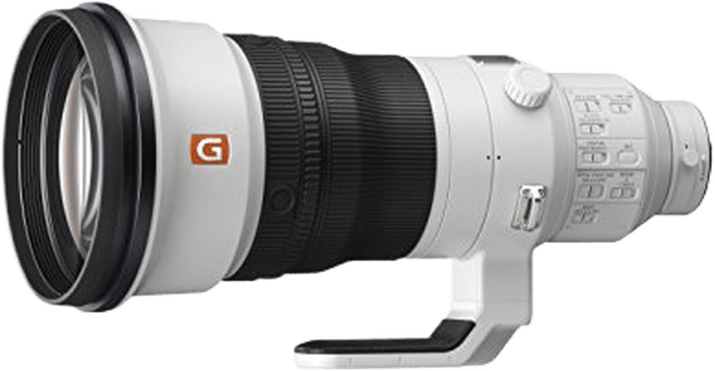
But there are times when you need a wide-angle lens. An example is photographing elephants from close range. I just came back from Botswana. And I definitely needed my FE 24-70mm f/2.8 GM II and FE 70-200mm f/2.8 ED GM OSS zoom lenses for the Chobe riverboat rides.
Best Nikon Lenses for Safari Photography
Nikon has fewer mirrorless lenses than Sony. But Nikon’s Z 400mm f/2.8 TC VR S and the new Nikon Z 600mm f/4 TC VR S match the Sony versions’ max aperture and come with built-in 1.4x teleconverters. They’re also light enough that you don’t need a tripod. (My old 800mm was a real beast. And it was impossible to handhold for more than a few seconds!)
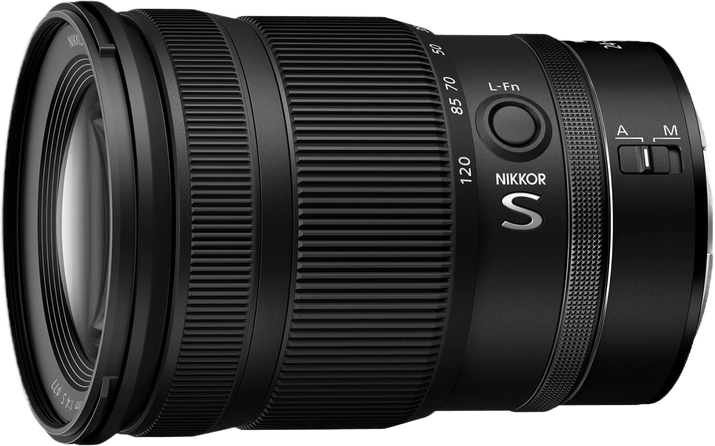
Nikon NIKKOR Z 24-120mm F/4 S
For constant wide aperture, close-focusing and edge-to-edge sharpness
Nikon’s Z 100-400mm f/4.5-5.6 VR S closely matches my old 80-400mm. And that makes it a good companion for a 600mm or 800mm lens.
But if you’re looking for a shorter focal length with macro-style capability, there’s Nikon’s Z 24-120mm f/4 zoom lens. Or there are various S-line f/1.8 primes from 20 to 35mm.
Best Canon Lenses for Safari Photography
Canon has a huge range of lenses. But they’re playing catch-up with Sony in terms of native mirrorless lenses.
The Canon EF 100-400mm f/4.5-5.6L IS II USM is a flexible zoom lens. And there are RF-mount versions of its 400, 600, 800, and 1200mm lenses. Canon recently brought out two affordable 600mm and 800mm f/11 lenses. These use diffractive optics.
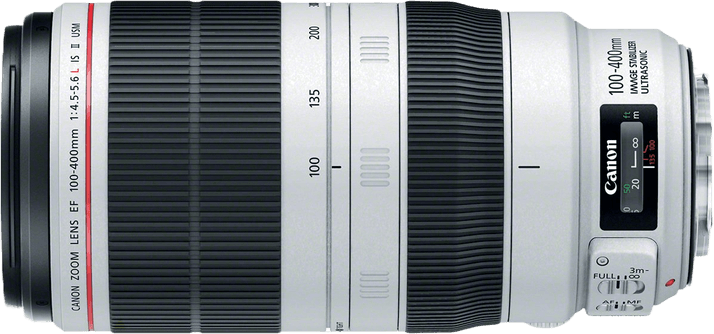
Canon’s professional range is the L-series. With the RF mount, you can get several wide-angle zoom lenses in that range. This includes the RF 15-35mm f/2.8L IS USM and the RF 24-70mm f/2.8L IS USM.
USM stands for UltraSonic Motor. And Nano USM lenses are faster, quieter, and smoother than plain USM or Stepping Motor (STM) lenses.
Best Olympus Lenses for Safari Photography
Olympus makes many camera lenses. And you won’t go far wrong with something in their PRO series. These include the following:
- Olympus 7-14mm f/2.8 PRO versatile wide-angle zoom lens
- Olympus 12-100mm f/4 IS PRO IS rugged zoom with stabilization
- Olympus 40-150mm f/2.8 PRO full-featured zoom
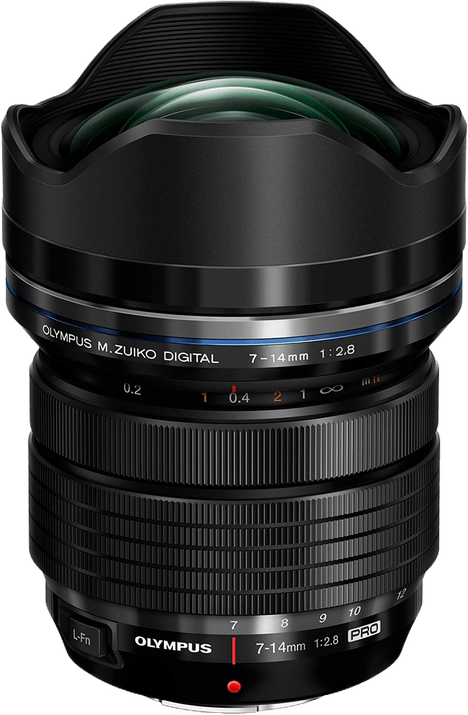
Olympus ED 7-14mm f/2.8 PRO
A lightweight, fast lens. It delivers great contrast and sharpness.
But third-party manufacturers also offer compatible lenses. Panasonic has teamed up with Leica to produce various lenses. These include the following Micro Four Thirds lenses:
- Panasonic Lumix G 8-18mm f/2.8-4 high-performance wide-angle
- Panasonic Lumix G 50-200mm f/2.8-4 O.I.S high-end telephoto
- Panasonic Lumix G 100-400mm f/4-6.3 superzoom telephoto lens
Note that the crop factor of Micro Four Thirds cameras is 2.0x. So the focal length has to be doubled to match the equivalent on a full frame camera.
Our Verdict
Whether you prefer full frame, APS-C, or Micro Four Thirds… the best cameras for safari these days are generally mirrorless. If you have the budget, the Sony a1, Nikon Z9, and Canon R5 offer unbeatable specs. They have high resolution, fast frame rates, and deep buffers. The AI-assisted autofocus lets you choose a focus point right across the frame. Or you can lock onto your subject’s eye without even being told what to do! That’s something even the best DSLR cameras will never manage.
Further down our list, there are plenty of other options from the big three camera brands. And Olympus has also carved out a nice niche in Micro Four Thirds cameras. And they’re packed with handy features.
FAQs for Safari Cameras and Lenses
Here are some of the more common questions about cameras and lenses for safaris.
What Type of Camera is Best for Safari?
There are the key specs for the best safari camera. They include resolution, frame rate, buffer size, autofocus, and low-light performance. There are often trade-offs, especially between resolution and frame rate. But modern mirrorless cameras such as the Sony a1 have begun to offer everything you need—at a price!
Are Mirrorless Cameras Good for Safari?
Yes. A mirrorless camera offers a higher frame rate and max shutter speed than a DSLR camera. And they have deeper buffers and better autofocus performance. That includes eye detection for animals, birds, and even insects! The camera body and lenses also tend to be smaller and lighter. This is a real benefit given the 15 kg weight limit for many local flights in Africa.

What is the Best Way to Take a Picture on Safari?
Get down to eye level. But that’s a bit difficult if you’re sitting in a jeep! Also, go on game drives at sunrise and sunset for the warmest light at “golden hour.” I use Manual mode with Auto ISO and shoot wide open for camera settings. My shutter is normally 1/1000 s for animals and 1/3200 s for birds… unless I’m planning on a “trick shot” such as a slow pan.
Is a GoPro good for a Safari?
A GoPro camera is excellent for video. But it’s designed for adventure sports rather than wildlife. A GoPro can take still photos. But it doesn’t give you many setting controls. And the fixed lens can only take wide-angle shots. That might work if you get up close and personal with an elephant. But it won’t generally be suitable for small or distant animals and birds.
Is a SmartPhone Good to Have on Safari?
Yes. Many devices, including smartphones, are featuring new technology. So even my iPhone can manage 4K video these days. And it’s often said that the best camera is the one you have with you. So it’s always in my pocket! But you’ll probably want a different main safari camera than a GoPro or smartphone.
Still not sure which safari camera to buy? Check out our posts on the best camera for bird photography or outdoor photography cameras next!