Product specifications and highlights restored from our saved catalogue records. The original article date and recommendations are unchanged.
I sympathize. I was in the same boat last year. I decided to switch from a DSLR camera to a mirrorless for bird photography. I read so much about mirrorless cameras. And I saw so many YouTube videos on their amazing tracking ability. I was aching to buy one!
I eventually chose a pair of Sony a1 full frame cameras. They escape the usual trade-off between sensor size and frame rate. They also offer market-leading eye detection and subject tracking. That makes them the very best cameras for wildlife photography. Since then, I’ve taken several photographic trips to Canada, Antarctica, and Africa. And I haven’t changed my mind!
Buying a camera is a bit like buying a car. Not everyone wants or can afford a Ferrari or a Lamborghini. There’s still a place for a Nissan or a Toyota. Maybe you’re happier with a DSLR. Or maybe you want to lighten the load with an APS-C camera or a superzoom. That’s fine. I just hope this article helps you make up your mind.
If you’re new to cameras or bird photography, scroll to the end of the article. We have a general buying guide. And we break down what features to look for when choosing the best camera for bird photography.
What’s the Best Bird Photography Camera to Buy?
Before we discuss each camera in detail, here are my recommended best cameras for bird photography.
Best Cameras for Bird Photography to Buy (in Detail!)
Let’s dive into the list to find the best camera for bird photography for you! We see how cameras stack up to our top choice and their competitors.
Sony a1
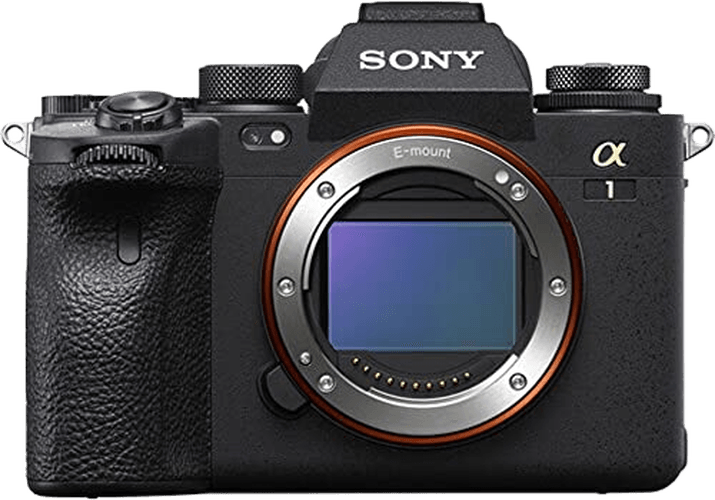
- Resolution
- 50.1 MP
- Sensor
- Full Frame
- Video
- 8K
- Weight
- 737 g
Highlights
- Large sensor captures tons of detail
- High frame rate of 30 fps
- Eye tracking (human, animal, and bird)
- Easy customization
- Silent shooting for quiet situations
- Incredible 8K/30p Ultra HD video
Trade-Offs
- Expensive
- Highest frame rates only for JPEG, HEIF, and lossy compressed RAW files
- Eye tracking only selected manually
- Small rear LCD screen
- No GPS
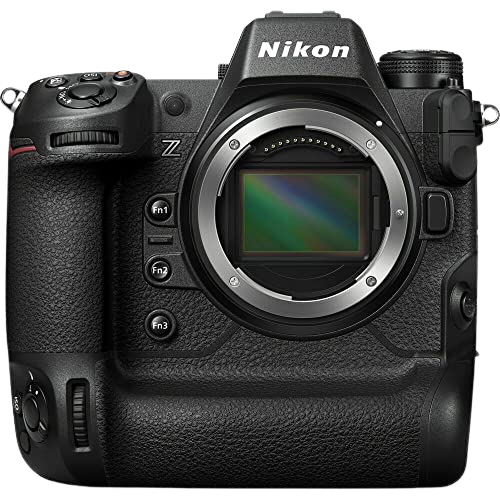
Nikon Z9
- Resolution
- 46 MP
- Sensor
- Full Frame
- Video
- 8K
- Weight
- 1340 g
Highlights
- Ultra-fast image processor
- High, 120 fps compressed frame rate
- No visible rolling shutter
- Excellent battery life
- 8K/60p Ultra HD video
- Unlimited low-resolution recording
Trade-Offs
- Only 11 MP files at the highest frame
- You can only shoot RAW files at 20 fps
- Tracking can fail with erratic movement
- IBIS not as good as Canon R3
- Autofocus isn't as good for video
- The screen doesn't fully articulate
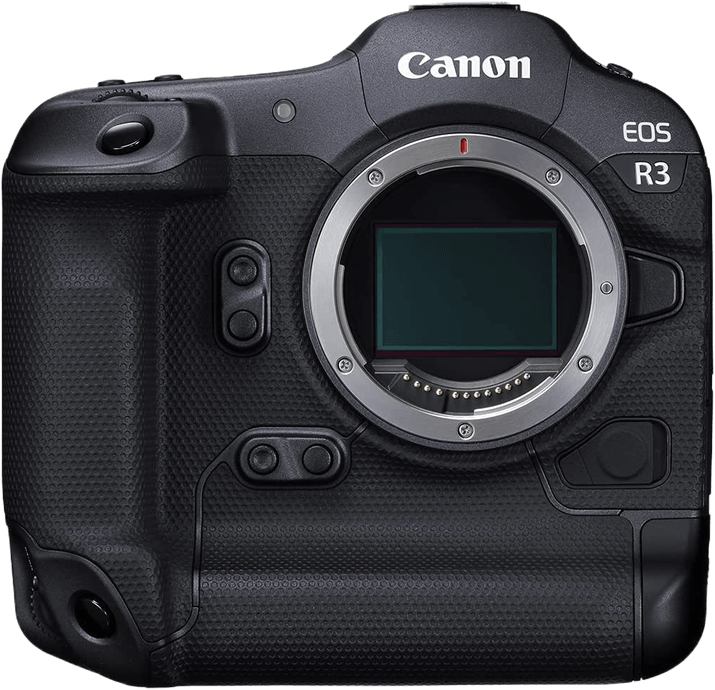
Canon EOS R3
- Resolution
- 24 MP
- Sensor
- Full Frame
- Video
- 6K
- Weight
- 1015 g
Highlights
- A high frame rate of 30 fps
- Less noise with BSI stacked sensor
- 8 stops of image stabilization
- 6K / 60p RAW video
- 620-shot battery life
Trade-Offs
- Relatively expensive
- Low-resolution for some photographers
- No 8K video
- Slowed frame rate with an SD card or low battery
Canon EOS R5
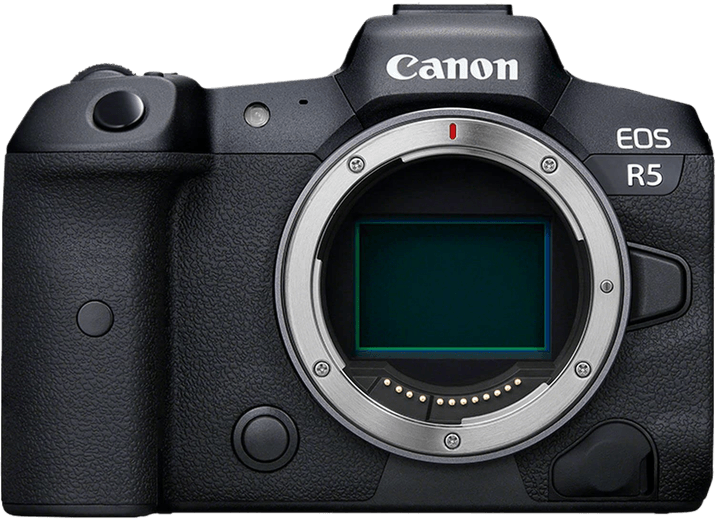
- Resolution
- 45 MP
- Sensor
- Full Frame
- Video
- 8K
- Weight
- 680 g
Highlights
- Large 45 MP sensor
- High frame rate of 20 fps
- In-Body Image Stabilization (IBIS)
- Body, face, eye, and animal tracking
- 8K/30p Ultra HD video
Trade-Offs
- Expensive
- Complicated autofocus setup
- Noise reduction applied to RAW files
- Hard to customize
- Overheats shooting video
Sony a9 II
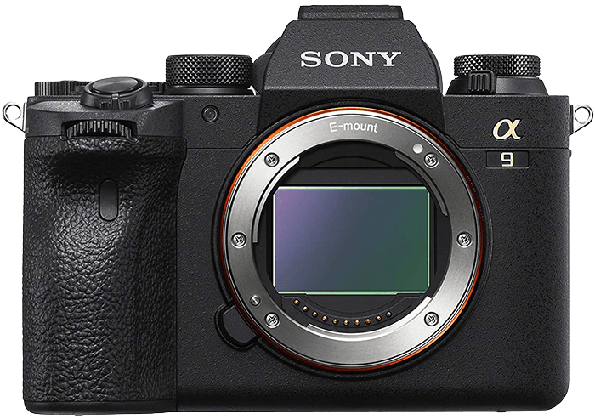
- Resolution
- 24.2 MP
- Sensor
- Full Frame
- Video
- 4K
- Weight
- 678 g
Highlights
- 20 fps maximum burst for decisive moments
- In-body stabilisation reduces camera shake
- Dual UHS-II slots double card capacity
- Weather-sealed body for outdoor shoots
- Flip-out touchscreen eases awkward angles
Trade-Offs
- No in-camera RAW image processing
- Confusing menus
- Battery performance isn't great
- No S-Log video
- Subpar video quality compared to new full-frame cameras
Sony a7R IV
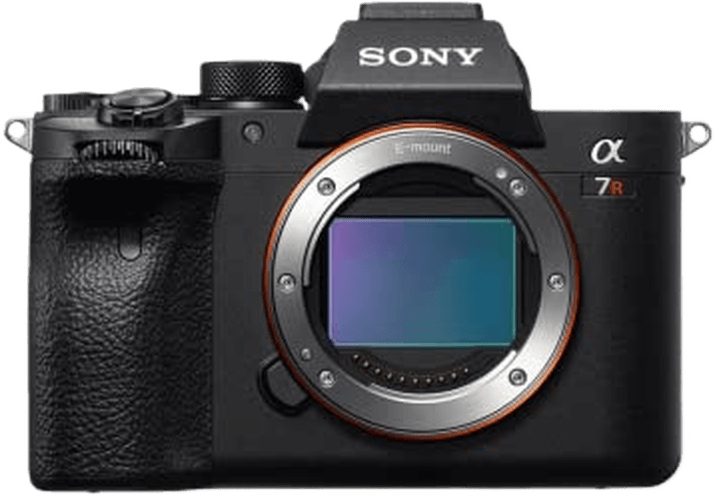
- Resolution
- 61.2 MP
- Sensor
- Full Frame
- Video
- 4K
- Weight
- 665 g
Highlights
- 61-megapixel sensor delivers high resolution
- In-body stabilisation steadies handheld shots
- Dual card slots double in-camera storage
- Flip-out touchscreen eases awkward shooting angles
- Weather sealing supports outdoor photography
Trade-Offs
- Long write times
- Poor AF at high frame rates
- No pixel-shift motion compensation
- Complicated menus
- Limited, laggy touchscreen functionality
Sony a7 IV
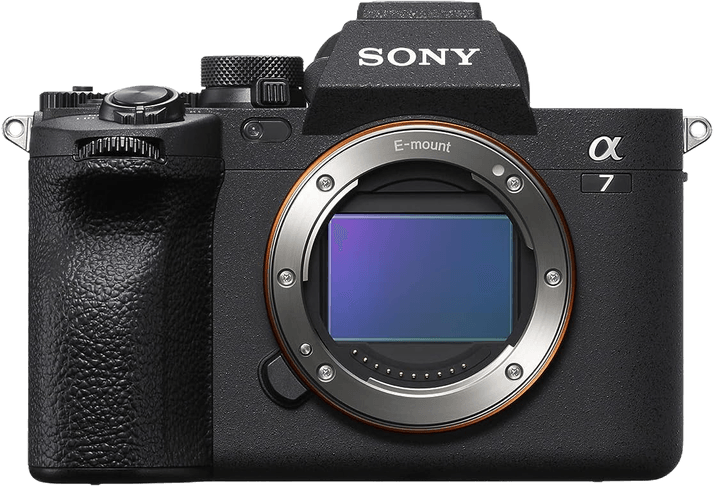
- Resolution
- 33 MP
- Sensor
- Full Frame
- Video
- 4K
- Weight
- 659 g
Highlights
- 33 megapixel full-frame sensor captures fine detail
- In-body stabilisation steadies handheld shooting
- Flip-out touchscreen helps low and high angles
- Dual slots fit CFexpress and SD cards
- 120 fps video enables slow-motion footage
Trade-Offs
- More expensive than the Sony a7 III
- 6 fps with 14-bit lossless compressed or uncompressed RAW files
- Significant distortion with moving subjects using a silent shutter
- Occasional issues with rolling shutter
- Requires a fast memory card
Canon EOS R7
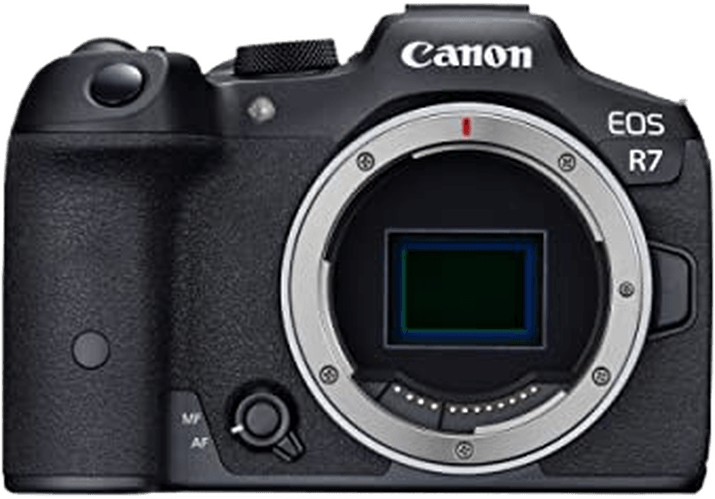
- Resolution
- 33 MP
- Sensor
- APS-C
- Video
- 4K
- Weight
- 612 g
Highlights
- 30 fps burst mode with electronic shutter
- 5-axis sensor-shift image stabilization
- Fully articulating touch screen
- Unlimited, oversampled 4K video
- Animal eye-detect AF for wildlife and pets
Trade-Offs
- Fiddly AF joystick and exposure compensation dial
- Easy to change power switch to video by accident
- No built-in flash
- Limited range of native lenses
- Rolling shutter effect shooting video
Nikon Z7 II
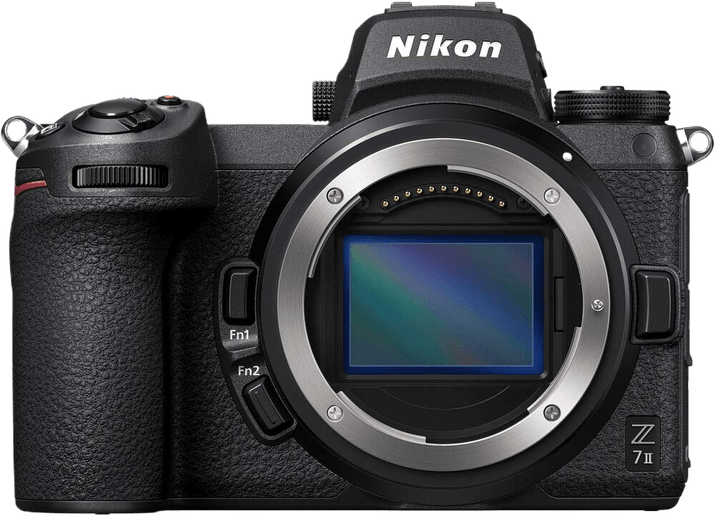
- Resolution
- 45.75 MP
- Sensor
- Full Frame
- Video
- 4K
- Weight
- 705 g
Highlights
- 45.75MP full-frame sensor gives detailed, croppable files
- In-body stabilisation steadies handheld exposures
- Dual card slots take SD and CFexpress
- 4K recording with built-in timelapse function
- Weather sealing suits outdoor shooting conditions
Trade-Offs
- Disappointing battery life of 420 shots
- Tilt screen has limited flexibility
- Limited lens range
- Slow frame rate of 10 fps in continuous shooting speed
Canon EOS R6
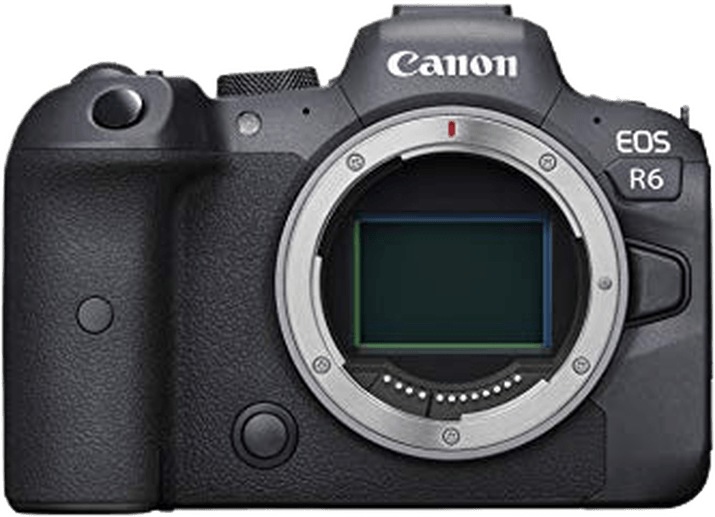
- Resolution
- 20.1 MP
- Sensor
- Full Frame
- Video
- 4K
- Weight
- 680 g
Highlights
- Up to 20 fps burst shooting
- In-body stabilisation reduces camera shake
- Flip screen eases awkward shooting angles
- Two card slots for flexible storage
- Weather sealing against dust and moisture
Trade-Offs
- Low megapixel count compared to closest competitors
- Interface is challenging to navigate
- EVF drains the battery
- Camera heats up shooting 4K / 60 fps
Nikon D850
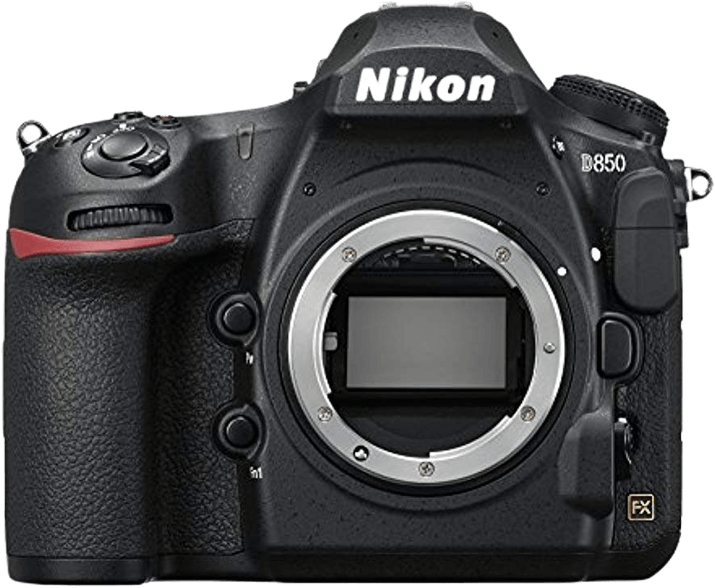
- Resolution
- 45.7 MP
- Sensor
- Full Frame
- Video
- 4K
- Weight
- 1005 g
Highlights
- Fantastic overall image quality
- Excellent 3D continuous AF tracking
- Long, 1,840-shot battery life
- Durable, weather-sealed construction
- Sharp 4K/30p Ultra HD video
Trade-Offs
- No customizable shooting presets
- Slow autofocus in Live View
- Needs an expensive XQD card
- Rolling shutter noticeable in 4K video
- Slow 7 fps or 9 fps with an expensive battery grip
Nikon D6
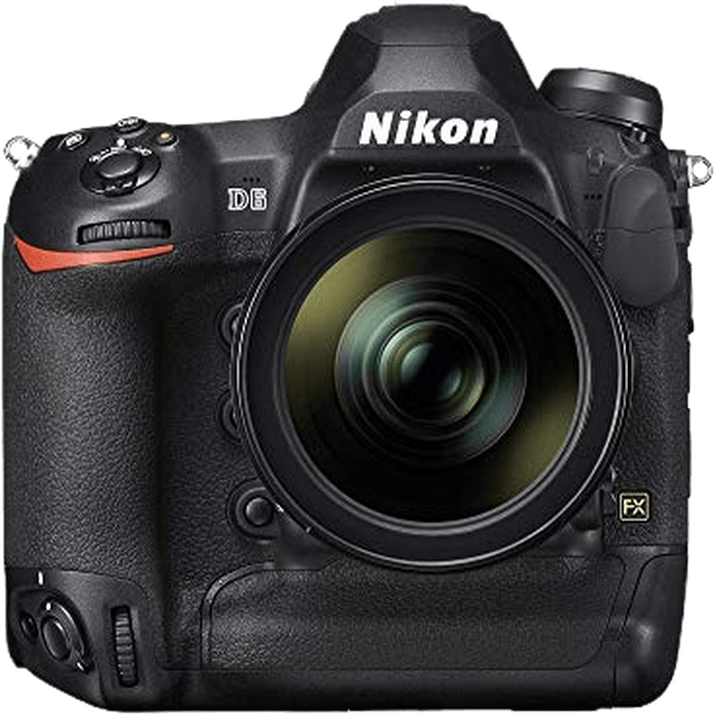
- Resolution
- 20.8 MP
- Sensor
- Full Frame
- Video
- 4K
- Weight
- 1450 g
Highlights
- Full-frame 20.8 megapixel CMOS sensor
- Up to 14 fps burst shooting
- Battery rated at 3580 shots
- Dual CFexpress and XQD slots
- Weather-sealed body with built-in GPS
Trade-Offs
- Very expensive camera
- No sensor-shift image stabilization
- Heavy camera body
- Fixed rear viewing screen
- Short 4K video recording time limit
Canon EOS 1D X Mark III
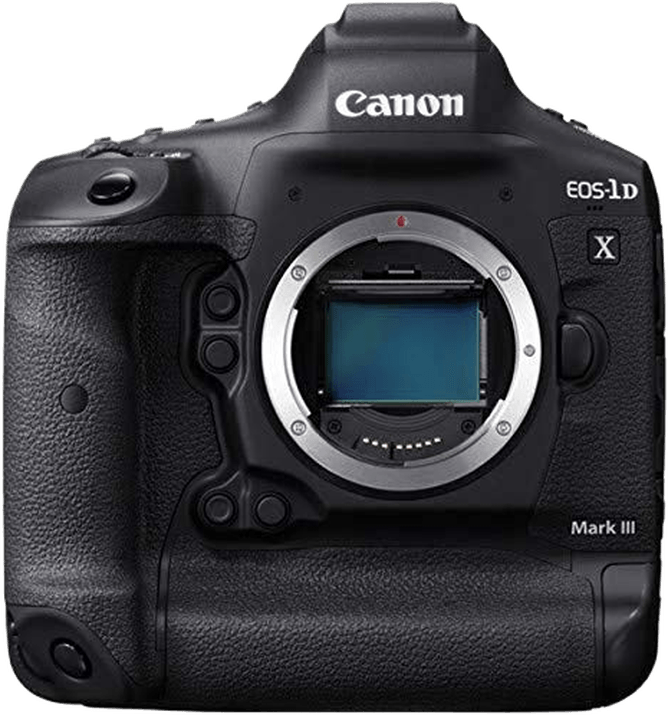
- Resolution
- 20.1 MP
- Sensor
- Full Frame
- Video
- 4K
- Weight
- 738 g
Highlights
- Excellent low-light capabilities
- Dual Pixel AF and AI detection
- Fantastic buffer for continuous shots
- High frame rate for video recording
- Great battery life
Trade-Offs
- Relatively expensive
- Lower megapixel count than closest competitors
- No in-body image stabilization
- A heavy camera body
Fujifilm X-T4
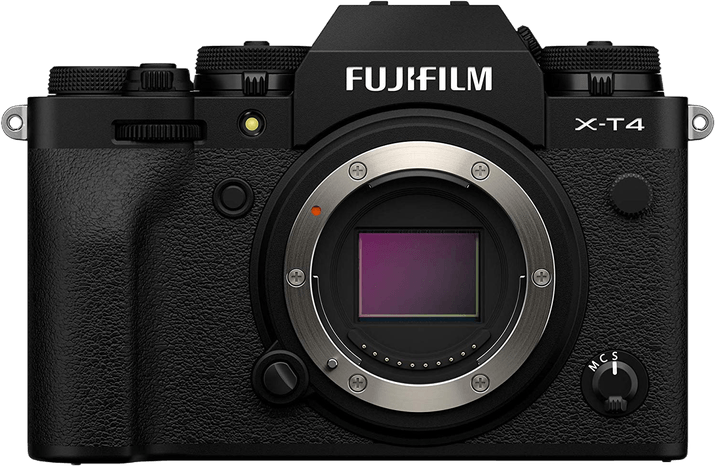
- Resolution
- 26 MP
- Sensor
- APS-C
- Video
- 4K
- Weight
- 607 g
Highlights
- In-body stabilisation steadies handheld shooting
- Bursts reach up to 20 fps
- Flip-out touchscreen eases awkward shooting angles
- Dual UHS-II card slots add storage capacity
- Weather-sealed body for outdoor shooting
Trade-Offs
- Expensive for an APS-C camera
- Autofocus speed and accuracy depends on the lens and the subject
- Unreliable face and eye detection
- No external battery charger provided
- Limited video recording time
- No subject tracking in video mode
Canon EOS 5D Mark IV
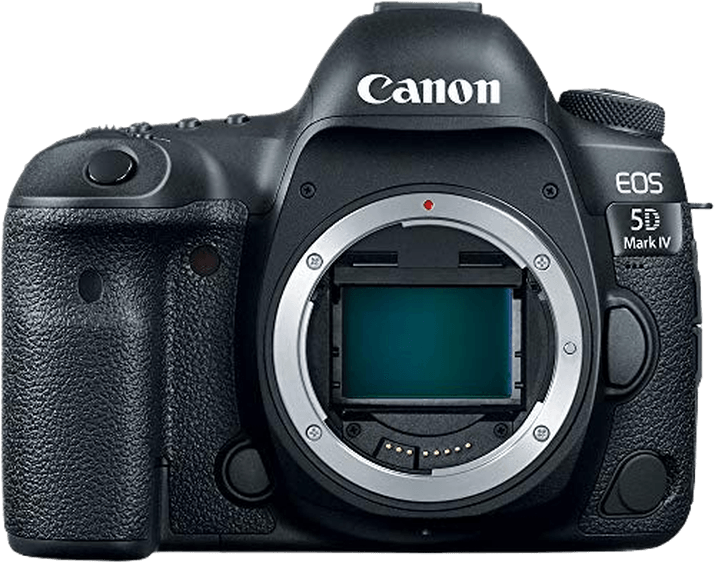
- Resolution
- 30.4 MP
- Sensor
- Full Frame
- Video
- 4K
- Weight
- 890 g
Highlights
- Quality sensor produces detailed and vibrant images even at high ISOs
- Dual Pixel AF with eye detection
- User-friendly touch-to-focus screen
- 900-shot battery life
- Cinema-quality (DCI) 4K video
Trade-Offs
- Unreliable, imprecise subject tracking
- Limited dynamic range
- No in-body stabilization
- No bluetooth
- 64x crop factor with 4K video
Nikon D500
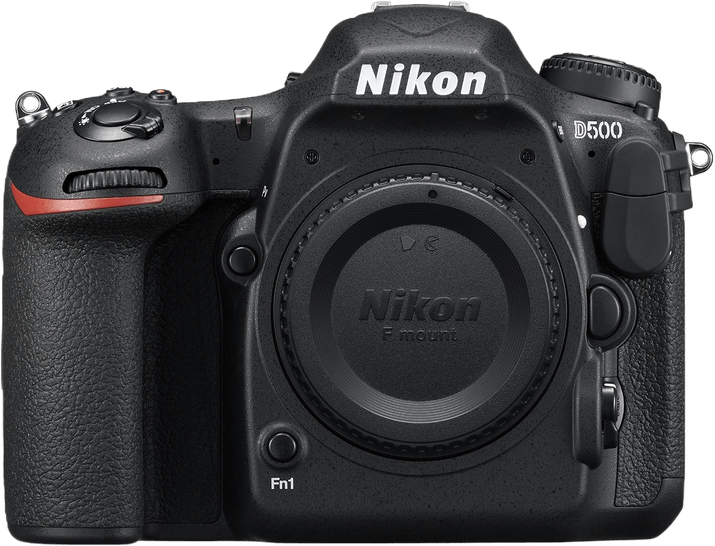
- Resolution
- 20.9 MP
- Sensor
- APS-C
- Video
- 4K
- Weight
- 860 g
Highlights
- Excellent low-light performance
- 10 fps RAW burst with 200-image limit
- Weather-sealed body
- Long-lasting battery life
- 4K video with ports for external sound recording
Trade-Offs
- Low resolution for an APS-C Sensor
- No advanced bird or animal AF
- Slow AF in Live View
- Heavy DSLR body
- 4K video is cropped
Olympus OM-D E-M1X
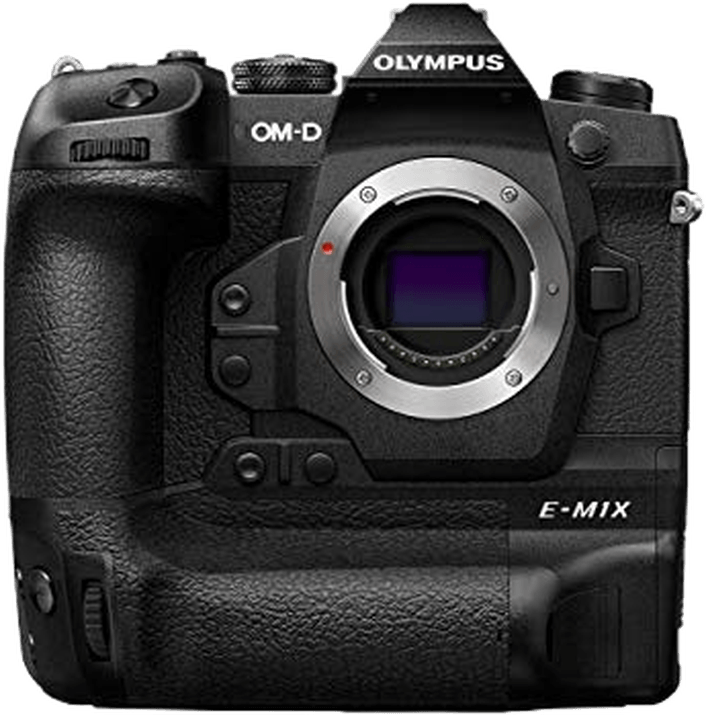
- Resolution
- 20 MP
- Sensor
- Micro Four Thirds
- Video
- 4K
- Weight
- 997 g
Highlights
- Up to 60 fps for split-second action
- In-body stabilisation steadies handheld shots
- Dual UHS-II slots extend shooting capacity
- Weather sealing protects against dust, moisture
- Flipping touchscreen helps awkward angles
Trade-Offs
- Expensive
- Sensor doesn't match up to many close competitors
- Electronic shutter might lead to rolling shutter effects and banding
- Large, heavy, hard to handle body
- Motion artifacts with Cinema 4K at 24p
Sony Cyber-shot RX10 IV
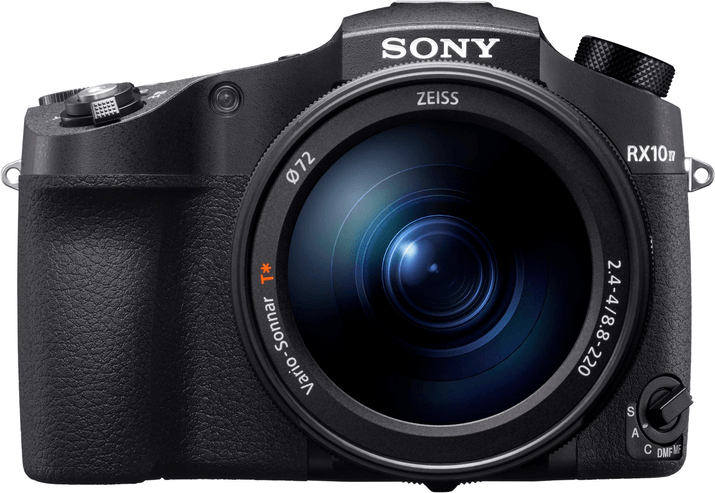
- Resolution
- 20 MP
- Sensor
- 1"
- Video
- 4K
- Weight
- 1095 g
Highlights
- Impressive 24 fps maximum continuous shooting speed
- Crisp image quality
- Unrivaled lens for a bridge camera
- Incredible 24-600mm zoom range
- 4K video quality
Trade-Offs
- Expensive price tag
- Not an interchangeable lens camera
- No attached ND filter
- Slow autofocus in video mode
- Heavy for a compact camera
Nikon Coolpix P1000
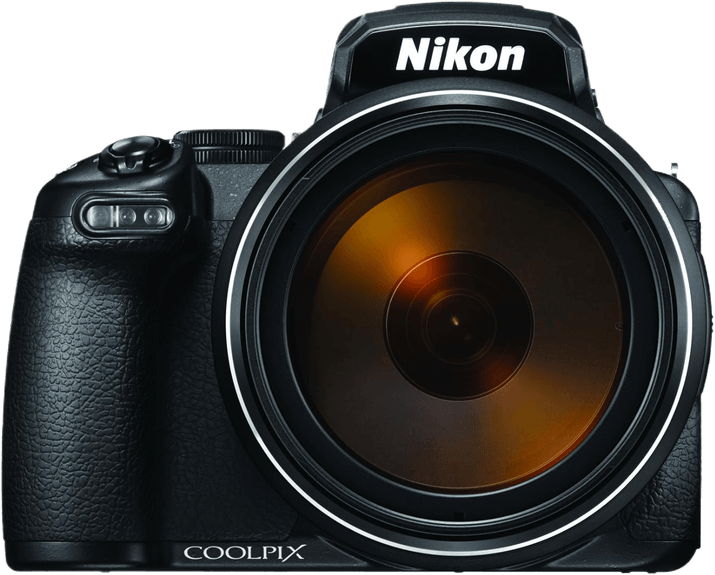
- Resolution
- 16 MP
- Sensor
- 1/2.3”
- Video
- 4K
- Weight
- 1415 g
Highlights
- In-body stabilisation steadies handheld shots
- Flip screen helps high and low angles
- Detailed electronic viewfinder for composing
- 4K video with built-in timelapse
- USB charging simplifies battery top-ups
Trade-Offs
- Image quality drops off at longer focal lengths
- Frame rate buffer fills quickly
- No touchscreen
- No weather sealing
- Bulky and heavy body
Our Verdict
What does the best camera for bird photography provide? It has great image quality, a fast frame rate, a large buffer, and a high maximum shutter speed. It also offers eye detection and subject tracking. And it’s all in a compact, lightweight, weather-sealed body.
This wasn’t available to bird photographers at any price in the past! However, the mirrorless revolution has come. It has brought us cameras such as the Sony a1, Nikon Z9, Canon R3, and Canon R5. So it is possible to have it all!
Sure, the Sony a1 is very expensive. However, it offers pretty much everything you need for bird photography. The equivalent Canon and Nikon cameras follow close behind.
If you can’t afford something like that, there are plenty of cheaper DSLRs. Alternatively, getting a crop sensor camera or a superzoom can save money and weight.
A Guide to Buying the Best Camera for Bird Photography
Let’s look closely at the key criteria for selecting the right bird photography cameras. Here you can decide what features you want most in

Image Quality
Having a sensor with lots of megapixels is a double-edged sword. On the one hand, you might have to sacrifice a high frame rate. And if you don’t have good camera technique, you might even have softer pictures! On the other hand, you should be able to capture much more detail and crop in if you have. And you won’t lose too much image quality.
That might seem to rule out getting a crop sensor or bridge cameras. But the advantage you get is the extra reach. Instead of cropping in editing software like Lightroom, the crop happens in the viewfinder. This can make it easier to frame your bird and wildlife photography.
Frame Rate
Beyond 10 fps, you might ask what the benefit of a higher frame rate is. From personal experience, birds in flight can move very fast and erratically. This is especially true for smaller birds. You often get 30 completely different shots at 30 fps. Some images have wings raised. Some have them lowered, and some have wings level.
You can’t predict where wings will be at the exact moment when you press the shutter. That means a higher frame rate gives you more chances to get a great shot photographing birds.

Buffer
The buffer size always limits the frame rate. Say you’re shooting at 30 fps. Then a small buffer means even the best camera will soon slow down or even stop shooting. If birds in flight last longer than a second or two, you’re out of luck!
Choosing the right camera helps. And so will buying the fastest memory card you can afford. There’s a limit to the read and write speeds of SD cards. You are much better off with a CFexpress or XQD card. The faster the camera can write to the card, the faster it can clear the buffer.
Shutter Speed
You need a high shutter speed to freeze birds in flight. With larger birds such as herons, you might be able to get away with 1/1600 s. But smaller birds might demand 1/3200 s or even faster. Top-end mirrorless cameras can shoot at 1/8000 s or even 1/64000 s with the electronic shutter. So you have plenty of room for maneuver.
Sharpness trumps everything else, so don’t worry about pushing your ISO up too far. It’s much easier to eliminate noise in post-production than to make a blurred image sharp!

Autofocus
This is one of the big advantages of a mirrorless camera for bird photography. Most have selectable focus points across more than 90% of the frame. A DSLR focuses more on the central area. So you never have to focus and recompose with mirrorless models when photographing birds.
The best cameras also offer face or eye detection and subject tracking. These are incredibly useful for bird photography. It is very helpful when trying to photograph a bird in flight.
The speed and accuracy of the mirrorless AF systems are matched by their sheer usability. You have a choice of focus areas. And the camera will choose the subject that is closest and nearest to the center. If that’s not enough, eye detection overrides that if the eye is outside the selected area. Genius!
Size and Weight
A mirrorless camera is generally smaller than a DSLR. That’s because it doesn’t have to include a mirror or pentaprism in the viewfinder. Some of the latest native telephoto lenses from Sony and Canon are also incredibly light. That means handholding at 600 mm is suddenly a lot easier to do!
Mirrorless cameras have had a problem with battery life because of the need to power the EVF. It meant you needed a heavy battery grip to allow you to keep shooting. However, I’ve found my Sony a1s can shoot for far longer than the official CIPA battery life… as long as you use continuous mode. That means I can leave my battery grips at home to reduce weight.

Durability
Most top-end cameras and lenses are weather sealed these days. But it’s worth checking before you buy. Bird photography sometimes means standing outside for long periods in dust, rain, hail, or snow. You don’t want to stop shooting to keep your camera dry!