Product specifications and highlights restored from our saved catalogue records. The original article date and recommendations are unchanged.
Finding the perfect fit can be a challenge, especially if you are new to photography. That’s why we made this article!
After extensive research, I decided to create this comprehensive list of the 20 best cameras under $1000 (or close to the $1000 price tag!).
It’s a one-stop-shop for mirrorless, DSLR, and point-and-shoot options. So, regardless of what system you prefer shooting on, there’s a camera for everyone here!
Which is the Best Camera Under $1000?
Before we discuss each camera in detail, below are the 20 best cameras under $1000 (or very close!) on the market today. We have a post on the best mirrorless cameras under $1000 you can check out too!
- Fujifilm X-T30 II
- Canon EOS RP
- Panasonic Lumix G95 / G90
- Fujifilm X-T200
- Sony a6400
- Canon EOS M6 Mark II
- Nikon Z fc
- Sony a6100
- Panasonic Lumix DC-GX9
- Canon EOS M50 Mark II
- Fujifilm X-S10
- Olympus OM-D E-M10 Mark IV
- Nikon D7500
- Canon EOS Rebel T8i / 850D
- Panasonic Lumix DMC-FZ1000 II
- Canon EOS 80D
- Nikon Coolpix P950
- Panasonic Lumix DMC ZS100
- Sony a6000
- Canon PowerShot G7 X Mark III
Best Camera Under (or Around!) $1000 in 2023
Let’s jump in and discover the strengths and weaknesses of every budget camera on our list and see who benefits most from shooting with each one!
Fujifilm X-T30 II
- Resolution
- 26 MP
- Sensor
- APS-C
- Video
- 4K
- Weight
- 383 g
Highlights
- Superior image quality
- 4K video capabilities
- Lightweight, compact body
- Stylish retro design
Trade-Offs
- No in-body stabilization
- Poor ergonomics with longer lenses
- Q button awkwardly positioned
- Rear screen is not fully articulated
Pros
- Affordable
- High-quality images
- Fast 30 fps with 1.25x crop
- Small and light
- Stylish retro, black-and-silver look
Cons
- No in-body stabilization
- Poor ergonomics with longer lenses
- Q button awkwardly positioned
- Rear screen is not fully articulated
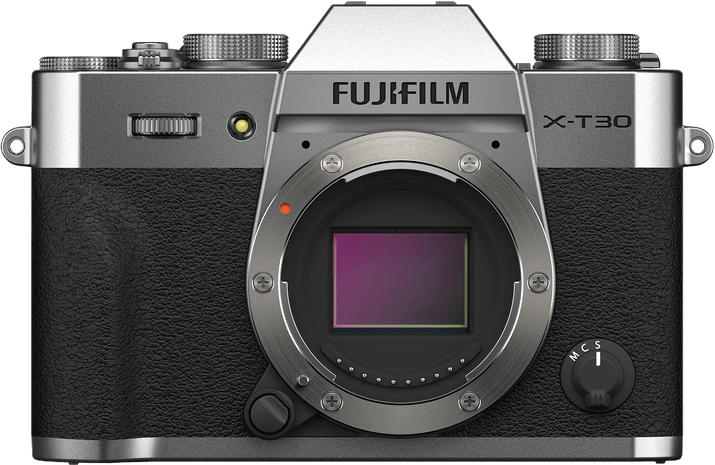
The recently unveiled Fujifilm X-T30 II is the successor to the incredibly popular Fujifilm X–T30. It boasts a high-resolution, 26.1MP, APS-C CMOS sensor and an upgraded X-4 image processor. The pair works together seamlessly to deliver stunningly sharp images and videos that rival expensive professional cameras like the Fujifilm X-T3 and the Sony Alpha a7 III.
Taking a closer look at how it functions as a video camera, the first thing that stands out is the impeccable resolution of its 4K video. The quality is high because it first captures the footage using a 6K signal before oversampling it and outputting it in 4K.
A few other noteworthy features of this fantastic camera include lightning-fast autofocus, strong ergonomics, and beautiful out-of-the-box colors. While some cameras below beat the X-T30 in one way or another, no other digital camera under $1000 can match its full arsenal of advanced photo and video features!
Canon EOS RP
- Resolution
- 26 MP
- Sensor
- Full Frame
- Video
- 4K
- Weight
- 440 g
Highlights
- The cheapest full-frame mirrorless on the market
- Bright and bold Canon colors
- 4K video recording
- Weather-sealed body
Trade-Offs
- 5 fps max burst is slow compared to competitors
- Relatively poor 250-shot battery life
- Doesn't function while charging
- 4K video is cropped 1.6x
Pros
- Affordable full-frame mirrorless
- Lightweight and easy to handle
- Macro stacking and time-lapse
- Convenient Wi-Fi and Bluetooth
- Nice 4K video performance
Cons
- 5 fps max burst is slow compared to competitors
- Relatively poor 250-shot battery life
- Doesn't function while charging
- 4K video is cropped 1.6x
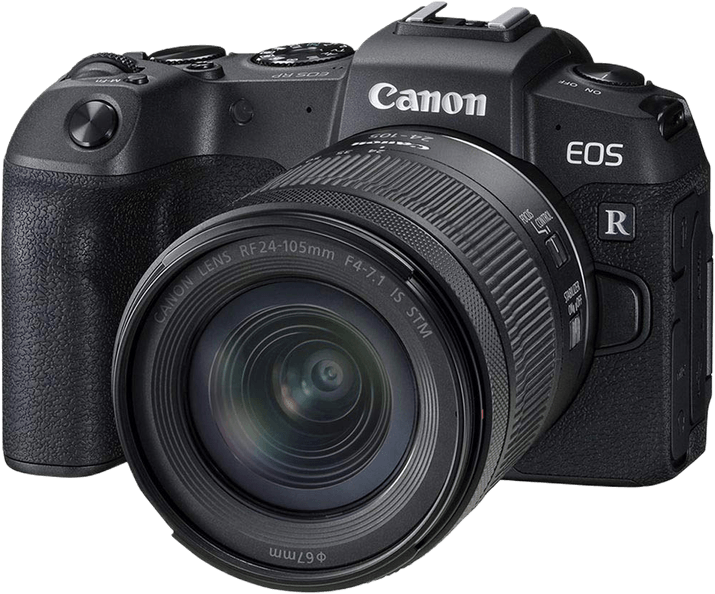
Following the releases of the Canon EOS R5 and EOS R6, the price of the Canon EOS RP dropped dramatically. As things currently stand, it’s the only full-frame mirrorless camera priced under $1000, making it one of the best deals in the camera world.
It features a 26.2MP, full-frame sensor and a DIGIC 8 image processor. The most significant advantage of having the larger sensor is shooting in low-light conditions, like sunrises and sunsets. And using the Canon EOS RP, you can expect to shoot noise-free images up to ISO 6400.
Another reason people love this camera, especially travel and adventure photographers, is its size. At 133x85x70mm and weighing only 485g, it’s one of the lightest and most compact full-frame cameras ever built.
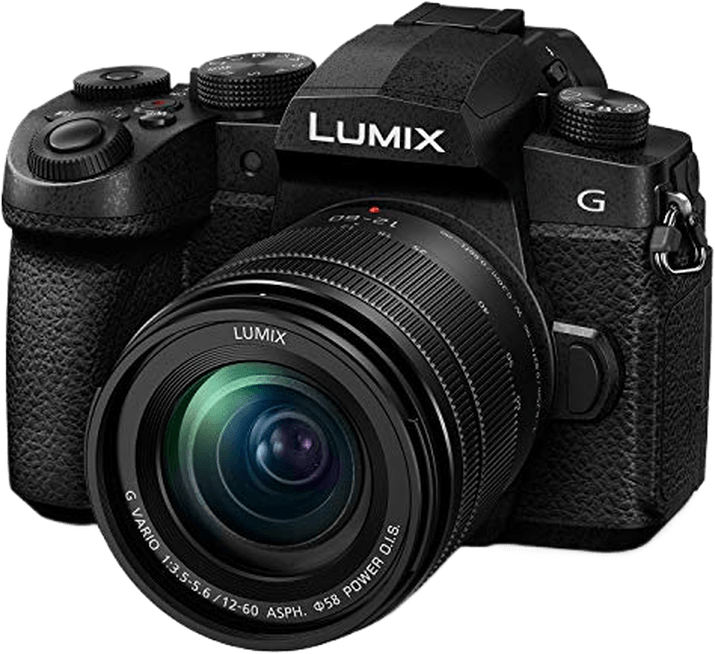
Panasonic Lumix G95 / G90
- Resolution
- 20 MP
- Sensor
- Micro Four Thirds
- Video
- 4K
- Weight
- 536 g
Highlights
- 5-axis image stabilization
- Unlimited recording time
- Weather-sealed body
- Fully articulating touchscreen LCD
Trade-Offs
- Large for a Micro Four Thirds camera
- 4K recording applies a 1.25x crop
- No autofocus during high frame-rate video capture
- Occasional rolling shutter issues in 4K
- It doesn’t include a standalone charger
Pros
- 5-axis sensor-sift image stabilization
- Fully articulating touchscreen LCD
- Sharp 4K video and photos
- Unlimited recording time
- Weather-sealed camera body
Cons
- Large for a Micro Four Thirds camera
- 4K recording applies a 1.25x crop
- No autofocus during high frame-rate video capture
- Occasional rolling shutter issues in 4K
- It doesn’t include a standalone charger
The Panasonic Lumix G95 (G90 in Europe) is an intermediate camera with a 20.3MP Micro Four Thirds, CMOS sensor, and a Venus Engine image processor. With excellent photo and video quality, it’s a do-it-all camera ideal for hybrid photo and video shooters.
It’s big for a Micro Four Thirds camera due to high-end features like built-in image stabilization, a fully weather-sealed body, and additional controls. But the trade-off is well worth it!
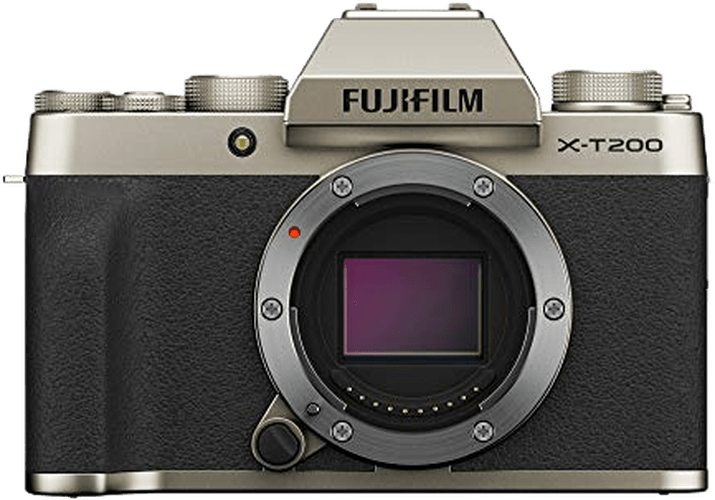
Fujifilm X-T200
- Resolution
- 24 MP
- Sensor
- APS-C
- Video
- 4K
- Weight
- 370 g
Highlights
- Great dynamic range
- 3.5" rear touchscreen LCD
- Digital gimbal stabilization
- 4K video capture
Trade-Offs
- Only 8 fps continuous shooting
- Small continuous shooting buffer
- Limited custom options
- Short 270-shot battery life
- No subject tracking shooting video
- Full HD video lacks sharpness
Pros
- Great image detail with little noise
- Good colors in JPEGs
- Helpful face and eye detection
- Large, bright touchscreen LCD
- Mic and headphone sockets
- High-quality, 4K Ultra HD video
Cons
- Only 8 fps continuous shooting
- Small continuous shooting buffer
- Limited custom options
- Short 270-shot battery life
- No subject tracking shooting video
- Full HD video lacks sharpness
The Fujifilm X-T200 packs tons of advanced controls into a small, lightweight body for an unbeatable low price. It has a high-resolution, 24.2MP, APS-C CMOS sensor that delivers stunning RAW photos with wide dynamic range levels.
The extra detail stored in the shadows and highlights will make your images pop in post-production. If you don’t plan to edit your photos, you will love the three built-in dynamic range modes available when shooting JPEGs.
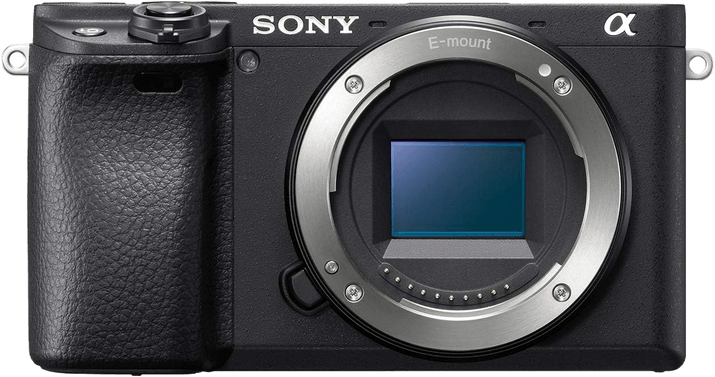
Sony a6400
- Resolution
- 24.2 MP
- Sensor
- APS-C
- Video
- 4K
- Weight
- 403 g
Highlights
- Industry-leading autofocus
- Fast continuous shooting speed
- Lightweight, compact, weather-sealed body
Trade-Offs
- No in-camera RAW image editing
- No in-body image stabilization
- Screen tilts but no further articulation
- Complicated menu system
Pros
- Superb image quality for APS-C
- Good low-light performance
- Compact camera body
- No time limit for recording video
Cons
- No in-camera RAW image editing
- No in-body image stabilization
- Screen tilts but no further articulation
- Complicated menu system
The Sony Alpha a6400 is the successor to the a6300, and it received some major upgrades. While the two cameras share the same 24.2MP, APS-C, CMOS sensor, the a6400 now has a faster Bionz X image processor—the same found in the Sony a9.
The new processor increases speeds across the board, in photo modes, video modes, and even starting up the camera. Additionally, with 11 fps (frames per second) burst shooting, it’s an excellent camera for action and sports photography.
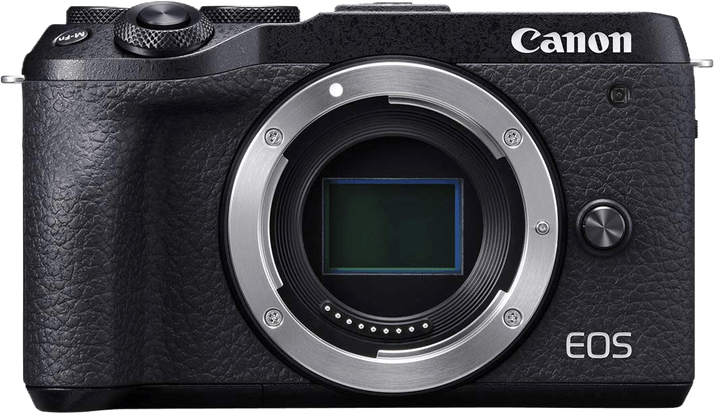
Canon EOS M6 Mark II
- Resolution
- 33 MP
- Sensor
- APS-C
- Video
- 4K
- Weight
- 408 g
Highlights
- Professional-level image quality
- Responsive continuous autofocus
- Fast burst shooting speeds
- Uncropped 4K video
Trade-Offs
- No in-body image stabilization
- Limited screen articulation
- No built-in viewfinder
- Limited native lens selection
Pros
- Powerful 32.5 MP APS-C sensor
- Rapid 30 fps burst mode
- Uncropped 4K video with full AF
- Compact and lightweight body
- Accurate AF with face and eye detection
Cons
- No in-body image stabilization
- Limited screen articulation
- No built-in viewfinder
- Limited native lens selection
While not officially labeled a professional camera, the Canon EOS M6 Mark II is more than capable of delivering professional work. Its signature feature is the super-high-resolution, 32.5MP, APS-C, CMOS sensor.
In terms of resolution alone, it blows all the other best cameras priced under $1000 out of the water. The high pixel count lets you easily blow up the images for prints and posters without any drop-off in image quality.
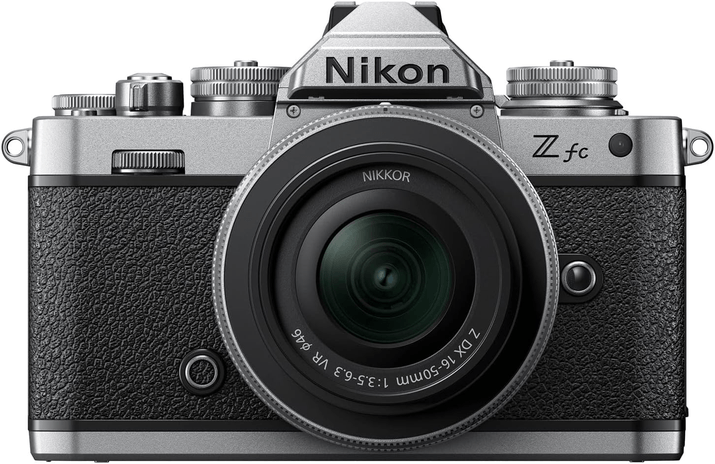
Nikon Z fc
- Resolution
- 21 MP
- Sensor
- APS-C
- Video
- 4K
- Weight
- 445 g
Highlights
- 4K video capabilities
- Attractive and stylish
- Face- and eye-detection AF works with animals
Trade-Offs
- Slow performing kit lens
- No optical image stabilization
- It lacks a built-in flash
- No joystick
- Battery life isn't great
Pros
- Face- and eye-detect AF for humans and animals
- Lots of easy-access control dials
- Attractive and stylish design
- 4K video capabilities
Cons
- Slow performing kit lens
- No optical image stabilization
- It lacks a built-in flash
- No joystick
- Battery life isn't great
The Nikon Z fc is Nikon’s newest crop-sensor mirrorless camera. It’s the second to adopt the Nikon Z mount system (along with the Nikon Z50). At its core, a 20.9MP, APS-C, CMOS sensor, and a speedy Expeed 6 image processor are.
My favorite details about the Z fc are the three high-quality aluminum control dials on the top of the camera. They seriously increase the speed of your workflow during manual shooting and also look great. If you have Nikon F-mount lenses from a DSLR, you can still use them with an adapter.
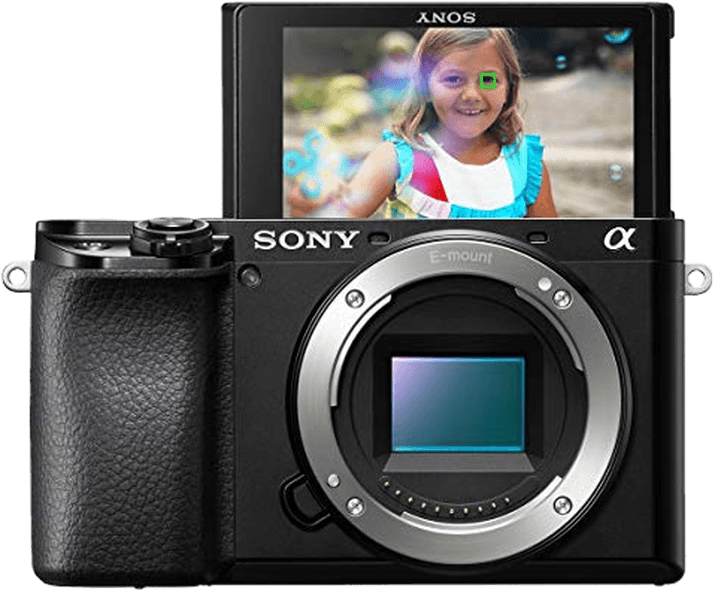
Sony a6100
- Resolution
- 24 MP
- Sensor
- APS-C
- Video
- 4K
- Weight
- 396 g
Highlights
- Good image quality
- Autofocus system with terrific capabilities
- Solid battery life
Trade-Offs
- No in-body stabilization
- Low 1/4000 s max shutter speed
- No GPS
- Not weather-sealed
- No headphone jack
Pros
- Great value for the price
- Eye-detect autofocus for humans and animals
- Compact size
- 4K video option
- Flip-out touchscreen for selfies and vlogging
Cons
- No in-body stabilization
- Low 1/4000 s max shutter speed
- No GPS
- Not weather-sealed
- No headphone jack
The Sony Alpha a6100 is an entry-level mirrorless camera ideal for budding photographers. It pairs a 24.2MP, APS-C, CMOS sensor with an upgraded Bionz X image processor and works dramatically faster than its predecessor, the a6000.
On top of its faster speeds, it also boasts 4K video capabilities and Sony’s most advanced autofocus system to date. Throw in easy-to-use stills modes like Auto, Aperture Priority, and Shutter Speed Priority, and you have the perfect digital camera for learners.
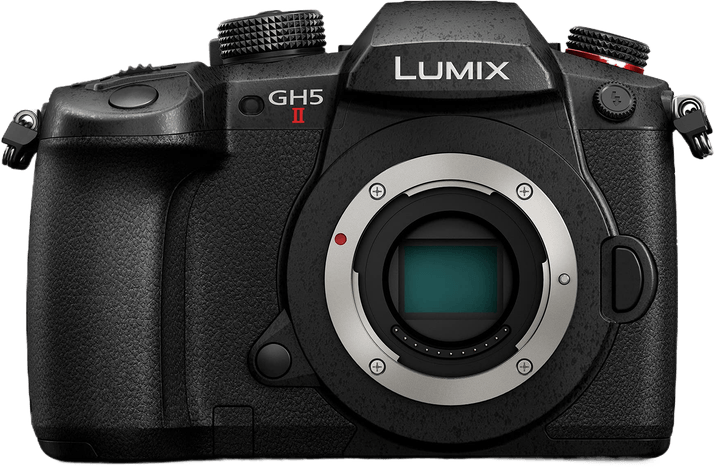
Panasonic Lumix DC-GX9
- Resolution
- 20 MP
- Sensor
- Micro Four Thirds
- Video
- 4K
- Weight
- 450 g
Highlights
- Hybrid built-in image stabilization
- Lots of customization options
- Shoot video and photos in 4K
Trade-Offs
- Awkward placement of quick-menu (Q) button
- Not weather sealed
- Limited 260-shot battery life
- 4K video is cropped and rolling shutter is noticeable
The Panasonic Lumix GX9 is a sleek and compact mirrorless camera featuring a 20.9MP Four Thirds sensor and a potent Venus Engine image processor. The two work hand in hand to create stills with fantastic edge-to-edge sharpness and silky smooth video.
The colors in both JPEGS and RAW images look bright and bold straight out of the camera. And the built-in Wi-Fi means sharing pictures to your phone has never been easier.
[/highlight]
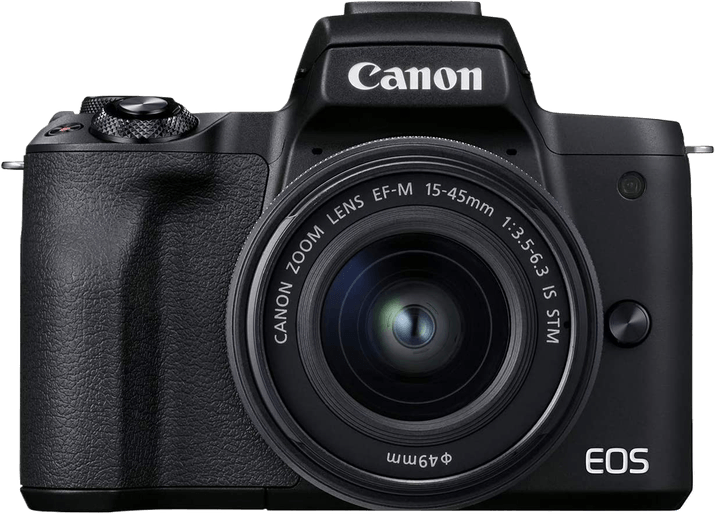
Canon EOS M50 Mark II
- Resolution
- 24 MP
- Sensor
- APS-C
- Video
- 4K
- Weight
- 387 g
Highlights
- Ideal for YouTubers and Vloggers, even includes live streaming to YouTube
- Bright and bold Canon colors
- High-quality JPEG and RAW images
Trade-Offs
- 4K video is cropped
- No environmental sealing
- No sensor-shift image stabilization
- Disappointing battery life
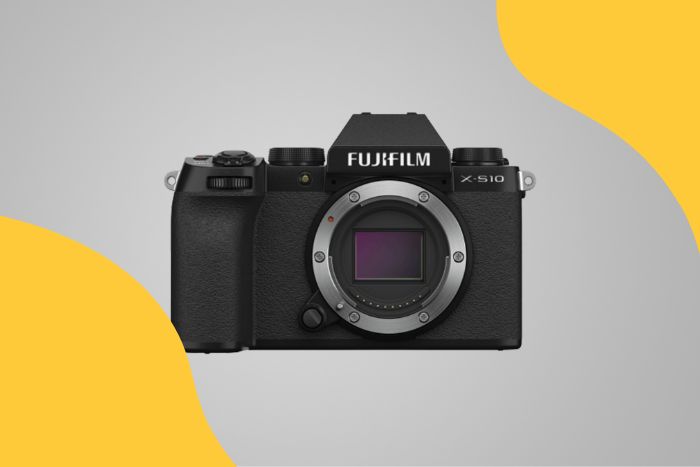
Fujifilm X-S10
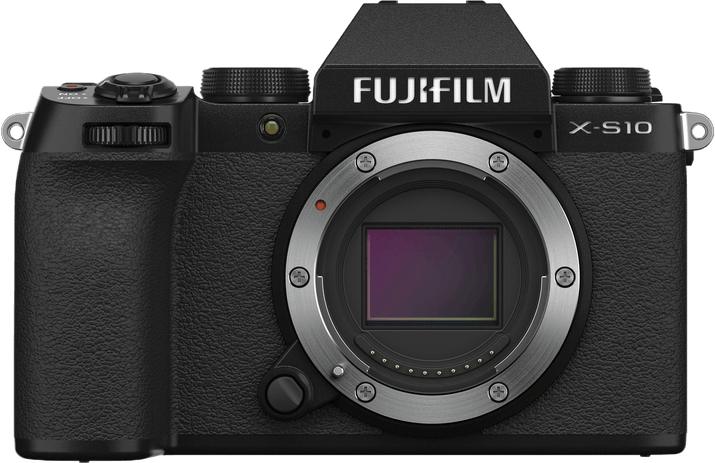
- Resolution
- 26 MP
- Sensor
- APS-C
- Video
- 4K
- Weight
- 465 g
Highlights
- 5-axis in-body image stabilization
- Uncropped 4K video
- Headphones can be connected via the USB-C port
Trade-Offs
- Subject tracking is not good enough for sports or action shots
- Few custom buttons
- Small viewfinder
- Only one UHS-I memory card slot
- Poor 325-shot battery using the LCD
Olympus OM-D E-M10 Mark IV
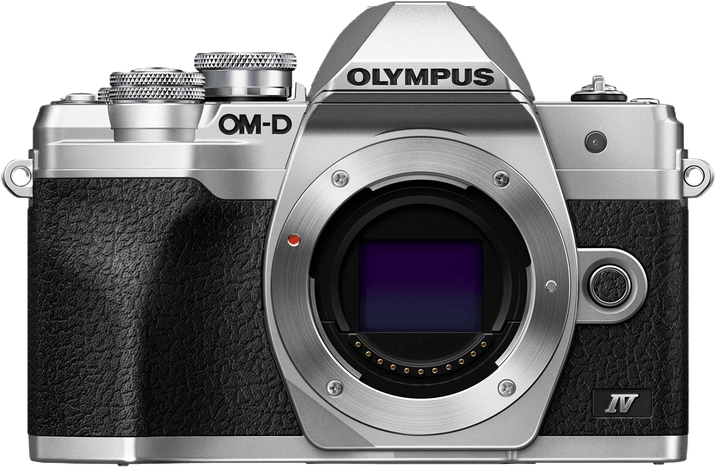
- Resolution
- 20 MP
- Sensor
- Micro Four Thirds
- Video
- 4K
- Weight
- 383 g
Highlights
- Great for beginners
- Excellent image quality
- Built-in image stabilization
- 4K video features
Trade-Offs
- Small sensor
- AF has slow continuous shooting
- Contrast-detection AF system is slower than phase-detection systems
- No microphone and headphone jacks
- Plastic body and isn't weather sealed
Nikon D7500
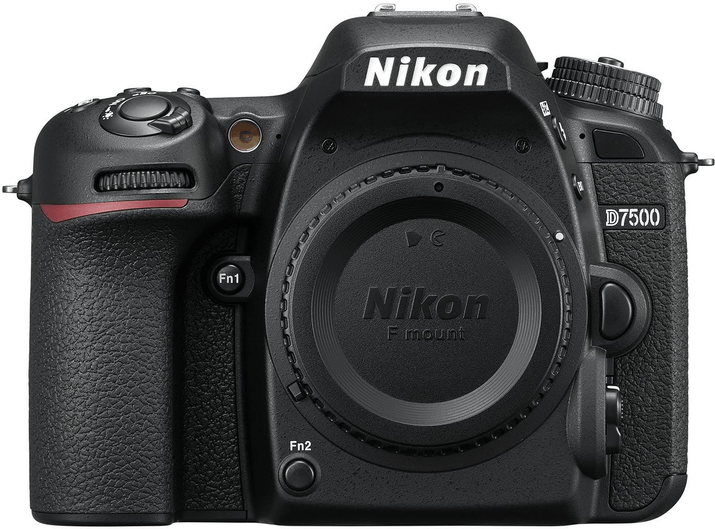
- Resolution
- 20.9 MP
- Sensor
- APS-C
- Video
- 4K
- Weight
- 720 g
Highlights
- Good low-light performance
- Responsive autofocus
- Weather-sealed body
- 4K video capabilities
Trade-Offs
- Images not as sharp as other cameras
- Limited to crop sensor (DX) lenses
- No USB charging
- Just one memory card slot
Canon EOS Rebel T8i / 850D
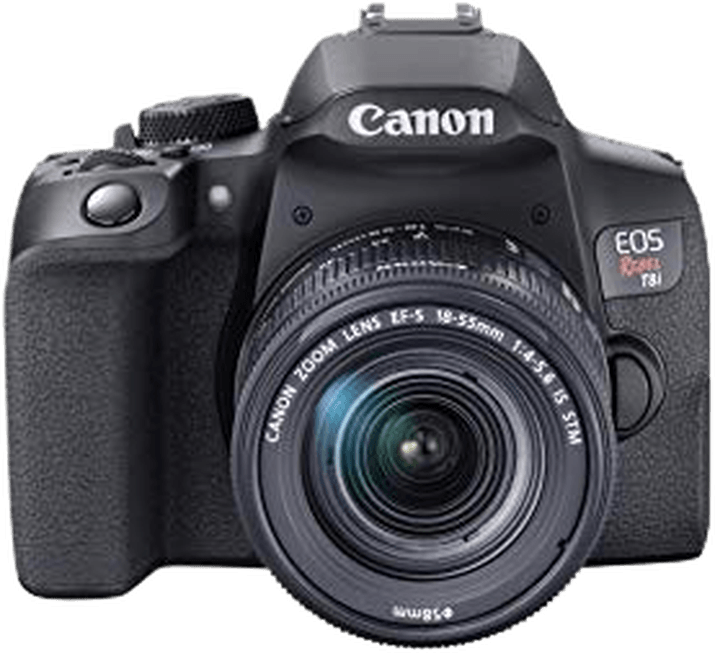
- Resolution
- 24 MP
- Sensor
- APS-C
- Video
- 4K
- Weight
- 515 g
Highlights
- One of the best beginner cameras
- Easy to Use
- Reasonably priced
- 4K video recording
Trade-Offs
- Fiddly control dials
- Less reliable AF in video mode
- Small optical viewfinder display
- Cropped 4K video
Panasonic Lumix DMC-FZ1000 II
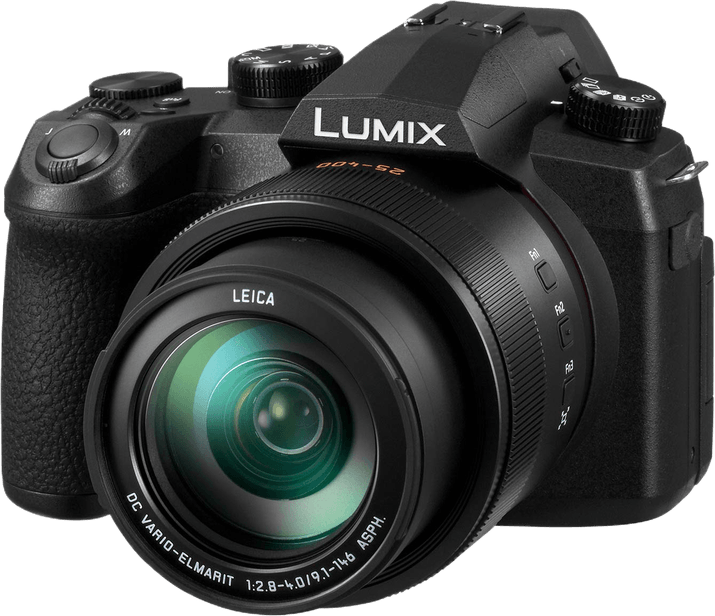
- Resolution
- 20 MP
- Sensor
- 1"
- Video
- 4K
- Weight
- 808 g
Highlights
- Excellent quality Leica lens
- 400mm max zoom
- 5-axis in-body image stabilization
- 4K video capture
Trade-Offs
- Relatively short 400 mm max zoom
- Slow face- and eye-detection AF
- No simultaneous zoom and autofocus
- Cropped 4K videos
- Not weather sealed
Canon EOS 80D
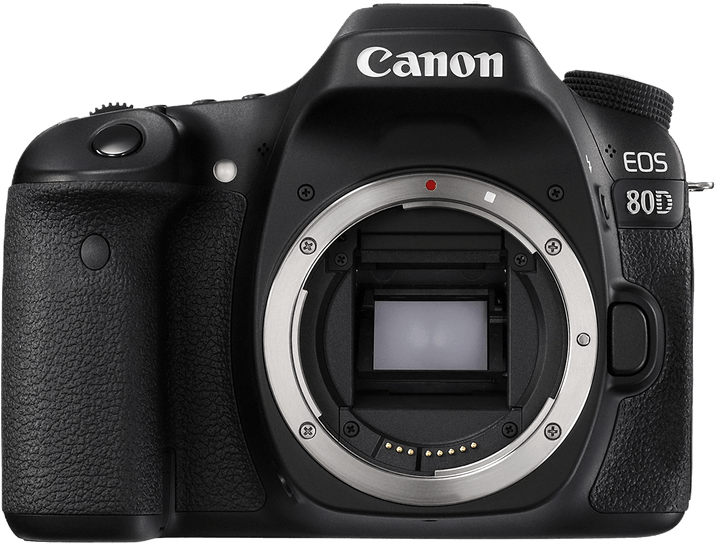
- Resolution
- 24.2 MP
- Sensor
- APS-C
- Video
- Full HD
- Weight
- 730 g
Highlights
- Fantastic image quality
- Effective and reliable autofocus
- Durable, weather-resistant body
Trade-Offs
- Autofocus tracking can loose your subject easily
- Not the best ISO performance in the top range
- No 4K video
Nikon Coolpix P950
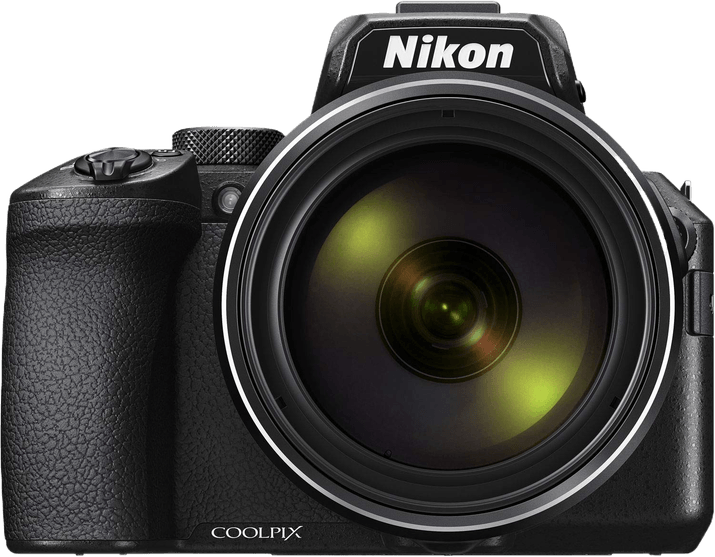
- Resolution
- 16 MP
- Sensor
- 1/2.3”
- Video
- 4K
- Weight
- 1005 g
Highlights
- Stabilisation steadies handheld shooting at slow speeds
- Flip-out screen helps at awkward angles
- 4K video allows detailed, croppable footage
- Sharp electronic viewfinder aids precise framing
- USB charging simplifies topping up power
Trade-Offs
- Low-light performance isn't great
- Loses sharpness at longer focal lengths
- Slow buffer with continuous shooting
- No touchscreen
- Large camera body
Panasonic Lumix DMC ZS100
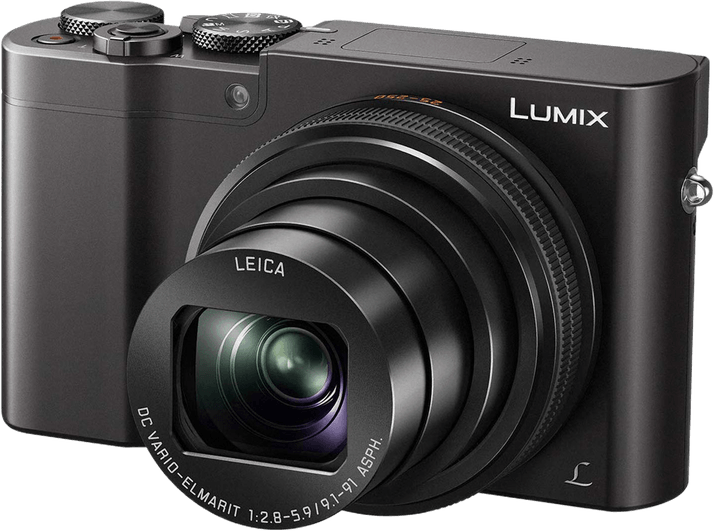
- Resolution
- 20 MP
- Sensor
- 1"
- Video
- 4K
- Weight
- 312 g
Highlights
- Slips into a pocket at 312 grams
- One-inch sensor inside a pocketable compact
- Sharp electronic viewfinder for bright daylight
- In-body stabilisation steadies handheld shots
- Captures 4K video and 10fps bursts
Trade-Offs
- Yellows and skin tones occasionally look greenish
- Loses lots of detail at high ISO levels
- Small electronic viewfinder
- Touchscreen LCD doesn't tilt or move
- Not weather sealed
Sony a6000
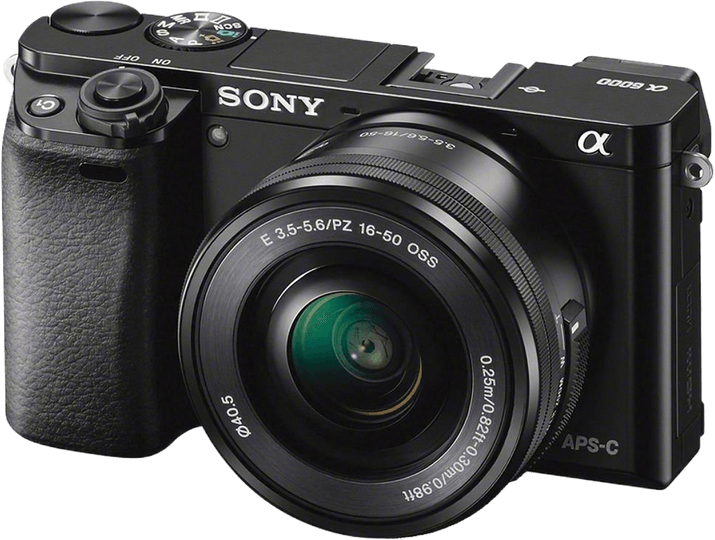
- Resolution
- 24.3 MP
- Sensor
- APS-C
- Video
- Full HD
- Weight
- 344 g
Highlights
- 24.3 megapixel APS-C CMOS sensor
- Burst shooting reaches up to 11fps
- Light 344g body travels easily
- Flip screen eases awkward shooting angles
- Built-in Wi-Fi for wireless connection
Trade-Offs
- Lags on startup
- No 4K video
- No touchscreen
- No silent shutter
- No in-body stabilization to counter camera shake
Canon PowerShot G7 X Mark III
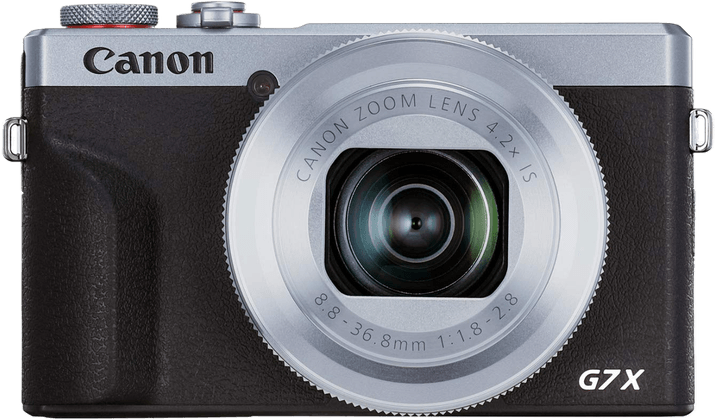
- Resolution
- 20 MP
- Sensor
- 1"
- Video
- 4K
- Weight
- 304 g
Highlights
- A high dynamic range
- Fast continuous shooting speeds
- Stylish design
- Pocket-sized body
- Flip-up rear LCD touchscreen
- Live-streaming compatible
Trade-Offs
- Soft focus at wider focal lengths
- No subject tracking in continuous shooting mode
- No electronic viewfinder
- Weak battery life for a compact
- 10 minute 4K recording limit
Our Verdict
While you can excel as a photographer and videographer with every camera above, some cameras shine exceptionally bright in one area or another. Let’s do a quick recap of the different cameras we covered.
What is the best mirrorless camera under $1000?
The Fujifilm X-T30 II is the most advanced all-around camera and the overall best camera under $1000.
What is the best DSLR camera under $1000?
While the Canon EOS Rebel T8i and Canon EOS 80D DSLR cameras aren’t far behind, the best DSLR under $1000 is the Nikon D7500.
What is the best compact camera under $1000?
It’s neck and neck between the Panasonic Lumix ZS100 and the Canon PowerShot G7 X Mark III. But we give a slight nod to the Panasonic Lumix ZS100. However, if you are a vlogger, go with the Canon PowerShot G7 X Mark II.
What is the best bridge camera under $1000?
Thanks to its high-quality Leica zoom lens, the Panasonic Lumix FZ1000 II is the best bridge camera under $1000.
What is the best video camera under $1000?
It depends on the type of video work you do. For YouTubers, the best choice is the Canon EOS M50 Mark II. But filmmakers will be better off shooting with the Fujifilm X-S10.
Whether you’re looking for your first mirrorless camera, interchangeable lens cameras, or just a plain old affordable camera—we hope you find the best camera under $1000 that fits you!
You can filter the cameras in our database by price (and other specs) for more options next!