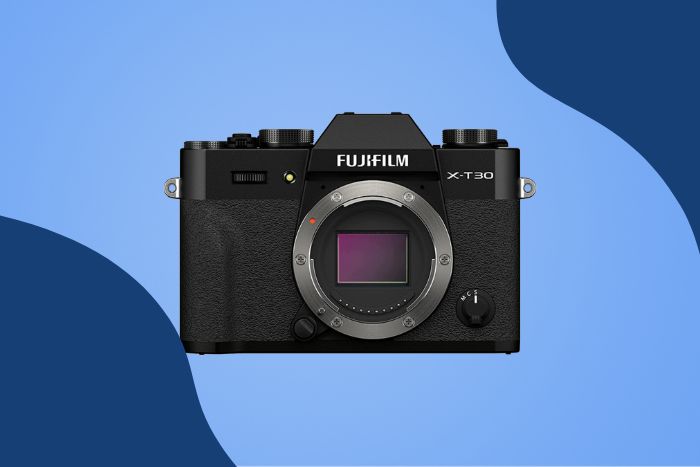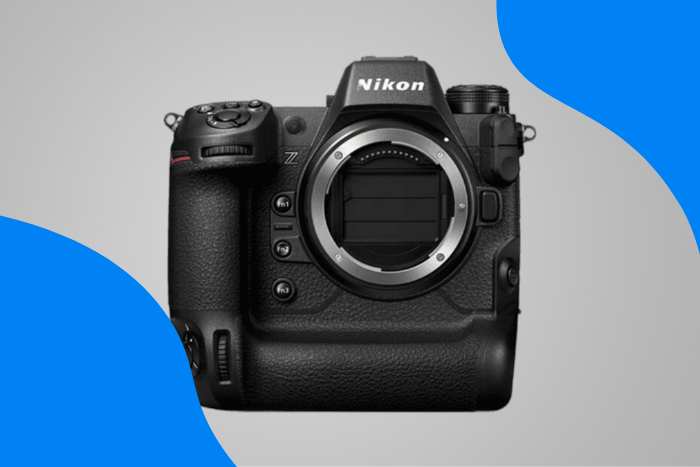
Product specifications and highlights restored from our saved catalogue records. The original article date and recommendations are unchanged.
Our list gives you the best options in this price range when writing this. We looked at camera resolution, burst rate, autofocus, video performance, and other features. Our top choice is the Fujifilm X-S10. But what will work best for you?
To choose the right type of camera for your budget, you need to consider what you want from your photography.
Do you need a camera to take pictures at parties or on holiday? Or do you want something to help you become an enthusiast or even a professional?
Basic Buying Guide for Budget Mirrorless Cameras
Your choice is between full frame, APS-C, and Micro Four Thirds mirrorless cameras:
- Full frame cameras such as the Canon EOS RP are generally larger and heavier. But they give you better low-light performance. And they provide background bokeh for both stills and video. They often have more megapixels, but not necessarily.
- APS-C models such as the Fujifilm X-S10 are more compact and portable. This is especially true when you consider the size and weight of your lenses. But you sacrifice image quality. And you might have to replace all your glass if you decide to upgrade to a full frame camera at a later date.
- Micro Four Thirds cameras have the smallest sensors of the bunch. One example is the Olympus OM-D E-M10 Mark IV. But Olympus and Panasonic do offer some good options with plenty of features.

A cheap and cheerful APS-C or Micro Four Thirds model is fine for casual use. Some features available on the Sony a1 or Nikon Z9 have also trickled down as far as these cameras.
But if you decide to take up photography seriously? You may regret it. You’ll need to trade your whole kit for a full frame system. It’s up to you…
What are the Best Mirrorless Cameras Under or Around $1000?
Let’s quickly look at the best mirrorless cameras for less than $1000, before we delve into each model in more detail.
- Fujifilm X-S10
- Fujifilm X-T30 II
- Olympus OM-D E-M10 Mark II
- Canon EOS RP
- Sony a7 II
- Panasonic Lumix DC-G9
- Panasonic Lumix G95 / G90
- Canon EOS M50 Mark II
- Nikon Z50
- Canon EOS M6 Mark II
- Canon EOS M200
11 Best Budget Mirrorless Cameras
1. Fujifilm X-S10
Best Mirrorless Camera Under $1000
Fujifilm X-S10
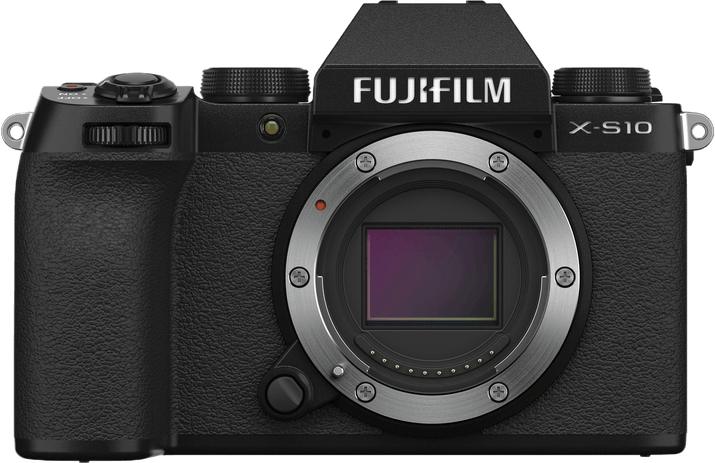
- Resolution
- 26 MP
- Sensor
- APS-C
- Video
- 4K
- Weight
- 465 g
Highlights
- In-body stabilisation steadies handheld shooting
- 26 megapixels allow room for cropping
- 4K video plus built-in timelapse
- Flip screen simplifies unusual angles
- Light 465 gram body travels easily
Trade-Offs
- Subject tracking is not good enough for sports or action shots
- Few custom buttons
- Small viewfinder
- Only one UHS-I memory card slot
- Poor 325-shot battery using the LCD
2. Fujifilm X-T30 II
Best APS-C Budget Mirrorless Camera
Fujifilm X-T30 II
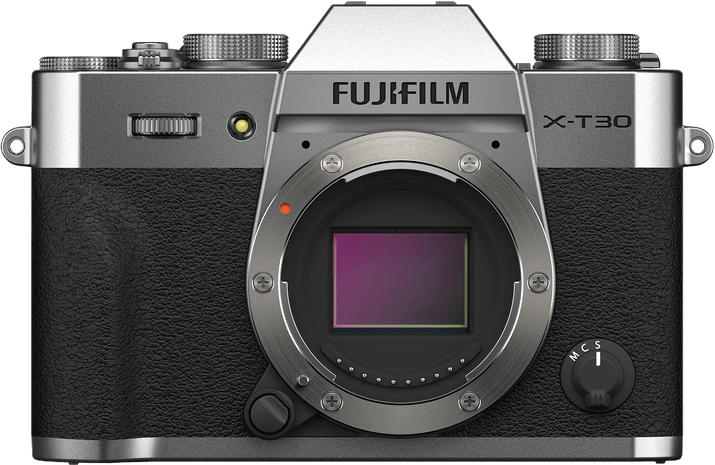
- Resolution
- 26 MP
- Sensor
- APS-C
- Video
- 4K
- Weight
- 383 g
Highlights
- 26MP APS-C sensor supports big prints
- Up to 30fps burst for action
- Flipping touchscreen helps low and high angles
- 383g body slips into small bags
- Built-in timelapse and 4K recording
Trade-Offs
- No in-body stabilization
- Poor ergonomics with longer lenses
- Q button awkwardly positioned
- Rear screen is not fully articulated
3. Olympus OM-D E-M10 Mark IV
Best MFT Budget Mirrorless Camera
Olympus OM-D E-M10 Mark IV
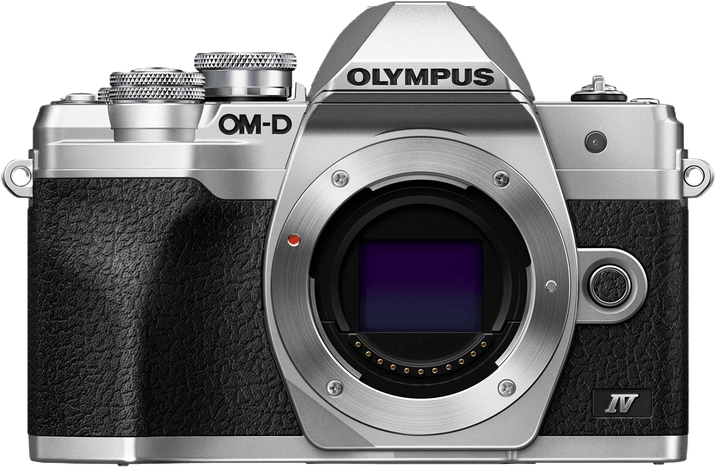
- Resolution
- 20 MP
- Sensor
- Micro Four Thirds
- Video
- 4K
- Weight
- 383 g
Highlights
- Affordable
- Very beginner-friendly
- Excellent image quality
- Built-in image stabilization for video and low light
- Endless list of compatible lenses
- Excellent 4K video features
Trade-Offs
- Small sensor
- AF has slow continuous shooting
- Contrast-detection AF system is slower than phase-detection systems
- No microphone and headphone jacks
- Plastic body and isn't weather sealed
4. Canon EOS RP
Best Full Frame Budget Mirrorless Camera
Canon EOS RP
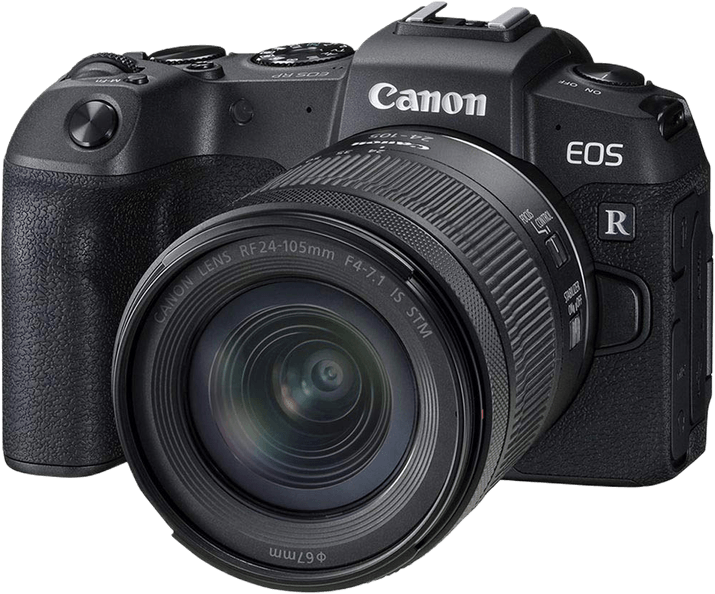
- Resolution
- 26 MP
- Sensor
- Full Frame
- Video
- 4K
- Weight
- 440 g
Highlights
- Affordable full-frame mirrorless
- Lightweight and easy to handle
- Macro stacking and time-lapse
- Convenient Wi-Fi and Bluetooth
- Nice 4K video performance
Trade-Offs
- 5 fps max burst is slow compared to competitors
- Relatively poor 250-shot battery life
- Doesn't function while charging
- 4K video is cropped 1.6x
5. Sony a7 II
Best Sony Mirrorless Camera Under $1000
Sony a7 II
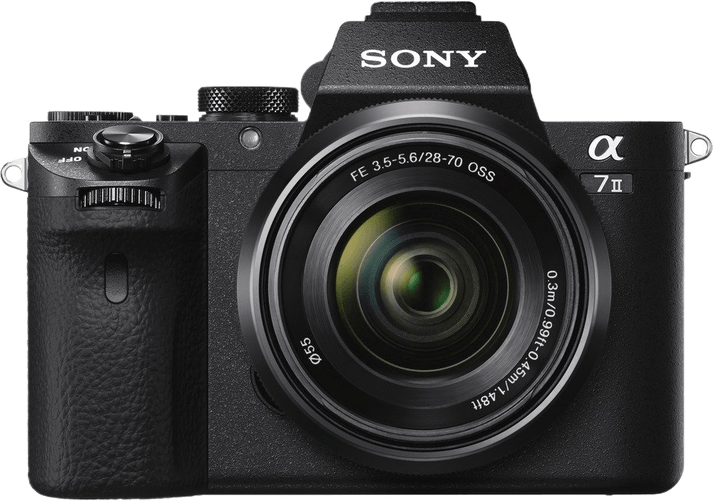
- Resolution
- 24.3 MP
- Sensor
- Full Frame
- Video
- Full HD
- Weight
- 599 g
Highlights
- Excellent built-in image stabilization
- Fast and responsive AF with subject tracking
- Low noise at high ISO settings
- Weather sealed and dust-resistant
- Handy Wi-Fi connectivity
Trade-Offs
- Expensive
- Slow 5 fps burst mode
- A bit heavy for a mirrorless
- Disappointing battery life
- No 4K video recording, only Full HD
6. Panasonic Lumix DC-G9
Best Panasonic Mirrorless Camera Under $1000
Panasonic Lumix DC-G9
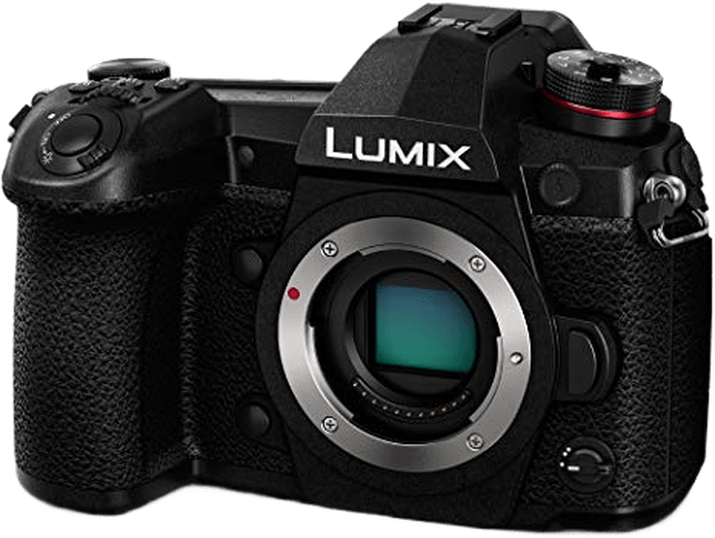
- Resolution
- 20 MP
- Sensor
- Micro Four Thirds
- Video
- 4K
- Weight
- 658 g
Highlights
- Burst shooting runs up to 20 fps
- In-body stabilisation reduces camera shake
- Electronic viewfinder with 3.68 million dots
- Weather-sealed body suits outdoor shooting
- Records 4K video with built-in timelapse
Trade-Offs
- Contrast-detection autofocus wobbles in electronic viewfinder
- Unresponsive AF joystick can't make diagonal movements
- Your nose can accidentally activate the touchpad AF
- Rolling shutter effects visible at 20 fps
7. Panasonic Lumix DC-G95
Highly Recommended Mirrorless Camera Under $1000
Panasonic Lumix G95 / G90
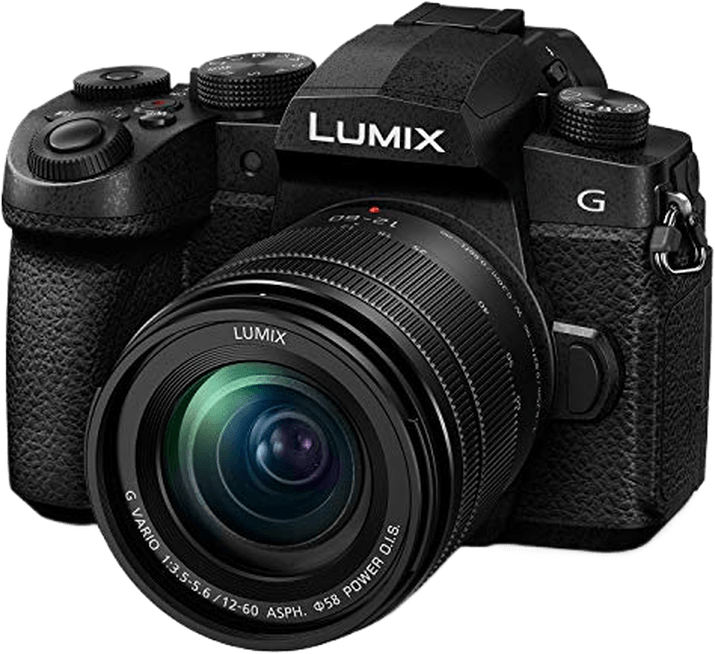
- Resolution
- 20 MP
- Sensor
- Micro Four Thirds
- Video
- 4K
- Weight
- 536 g
Highlights
- 5-axis sensor-sift image stabilization
- Fully articulating touchscreen LCD
- Sharp 4K video and photos
- Unlimited recording time
- Weather-sealed camera body
Trade-Offs
- Large for a Micro Four Thirds camera
- 4K recording applies a 1.25x crop
- No autofocus during high frame-rate video capture
- Occasional rolling shutter issues in 4K
- It doesn’t include a standalone charger
8. Canon EOS M50 Mark II
Best Budget Mirrorless Camera for Streaming
Canon EOS M50 Mark II
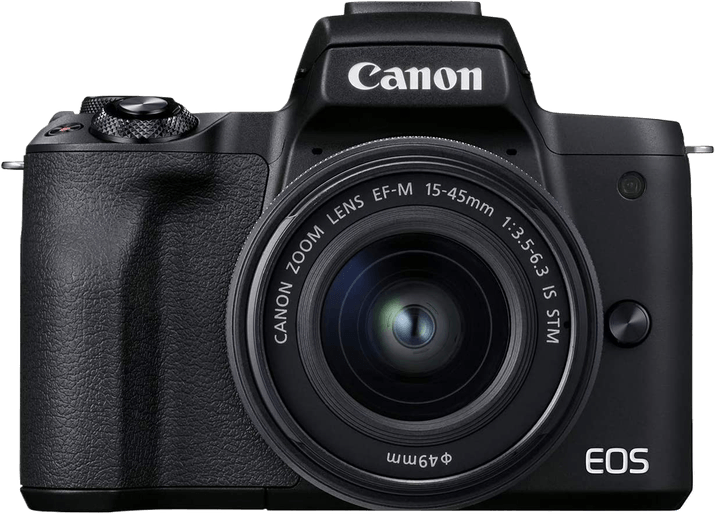
- Resolution
- 24 MP
- Sensor
- APS-C
- Video
- 4K
- Weight
- 387 g
Highlights
- Strong sensor resolution
- 4K and Full HD video options
- Time-lapse recording
- External mic port
- Webcam functionality
Trade-Offs
- 4K video is cropped
- No environmental sealing
- No sensor-shift image stabilization
- Disappointing battery life
9. Nikon Z50
Best Nikon Budget Mirrorless Camera
Nikon Z50
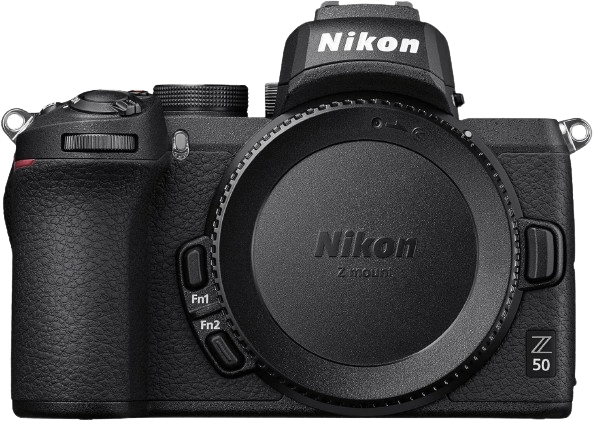
- Resolution
- 21 MP
- Sensor
- APS-C
- Video
- 4K
- Weight
- 450 g
Highlights
- A more affordable mirrorless option
- Nice to handle and use
- Relatively lightweight and not too bulky
- Solid 4K video performance
Trade-Offs
- 20.8 MP sensor resolution is lower than many close competitors
- Poor battery life
- Only one memory card slot
- Limited native APS-C lenses
10. Canon EOS M6 Mark II
Best Burst Mode for a Budget Mirrorless
Canon EOS M6 Mark II
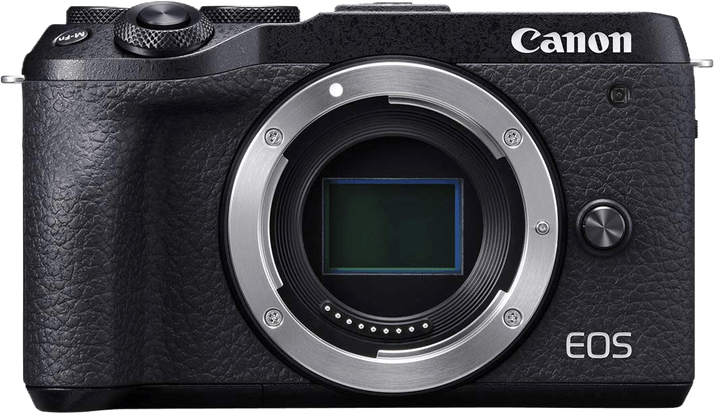
- Resolution
- 33 MP
- Sensor
- APS-C
- Video
- 4K
- Weight
- 408 g
Highlights
- Powerful 32.5 MP APS-C sensor
- Rapid 30 fps burst mode
- Uncropped 4K video with full AF
- Compact and lightweight body
- Accurate AF with face and eye detection
Trade-Offs
- No in-body image stabilization
- Limited screen articulation
- No built-in viewfinder
- Limited native lens selection
11. Canon EOS M200
Most Affordable Canon Mirrorless Camera
Canon EOS M200
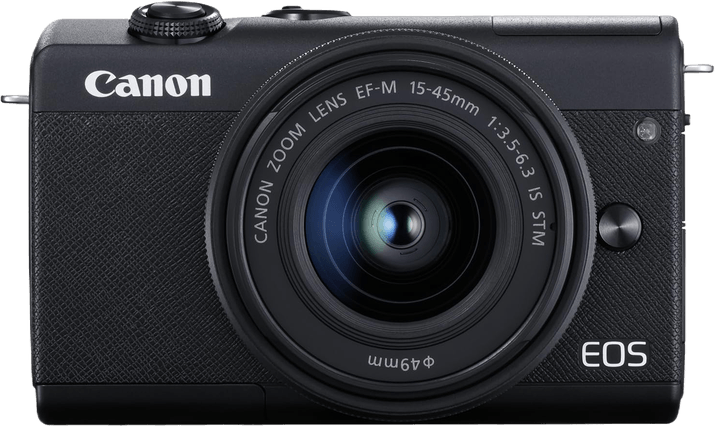
- Resolution
- 24 MP
- Sensor
- APS-C
- Video
- 4K
- Weight
- 229 g
Highlights
- Compact and lightweight body
- Smooth 4K video recording
- Vari-angle touchscreen
- Fast and reliable autofocus
- Wi-Fi and Bluetooth for easy sharing
Trade-Offs
- 4K video is cropped
- No audio jack for mic Input
- Lack of grip on body for large hands
- Slow RAW-file processing
- Limited shooting modes
Our Verdict
When starting out in photography, it’s hard to know what format camera to buy. Full frame, APS-C, or Micro Four Thirds? Given the budget of around $1,000, all the models on this list are around the same price.
And even the crop-sensor models offer lots of features. Fujifilm mirrorless cameras like the X-S10 or X-T30 II are excellent. Olympus and Panasonic offer Micro Four Thirds models packed with features.
But most enthusiasts and professional photographers use full frame cameras. What’s the point of starting with something you’ll only trade in if you decide you want to take it more seriously?
This is not an easy decision. And you might not know how you’ll feel in six months or a year. But we hope this list will give you the best possible options to choose from.

Best Budget Mirrorless Camera FAQs
These are the most common questions for the best mirrorless cameras under or around $1000.
What’s an APS-C Camera?
An APS-C camera is either a DSLR or a mirrorless camera. It uses an APS-C sensor. APS stands for “advanced photo system.” And the sensor measures anywhere from 22.3 x 14.9 mm to 25.1 x 16.7 mm. This compares to 36 x 24 mm for a full frame sensor. So it’s quite a bit smaller.
What’s a Micro Four Thirds Camera?
A Micro Four Thirds (or MFT) camera is another kind of crop-sensor camera. It uses an even smaller sensor, measuring 17.3 x 13 mm. Olympus and Panasonic generally produce the best Micro Four Thirds models.
What Does “crop factor” Mean?
The crop factor compares a particular sensor to a full frame sensor. You work it out by dividing the diagonal length of the full frame sensor (43.3 mm) by the same for the other sensor. Different APS-C cameras have different crop factors. It depends on the size of their sensors.
What are the Crop Factors for Nikon and Canon APS-C Cameras?
The APS-C sensors in Nikon’s APS-C (DX-format) cameras are 24 x 16 mm and have a crop factor of 1.5. But the ones in Canon’s APS-C cameras are only 22.3 x 14.9 mm and have a larger crop factor of 1.6.