Product specifications and highlights restored from our saved catalogue records. The original article date and recommendations are unchanged.
This is your “keeper rate.” It’s simply the frame rate times the percentage of sharp shots (up to the buffer size). You might be shooting a photo of a cheetah chasing a gazelle, a bear catching a salmon, or a humpback whale breaching.
Whatever it is, the “decisive moment” is what you want to capture. And you can maximize your “keeper rate” by buying a camera with the best frame rate, buffer size, and autofocus system you can afford.

Buying Suggestions for Wildlife Cameras
I bought a pair of Sony a1s. And I haven’t regretted it. The a1 isn’t perfect. But it offers a unique combination of sensor size, frame rate, buffer size, eye detection, and subject tracking. (Go to the end of the article if you’re interested in my lens kit.)
Having said all that, it’s still a very expensive piece of kit. If you’re just starting as a photographer, there’s nothing wrong with choosing a bridge camera like the RX10 IV.
Alternatively, a Sony a6400 or a6600 suits someone looking for a rangefinder model and smaller, lighter lenses. Even the full frame cameras in the a7 and a9 ranges are much cheaper and offer the same features and performance.
Sony also keeps older models on sale even after their replacements are available. That gives you an easy way to save money if you don’t mind missing out on the latest features.
What is the Best Sony Camera for Wildlife Photography?
Are you gearing up to take a safari photography trip? Or perhaps it’s local wildlife or birds you want to take better photos of. Either way, let’s dive in! Here’s our condensed list of the best Sony wildlife photography cameras on the market.
10 Best Sony Cameras for Wildlife Photography (in Detail!)
So what does that mean in detail? Here’s our in-depth guide to each Sony wildlife camera’s features and benefits. Let’s find out what the best wildlife camera is for you!
1. Sony a1
Best Sony Camera for Wildlife Photography
Sony a1
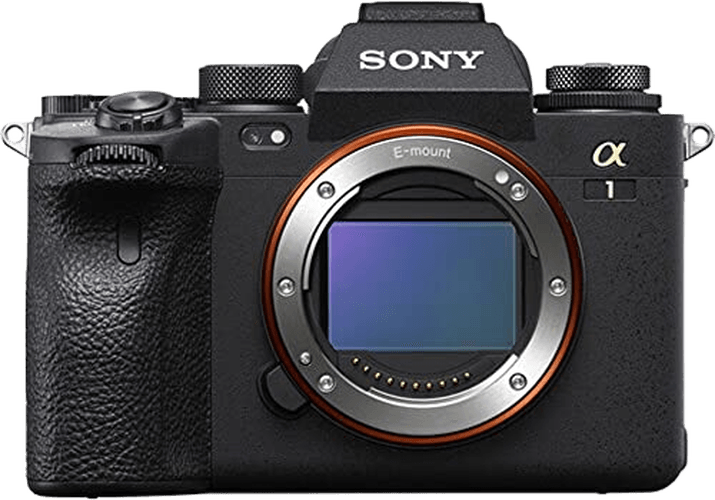
- Resolution
- 50.1 MP
- Sensor
- Full Frame
- Video
- 8K
- Weight
- 737 g
Highlights
- Large sensor captures tons of detail
- High frame rate of 30 fps
- Eye tracking (human, animal, and bird)
- Easy customization
- Silent shooting for quiet situations
- Incredible 8K/30p Ultra HD video
Trade-Offs
- Expensive
- Highest frame rates only for JPEG, HEIF, and lossy compressed RAW files
- Eye tracking only selected manually
- Small rear LCD screen
- No GPS
Sony a9 II
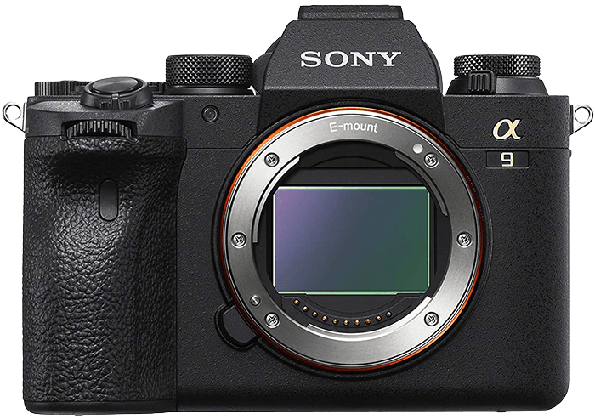
- Resolution
- 24.2 MP
- Sensor
- Full Frame
- Video
- 4K
- Weight
- 678 g
Highlights
- 20 fps maximum burst for decisive moments
- In-body stabilisation reduces camera shake
- Dual UHS-II slots double card capacity
- Weather-sealed body for outdoor shoots
- Flip-out touchscreen eases awkward angles
Trade-Offs
- No in-camera RAW image processing
- Confusing menus
- Battery performance isn't great
- No S-Log video
- Subpar video quality compared to new full-frame cameras
Sony a9
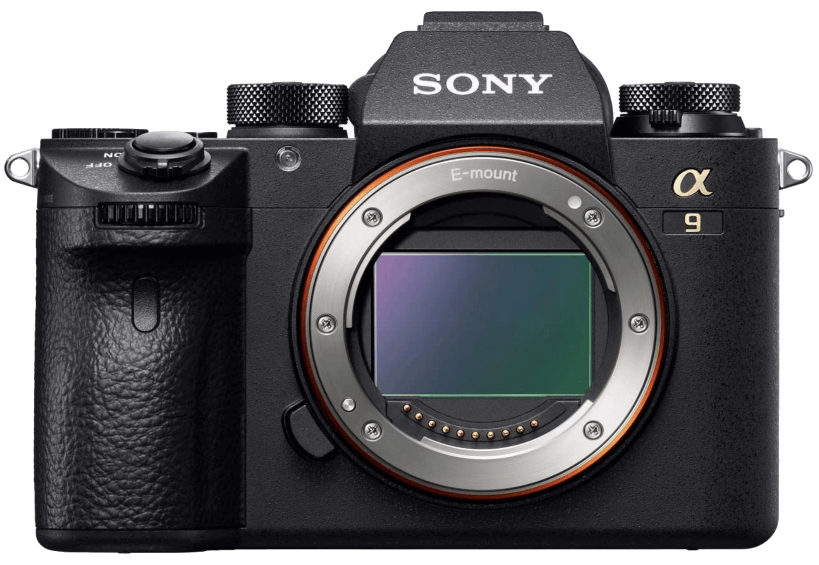
- Resolution
- 24.2 MP
- Sensor
- Full Frame
- Video
- 4K
- Weight
- 673 g
Highlights
- Full-frame sensor with 3.69M-dot viewfinder
- Twenty fps bursts capture split-second moments
- In-body stabilisation for sharper handheld shots
- Dual card slots for extra storage
- Weather sealing for outdoor sessions
Trade-Offs
- No in-camera RAW image processing
- Confusing menus
- Battery performance isn't great
- No S-Log video
- Subpar video quality compared to new full-frame cameras
Sony a7 IV
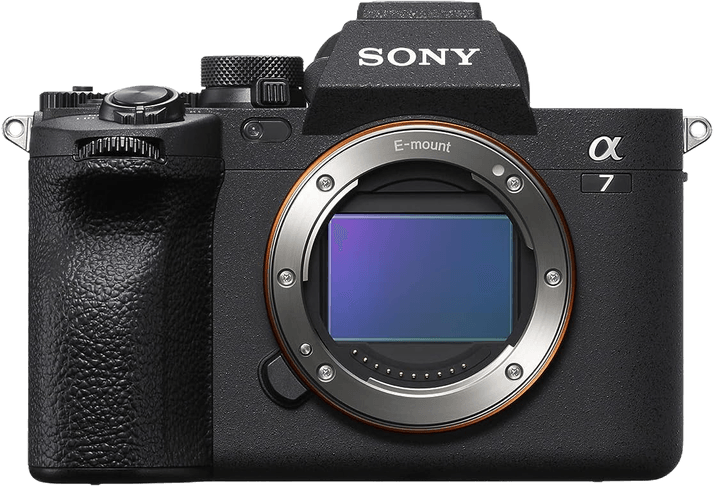
- Resolution
- 33 MP
- Sensor
- Full Frame
- Video
- 4K
- Weight
- 659 g
Highlights
- 33 megapixel full-frame sensor captures fine detail
- In-body stabilisation steadies handheld shooting
- Flip-out touchscreen helps low and high angles
- Dual slots fit CFexpress and SD cards
- 120 fps video enables slow-motion footage
Trade-Offs
- More expensive than the Sony a7 III
- 6 fps with 14-bit lossless compressed or uncompressed RAW files
- Significant distortion with moving subjects using a silent shutter
- Occasional issues with rolling shutter
- Requires a fast memory card
Sony a7R IV
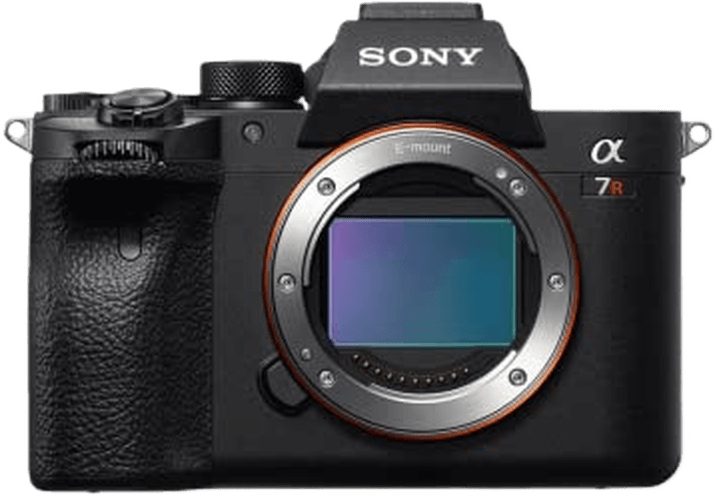
- Resolution
- 61.2 MP
- Sensor
- Full Frame
- Video
- 4K
- Weight
- 665 g
Highlights
- 61-megapixel sensor delivers high resolution
- In-body stabilisation steadies handheld shots
- Dual card slots double in-camera storage
- Flip-out touchscreen eases awkward shooting angles
- Weather sealing supports outdoor photography
Trade-Offs
- Long write times
- Poor AF at high frame rates
- No pixel-shift motion compensation
- Complicated menus
- Limited, laggy touchscreen functionality
Sony a7 III
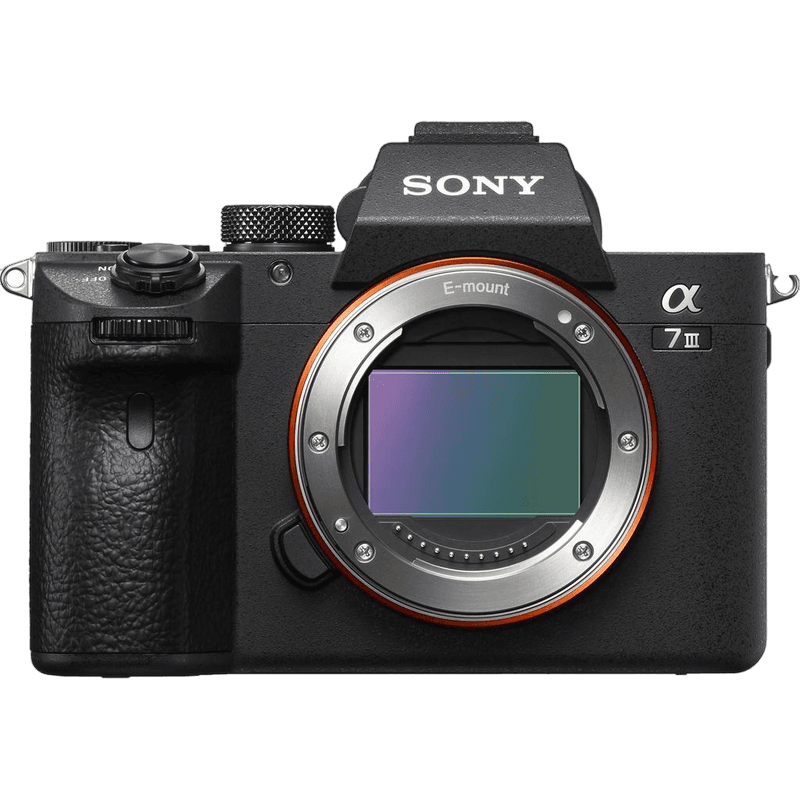
- Resolution
- 24.2 MP
- Sensor
- Full Frame
- Video
- 4K
- Weight
- 650 g
Highlights
- Full-frame CMOS sensor, 693 AF points
- In-body stabilisation steadies handheld shots
- Two card slots simplify long shoots
- Maximum 10fps burst shooting rate
- Battery rated at 750 shots
Trade-Offs
- Noise reduction can remove details
- Front heavy with big lenses
- Menu system is difficult to get used to
Sony a6600
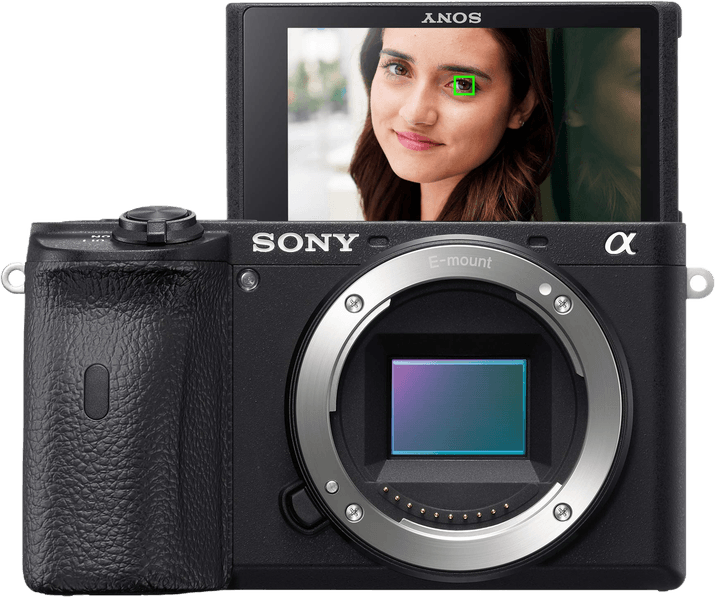
- Resolution
- 24.2 MP
- Sensor
- APS-C
- Video
- 4K
- Weight
- 503 g
Highlights
- Astonishing autofocus
- 5-axis in-body image stabilization reduces camera shake
- Silent shooting
- Terrific battery life
- Small, lightweight camera
Trade-Offs
- Slow buffer speeds
- Controls feel cramped with large hands
- Limited touchscreen controls
- No pop-up flash
- Rolling shutter recording video
Sony a6400
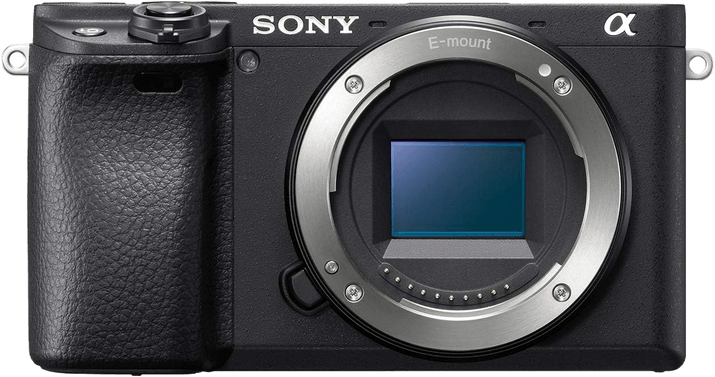
- Resolution
- 24.2 MP
- Sensor
- APS-C
- Video
- 4K
- Weight
- 403 g
Highlights
- 425 autofocus points for flexible focusing
- Flip-out touchscreen makes framing yourself easy
- Up to 4K video and 120fps
- Weather sealing suits dusty outdoor shooting
- 11fps burst for fast-moving subjects
Trade-Offs
- No in-camera RAW image editing
- No in-body image stabilization
- Screen tilts but no further articulation
- Complicated menu system
Sony a7R III
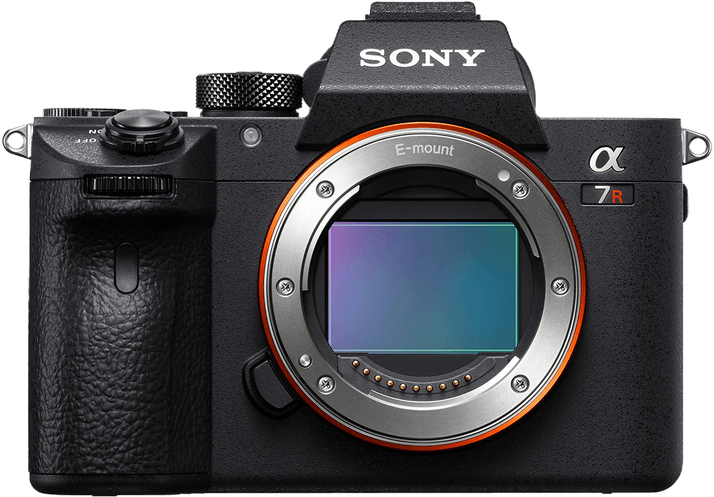
- Resolution
- 42.4 MP
- Sensor
- Full Frame
- Video
- 4K
- Weight
- 657 g
Highlights
- 42.4MP full-frame sensor supports large prints
- In-body stabilisation steadies handheld shooting
- Dual UHS-II card slots give flexible storage
- Flip screen helps shooting from awkward angles
- Weather sealing suits changeable outdoor conditions
Trade-Offs
- No video until image buffer is clear
- Long and complicated menu system
- Slow 10 fps maximum burst
- 4K video is not as smooth compared to newer camera models
Sony Cyber-shot RX10 IV
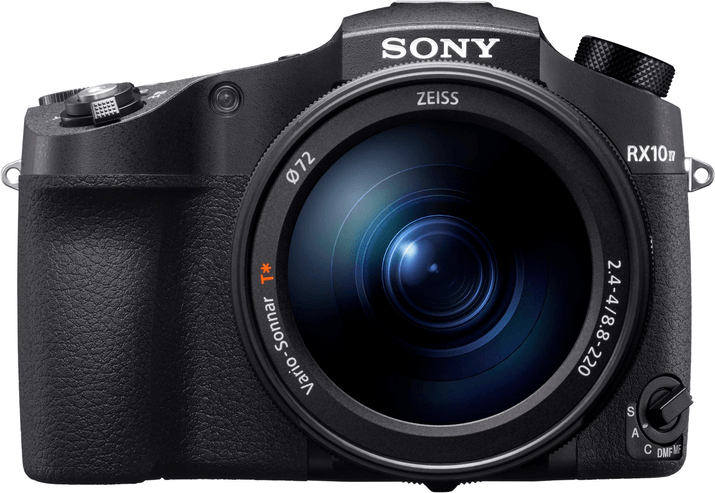
- Resolution
- 20 MP
- Sensor
- 1"
- Video
- 4K
- Weight
- 1095 g
Highlights
- Impressive 24 fps maximum continuous shooting speed
- Crisp image quality
- Unrivaled lens for a bridge camera
- Incredible 24-600mm zoom range
- 4K video quality
Trade-Offs
- Expensive price tag
- Not an interchangeable lens camera
- No attached ND filter
- Slow autofocus in video mode
- Heavy for a compact camera
Our Verdict
Wildlife photographers want a large sensor, high frame rate, big buffer, and an incredible autofocus system. Until recently, the best Sony camera for wildlife photography wasn’t available in one package.
But all that’s changed with mirrorless models like the Sony a1. It offers everything you need for photographing wildlife… at a high price!
I’m lucky enough to have been able to afford it. If you’re not, plenty of less expensive options are on the market. The best Sony camera for wildlife photography might be the cheapest, the lightest, or the most convenient.
It all depends on your particular circumstances. The best Sony camera for wildlife photography could even be an old second-hand model.

My Wildlife Camera Sony Lens Kit
If you’re curious about what lenses I use with my Sony a1, here’s the lowdown… Sony was the first to market with professional-level mirrorless cameras. So there’s a great range of glass available.
I have the following lenses:
- 12-24 mm
- 24-70 mm
- 70-200 mm
- 400 mm
- 600 mm
Plus, I have the 1.4x and 2x teleconverters. That means I can reach virtually any focal length.
My “workhorses” are the G Master f/2.8 400 mm and f/4 600 mm telephoto lenses. Both are “fast” and light. That makes them ideal for working in low light and shooting handheld for a long time… which often happens when you’re a wildlife photographer!
Still not sure which Sony wildlife camera to buy? Check out our post on the best Sony cameras for video or compare digital camera specs with our tool next!