Product specifications and highlights restored from our saved catalogue records. The original article date and recommendations are unchanged.
Our list has the best digital cameras for artwork photography. We selected these cameras because of their specs and features. And each one meets the needs of certain artists. We include different types of cameras. So any artist can find the perfect camera for their artwork photography!

What is the Best Camera for Artwork Photography?
Photographing art isn’t easy. It requires skill and patience. And you need a camera that’s up to the job. You want your work to look its best. So you need high-quality images.
Fine art photographers also need images of the highest quality. That’s why every artist needs a camera for photographing artwork.
Other features are also important when taking photos of artwork. You need to look at the ISO range. Image stabilisation is another handy feature. And you should think about whether you want a DSLR or mirrorless camera.
If you need more information on cameras for artwork photography, skip to our Buyer’s Guide at the end. We have all the info you need to make the best choice. You’ll be able to find the best camera for artwork.
10 Best Cameras for Artwork in Detail
A camera for artwork photography needs good image quality. So we take you through the best cameras for photographing artwork. We look at each digital camera in detail.
And we’ll highlight the specs that make them the best cameras for art photography. We lay it all out so you can make an educated decision.
Sony a7 III
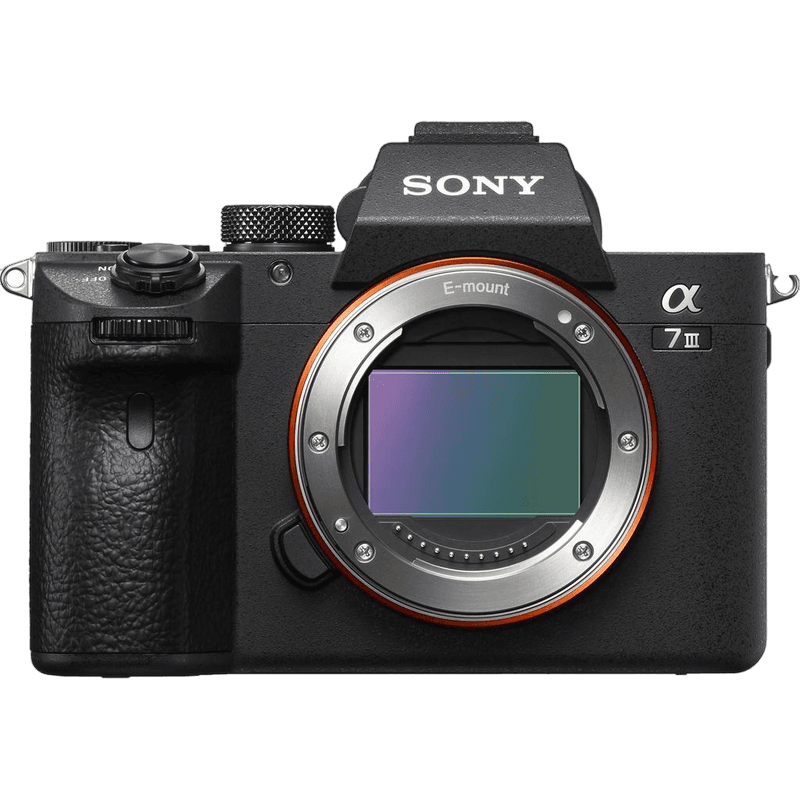
- Resolution
- 24.2 MP
- Sensor
- Full Frame
- Video
- 4K
- Weight
- 650 g
Highlights
- Excellent sensor with outstanding image quality
- 50 ISO setting for higher quality images
- 5-axis image stabilisation built-in
Trade-Offs
- Noise reduction can remove details
- Front heavy with big lenses
- Menu system is difficult to get used to
2. Canon EOS 90D
Best APS-C DSLR for Artwork
Canon EOS 90D
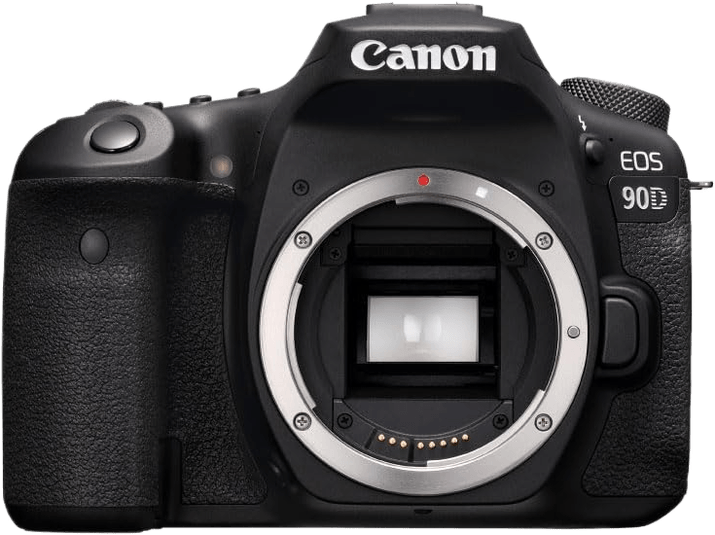
- Resolution
- 33 MP
- Sensor
- APS-C
- Video
- 4K
- Weight
- 701 g
Highlights
- Powerful 32.5 MP APS-C sensor
- Fantastic low-light performance and dynamic range
- Long-lasting battery life
Trade-Offs
- Unreliable autofocus when using the optical viewfinder
- 4K video has a soft focus
- No in-body image stabilization
- Limited video codecs and frame rates
3. Sony a6400
Best APS-C Mirrorless for Artwork
Sony a6400
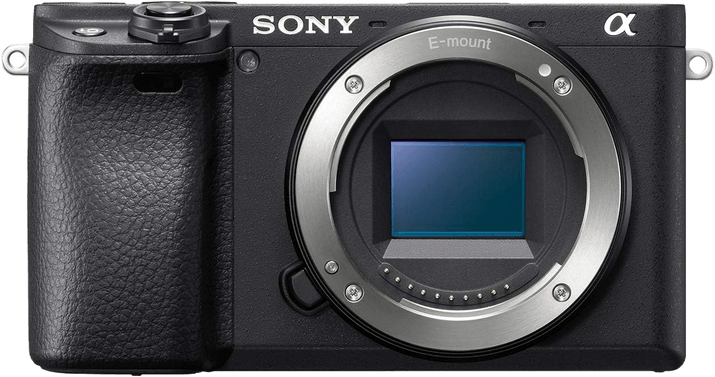
- Resolution
- 24.2 MP
- Sensor
- APS-C
- Video
- 4K
- Weight
- 403 g
Highlights
- Compact, lightweight, and affordable
- Fabulous quality images in RAW format
- Wide range of Sony E-mount lenses to choose from
Trade-Offs
- No in-camera RAW image editing
- No in-body image stabilization
- Screen tilts but no further articulation
- Complicated menu system
4. Nikon D810
Best Nikon DSLR for Artwork
Nikon D810
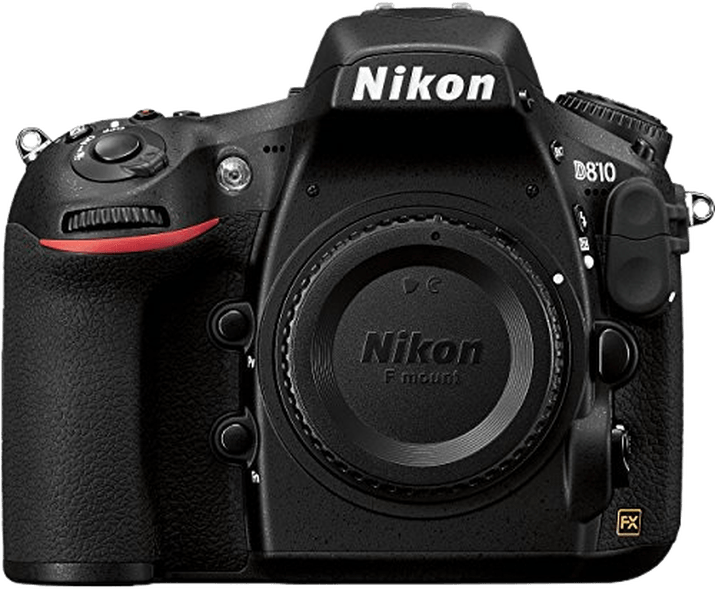
- Resolution
- 36.3 MP
- Sensor
- Full Frame
- Video
- Full HD
- Weight
- 980 g
Highlights
- 36.3 MP full frame sensor for outstanding images
- ISO range is expandable down to 64 ISO
- Dual card slots for extra memory
Trade-Offs
- Sluggish 5 fps max shooting speed at full resolution
- Heavy camera body
- LCD screen isn't a touch screen and there's no screen articulation
- No Wi-Fi connectivity built in
- No 4K video quality, only Full HD
5. Panasonic Lumix GH5
Best MFT Camera for Artists
Panasonic Lumix DC-GH5
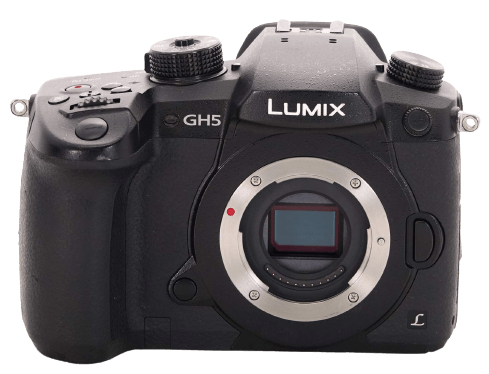
- Resolution
- 20.3 MP
- Sensor
- Micro Four Thirds
- Video
- 4K
- Weight
- 725 g
Highlights
- Brilliant features for photos and videos
- Powerful MFT sensor
- 4K video at 60 fps
Trade-Offs
- Large body for a Micro Four Thirds
- No built-in flash
- No USB charging
- Disappointing low-light still performance
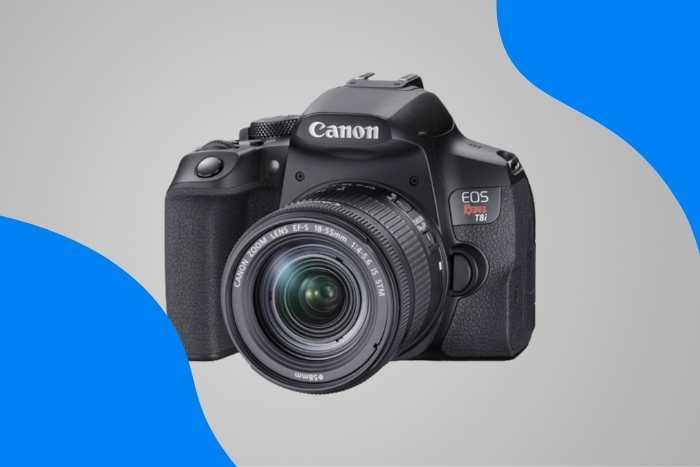
6. Canon EOS Rebel T8i
Best Beginner DSLR Camera for Artists
Canon EOS Rebel T8i / 850D
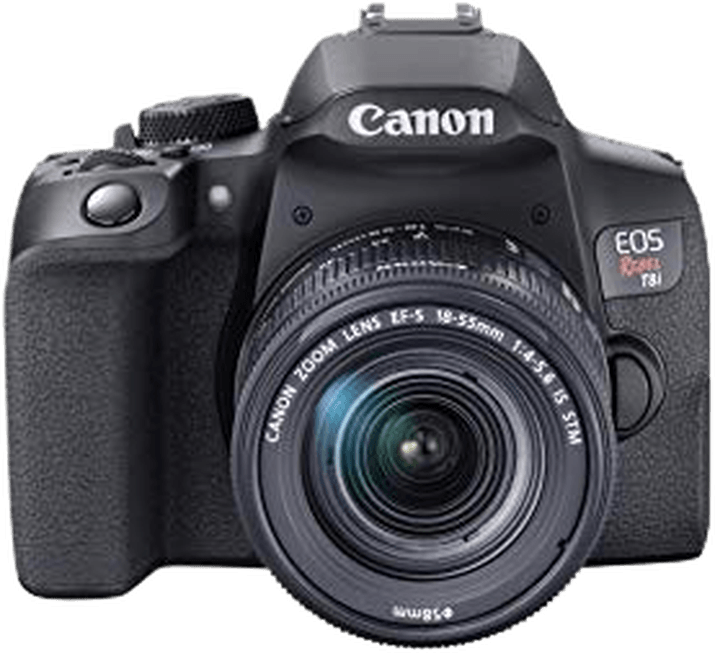
- Resolution
- 24 MP
- Sensor
- APS-C
- Video
- 4K
- Weight
- 515 g
Highlights
- Excellent image quality for entry-level camera
- Good low-light performance
- Camera can be used as a webcam for streaming
Trade-Offs
- Fiddly control dials
- Less reliable AF in video mode
- Small optical viewfinder display
- Cropped 4K video
7. Fujifilm X-T30 II
Best Fujifilm Camera for Artists
Fujifilm X-T30 II
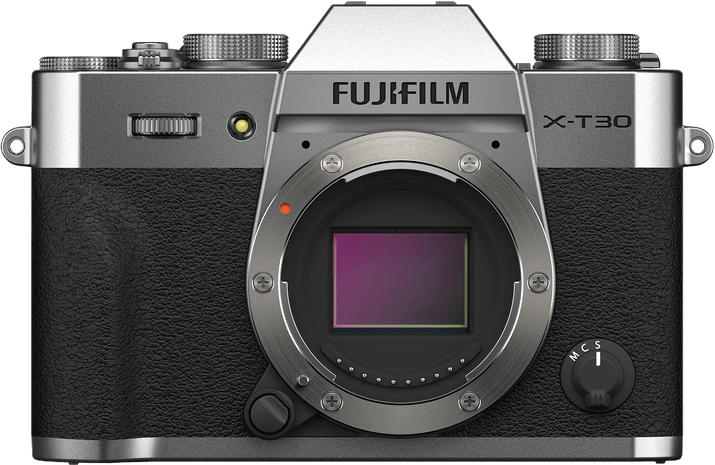
- Resolution
- 26 MP
- Sensor
- APS-C
- Video
- 4K
- Weight
- 383 g
Highlights
- Stylish camera body
- Powerful 26.1 MP APS-C sensor
- 100 and 80 ISO settings
Trade-Offs
- No in-body stabilization
- Poor ergonomics with longer lenses
- Q button awkwardly positioned
- Rear screen is not fully articulated
8. Sony RX100 VII
Best Compact Camera for Artists
Sony RX100 VII
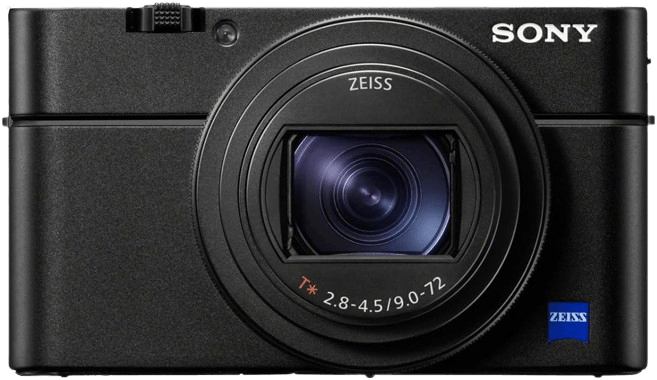
- Resolution
- 20 MP
- Sensor
- 1"
- Video
- 4K
- Weight
- 302 g
Highlights
- Excellent image quality for a compact camera
- Brilliant Zeiss fixed lens with 8x zoom
- It's full of multimedia features
Trade-Offs
- Very expensive
- Image quality isn't great
- Not the best low-light performance
- No microphone jack
- No headphone jack
9. Olympus OM-D E-M5 Mark III
Best Olympus Camera for Artists
Olympus OM-D E-M5 Mark III
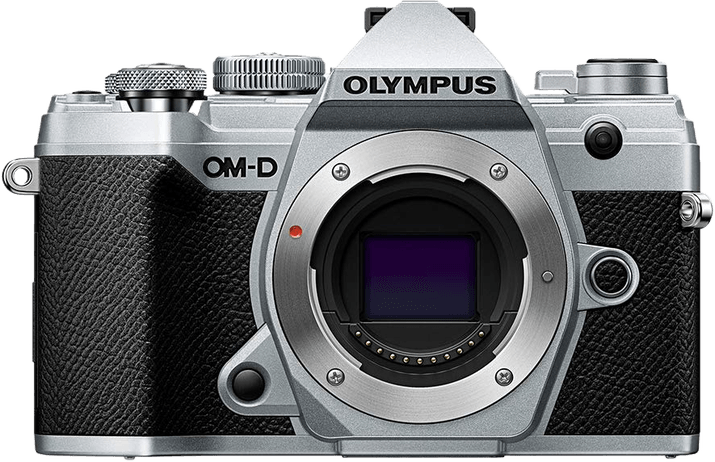
- Resolution
- 20 MP
- Sensor
- Micro Four Thirds
- Video
- 4K
- Weight
- 414 g
Highlights
- Compact and lightweight camera body
- 50 MP High-Res Shot mode
- Built-in 5-axis image stabilistion
Trade-Offs
- Only 10 fps with AF tracking
- Complicated Olympus menus
- No headphone out
- No video log profile for dynamic range or colors
- An average battery life
10. Fujifilm GFX 50S II
Best Medium Format Camera for Artwork
Fujifilm GFX 50S II
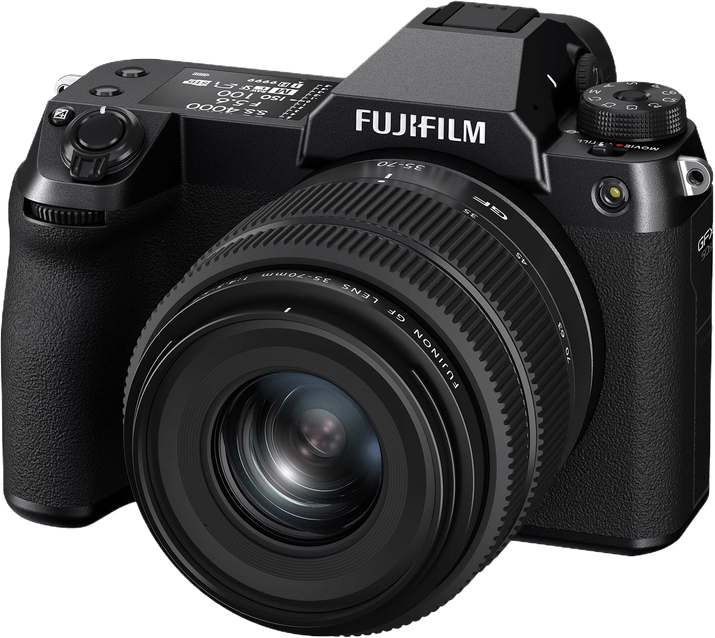
- Resolution
- 51 MP
- Sensor
- Medium Format
- Video
- Full HD
- Weight
- 900 g
Highlights
- Incredible 51.4 MP sensor resolution
- Built-in image stabilisation
- Unbeatable dynamic range
Trade-Offs
- Unreliable face and eye detection, unavailable in Continuous AF
- Slow contrast-detect autofocus
- Slow 3 fps continuous shooting rate
- No 4K Ultra HD video
- 16-shot stitching only works with a tripod and static subjects
Our Verdict
We selected the Sony A7 III as the best camera for artists. It produces superb quality photos with stunning colors and a wide dynamic range. The quality in detail is unquestionable.
We also list the Canon 90D if you want a powerful APS-C DSLR camera. And the Nikon D810 is a full frame DSLR option. The Sony a6400 and Fujifilm X-T30 II are two top mirrorless cameras for photographing art. And there’s the Fujifilm GFX 50S II if you want more power.
Photographing art is a sophisticated process. Capturing art with a digital camera isn’t easy. But life is much easier if you have the best camera for artwork photography. Photographing art is creating a true, digital representation of the artwork. All the cameras on our list can do exactly that.
Buyer’s Guide for Artwork Photography Cameras
Finding the perfect camera for photographing artwork isn’t easy. But we have some extra information to help you find the digital camera you need. We will tell you the specs to look for. And we’ve also got some tips for photographing artwork.

Camera Type and Sensor Size
You’ll need a DSLR or mirrorless camera if you’re a serious artist. Both types are made for serious photography. You can find beginner, enthusiast, and pro types of either type. But they’re all fine for taking photos of art. You can also find good compact cameras if you want something smaller and more convenient.
You also need to think about sensor size. You can get APS-C (crop sensor) or full frame mirrorless and DSLR cameras. Full frame sensors are larger than APS-C. They tend to have a higher resolution. But full frame digital cameras tend to be at the pro end of the scale.
You also have Micro Four Thirds (MFT) cameras. This sensor type is smaller than APS-C and full frame. But you can still get excellent images. Compact cameras have small sensors, often only 1-inch in size. But this might be enough for some art photography.
Image Quality
Image quality is one of the most important factors when looking for a new camera for artwork. You want a true representation of your work. You don’t want poor image quality to take anything away from your masterpiece.
The sensor resolution is the main indicator of image quality. The higher a sensor’s megapixel (MP) count, the better the image quality is. That’s only a general rule. Other factors can influence the quality of your images.
ISO Range
The ISO tells you how sensitive the sensor is to light. A lower ISO setting means it’s less sensitive. And a higher ISO setting tells you it’s more sensitive. But you’re more likely to experience digital noise at higher ISO levels.
Artists should stick to low ISO settings when photographing artwork. A low ISO setting gives you the best image quality. 100 ISO is available on most cameras. But 50 ISO is even better if you can find it.

Tips for Photographing Artwork
Photographing artwork isn’t easy. And when done badly, the artwork is only a shadow of its true self. You want the photos to show your art in all its glory. That means you have to do it correctly. You can’t take shortcuts when photographing art.
Here’s an excellent video on the process of photographing art.
Hang Art on a Wall or Flat on the Ground
Hanging your art on the wall is one of the best ways of capturing it with a digital camera. Remove it from the easel and hang it flat against the wall.
Leaning the canvas against the wall won’t do because the art will be at an awkward angle. You want the camera and lens to point at the painting straight on.
Hang the artwork at about head height for the best result in natural light. Window placement in buildings has people standing up in mind. That means the best light is at about eye level.
You can also lay your artwork flat on the ground. Then you can take the photo directly above the image. You can use a tripod that inverts for this technique.
Use Lighting Equipment for Perfectly Even Light
You won’t need extra lighting if you have a studio with plenty of natural light. But you might need reflectors if you only have light from one side. This creates shadows and gives you an uneven digital image. Reflectors help you balance the natural light.
You can also use LED panel lights. You can adjust them to match the natural light you have. Or you can use two of them for even artificial lighting. Place one on either side of the camera, so they face the painting at a 45-degree angle. This will remove unwanted shadows. And softboxes remove glare from lights if you’re shooting oil paintings.
Use a Tripod for Stability
A tripod is vital for photographing artwork. You don’t need one for shooting a gallery or exhibition. But you want the best image quality when documenting individual art pieces. A tripod gives you stability. And it allows you more options with exposure settings (aperture, shutter speed, and ISO!).
You definitely need one for taking photos from above. But this depends on the size of your artwork. The span of the tripod’s legs needs to be larger than your artwork. Or you can use a tripod with an overhead mount.
We hope our guide has helped you in your quest to find the perfect camera. if you require more inspiration try our articles on the best camera for family photography or concert photography cameras next!