Product specifications and highlights restored from our saved catalogue records. The original article date and recommendations are unchanged.
You need your photos and videos to stand out from the crowd. That’s why you need to find the best cameras for Instagram.
Instagram has become more than a social media platform. There’s no shortage of funny photos and memes.
But for many, Instagram is their place of business. Artists and designers promote and sell their work. And influencers use the platform to build a devoted following.

What is the Best Camera for Instagram?
Finding the best camera for Instagram isn’t easy. There are so many cameras to choose from it can be hard to find the one that’s best for you. If you’re struggling to narrow down your options, here are some things you need to consider.
What Camera is Best for Creating Instagram Content?
You need to think about the Instagram content you want to create. Do you want to be an influencer promoting clothes and products? Or maybe you’re an influencer focusing on health and fitness. Do you need sharp photos or do you want to create video tutorials?
Good image quality is a crucial specification if you’re looking for an Instagram camera for photos. You will also want to consider low light performance. And image stabilization and autofocus systems are other things to look out for.
Video definition is the main feature videographers need to consider. 4K video has become standard. And you shouldn’t accept anything less in an Instagram camera for videos.
The best Instagram cameras also need connectivity features. You want to transfer and share your content as quickly and easily as possible. Wi-Fi connectivity and app software make the process more straightforward. And it’ll save you loads of time.
If you’re a travel influencer, you’ll want a portable and lightweight camera. But it’ll also need excellent photo and video specs (and weather sealing if you plan to do some action or skiing photography!). You want your travel photos to stand out on a busy social media platform.

What Cameras do Instagram Influencers Use?
Gone are the days when influencers produced all their content using their smartphones. Smartphone cameras have come a long way. But they don’t have the quality or the functionality for professional influencers.
The type of camera they use depends on the content they create. Influencers promoting products or food look for cameras with excellent image features. They like to use DSLR or mirrorless cameras. Travelers might go for something more compact.
Video creators and vloggers use cameras that have excellent video features. They want an all-in-one camera that produces images they can share without having to do much editing. Mirrorless cameras have the best video tech. But some DSLRs can still cut it.
Every influencer is unique. Their camera choices are influenced by the content they create. And that’s exactly how you should approach buying a camera for Instagram. You need a camera that suits your needs as an Instagram content creator.
Here’s a quick look at our top 10 cameras for Instagram. Keep scrolling to see the full list with all the details you need to know.
- Canon EOS Rebel T8i / 850D
- Fujifilm X-T3
- Panasonic Lumix G100
- Sony RX100 VII
- Sony ZV-1
- GoPro Hero10 Black
- Sony a7 III
- Canon EOS 90D
- Olympus OM-D E-M10 Mark IV
- Panasonic Lumix LX100 II
15 Best Cameras for Instagram in 2022
Finding the best camera will help you get ahead on Instagram. But to find the best camera for Instagram, you need to think about the type of content you want to create. Do you need a photography camera for product shots? Are you a travel blogger? Or are you creating video content?
We’ve covered all the bases in our list of the best cameras for Instagram. We’ve got cameras for photographers, vloggers, and travelers. And we understand newer content creators might not have much cash to splash on a camera, so our list considers your budget, too.
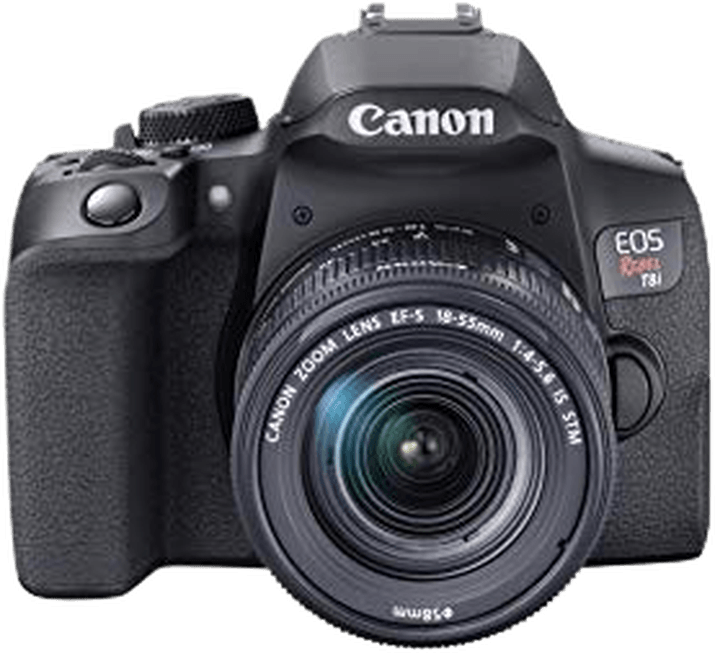
Canon EOS Rebel T8i / 850D
- Resolution
- 24 MP
- Sensor
- APS-C
- Video
- 4K
- Weight
- 515 g
Highlights
- Excellent Image Quality
- Fantastic Video Options
- Solid Low-Light Performance
Trade-Offs
- Fiddly control dials
- Less reliable AF in video mode
- Small optical viewfinder display
- Cropped 4K video
- Canon EOS Rebel T8i camera with funky pattern background
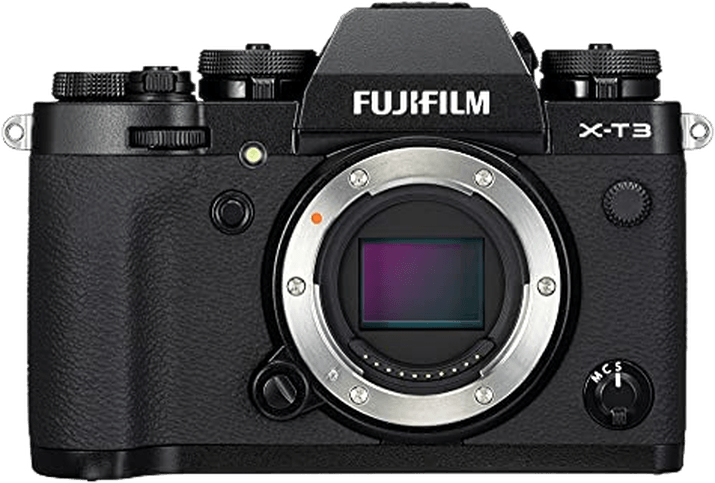
Fujifilm X-T3
- Resolution
- 26 MP
- Sensor
- APS-C
- Video
- 4K
- Weight
- 539 g
Highlights
- 26.1 MP Image Sensor
- 30 fps Burst Mode
- Weather-Sealed
Trade-Offs
- No image stabilization
- Grip not ideal for large hands
- Limited articulation with touchscreen
- Below-average battery life
Panasonic Lumix G100
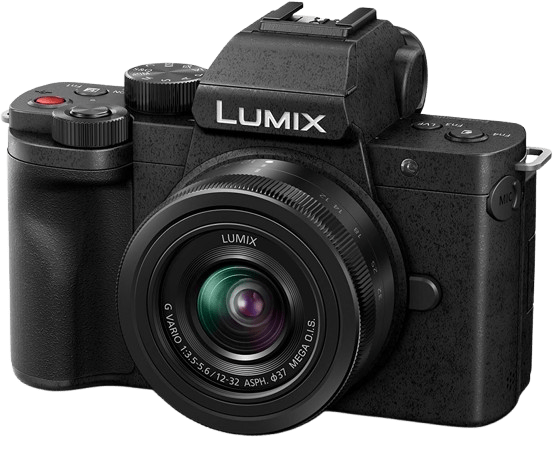
- Resolution
- 20 MP
- Sensor
- Micro Four Thirds
- Video
- 4K
- Weight
- 352 g
Highlights
- Excellent Video and Vlogging Features
- Affordable
- Articulating Screen
Trade-Offs
- Limited still photography options
- 10-minute time limit for 4K video
- Video cropped when shooting 4K
- No headphone or USB ports
Sony RX100 VII
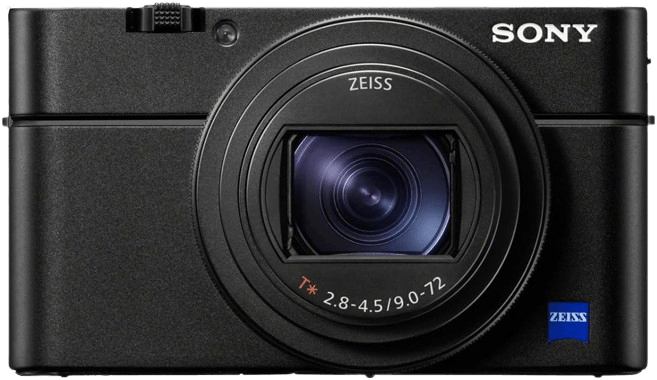
- Resolution
- 20 MP
- Sensor
- 1"
- Video
- 4K
- Weight
- 302 g
Highlights
- Pocket-Sized Camera
- Zeiss Zoom Lens
- 4K Video
Trade-Offs
- Very expensive
- Image quality isn't great
- Not the best low-light performance
- No microphone jack
- No headphone jack
Sony ZV-1
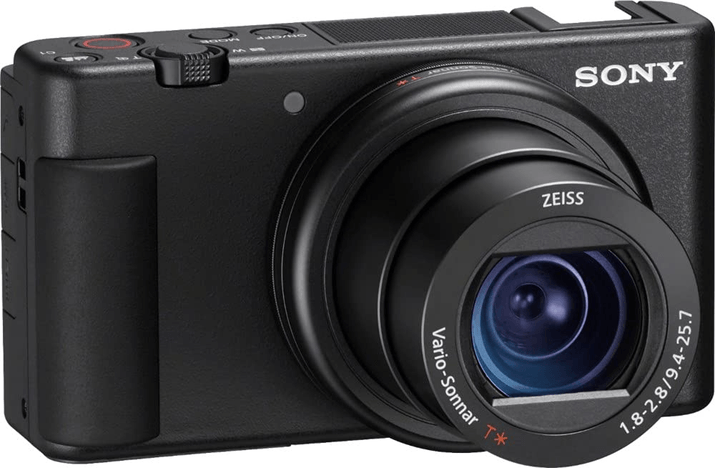
- Resolution
- 20 MP
- Sensor
- 1"
- Video
- 4K
- Weight
- 294 g
Highlights
- Rotating Screen
- In-Body Forward Mic
- Eye-Recognition AF
Trade-Offs
- Poor image stabilization
- Disappointing battery life with video
- Fixed lens is not a wide-angle
- Not all Mac operating systems support webcam software
GoPro Hero10 Black
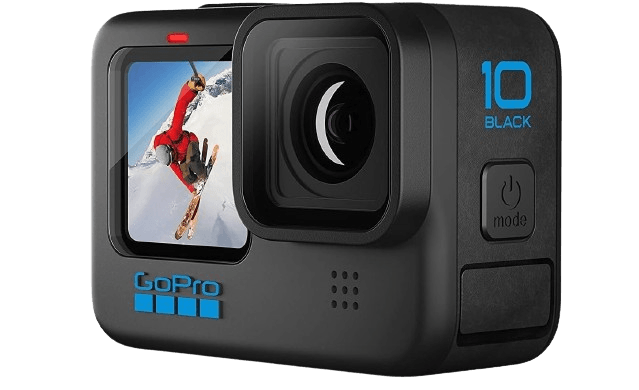
- Resolution
- 23 MP
- Sensor
- Not recorded
- Video
- 5K
- Weight
- 153 g
Highlights
- 5.3K Video
- Compact and Waterproof
- Excellent Image Stabilization
Trade-Offs
- Struggles in low-light conditions
- The touchscreen is small and fiddly
- Battery life could be better
- Overheats at higher video settings
- Mobile video editing only possible with latest smartphones
Sony a7 III
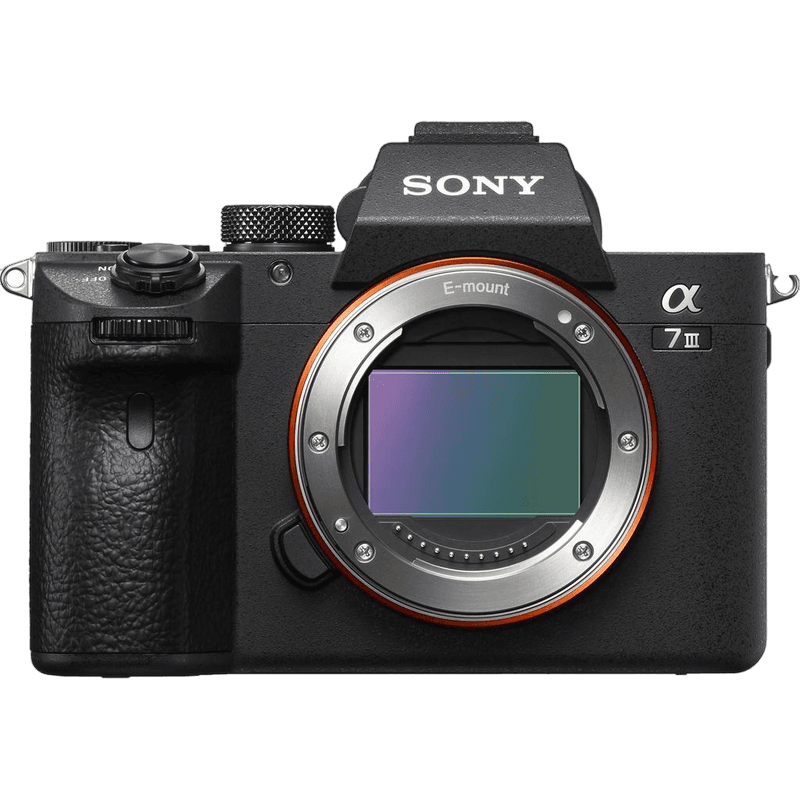
- Resolution
- 24.2 MP
- Sensor
- Full Frame
- Video
- 4K
- Weight
- 650 g
Highlights
- Incredible AF System
- Smooth 4K Video
- Excellent Low-Light Performance
Trade-Offs
- Noise reduction can remove details
- Front heavy with big lenses
- Menu system is difficult to get used to
Canon EOS 90D
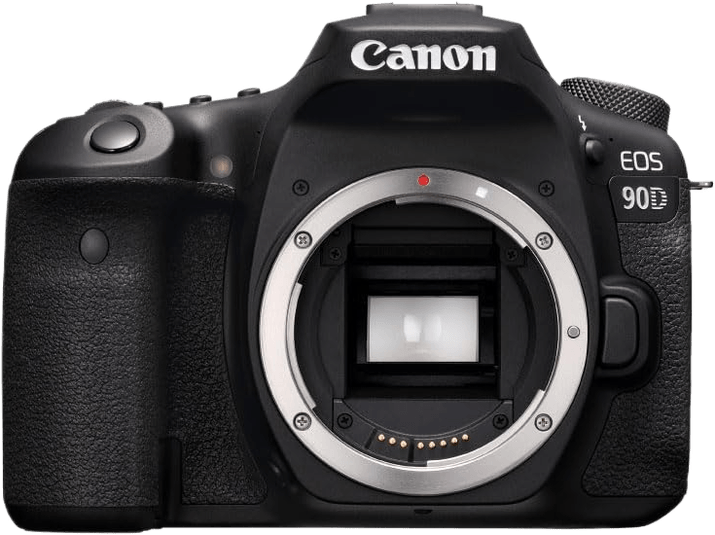
- Resolution
- 33 MP
- Sensor
- APS-C
- Video
- 4K
- Weight
- 701 g
Highlights
- 32.5 MP APS-C Sensor
- 4K and UHD Video Options
- Sophisticated AF System
Trade-Offs
- Unreliable autofocus when using the optical viewfinder
- 4K video has a soft focus
- No in-body image stabilization
- Limited video codecs and frame rates
Olympus OM-D E-M10 Mark IV
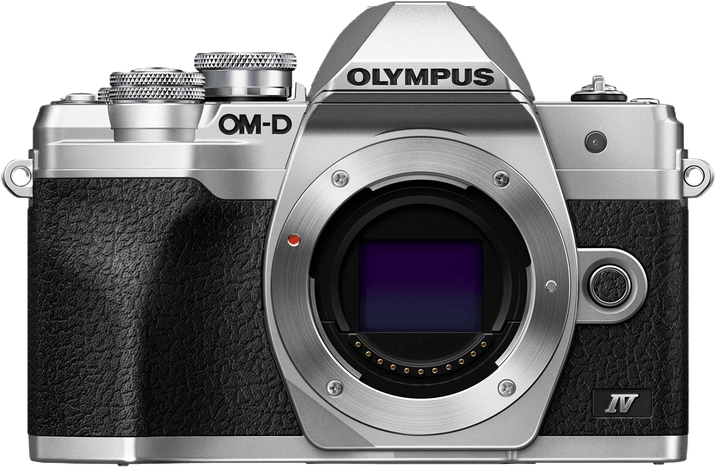
- Resolution
- 20 MP
- Sensor
- Micro Four Thirds
- Video
- 4K
- Weight
- 383 g
Highlights
- Excellent Image Quality
- In-Body Stabilization
- Wide Range of Compatible Lenses
Trade-Offs
- Small sensor
- AF has slow continuous shooting
- Contrast-detection AF system is slower than phase-detection systems
- No microphone and headphone jacks
- Plastic body and isn't weather sealed
Panasonic Lumix LX100 II
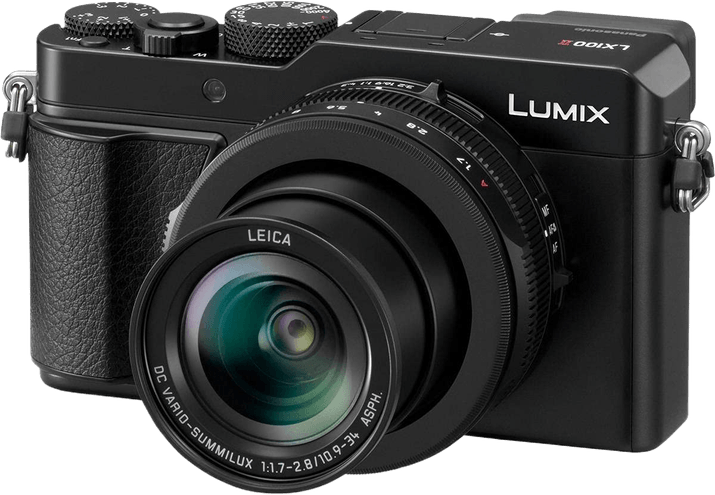
- Resolution
- 17 MP
- Sensor
- Micro Four Thirds
- Video
- 4K
- Weight
- 392 g
Highlights
- Fixed Leica Lens
- Macro Shooting
- 4K Video at 30 fps
Trade-Offs
- Large for a compact camera
- Focus stacking is only possible at 8 MP
- No articulating screen
- Narrow field of view in video mode
- Vulnerable to the elements with no environmental sealing
Olympus Tough TG-6
- Resolution
- 12 MP
- Sensor
- 1/2.3”
- Video
- 4K
- Weight
- 253 g
Highlights
- Very strong and durable body
- Waterproof to 50 ft (15.5 m)
- RAW file shooting capabilities
- Excellent macro shooting
- Smooth 4K video recording
Trade-Offs
- Only 12 MP image resolution
- No fully manual controls
- No touchscreen
- Annoying notifications with Wi-Fi app
Fujifilm X-M1
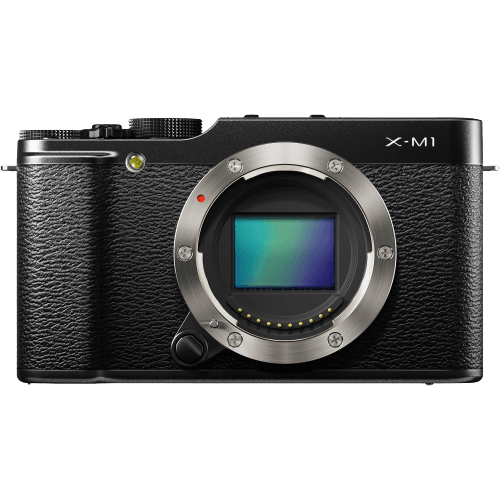
- Resolution
- 16 MP
- Sensor
- APS-C
- Video
- Full HD
- Weight
- 330 g
Highlights
- Compact body slips into a small bag
- 16MP APS-C sensor leaves cropping room
- Fujifilm X mount accepts X-mount lenses
- Tilting screen helps shoot from awkward angles
- WiFi and Bluetooth connectivity built in
Trade-Offs
- Dated image sensor
- No image stabilization
- Very low burst speed of 5.6 fps
- No touchscreen or small control dial
- Only Full HD video and no 4K
Nikon Z50
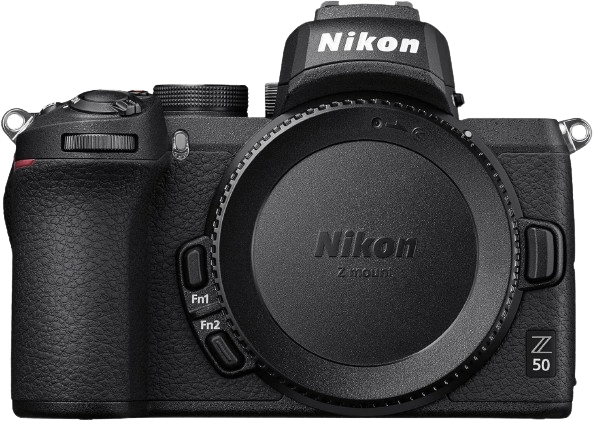
- Resolution
- 21 MP
- Sensor
- APS-C
- Video
- 4K
- Weight
- 450 g
Highlights
- A more affordable mirrorless option
- Nice to handle and use
- Relatively lightweight and not too bulky
- Solid 4K video performance
Trade-Offs
- 20.8 MP sensor resolution is lower than many close competitors
- Poor battery life
- Only one memory card slot
- Limited native APS-C lenses
Panasonic Lumix DC-GH5
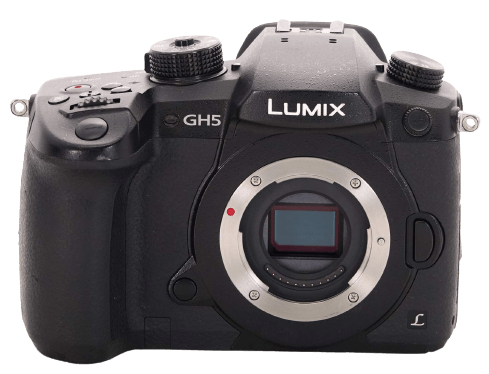
- Resolution
- 20.3 MP
- Sensor
- Micro Four Thirds
- Video
- 4K
- Weight
- 725 g
Highlights
- Smooth video at up to 60fps
- In-body stabilisation steadies handheld shots
- Weather-sealed body handles outdoor conditions
- Dual UHS-II compatible SD card slots
- High-resolution 3.68M-dot electronic viewfinder
Trade-Offs
- Large body for a Micro Four Thirds
- No built-in flash
- No USB charging
- Disappointing low-light still performance
Insta360 ONE X2
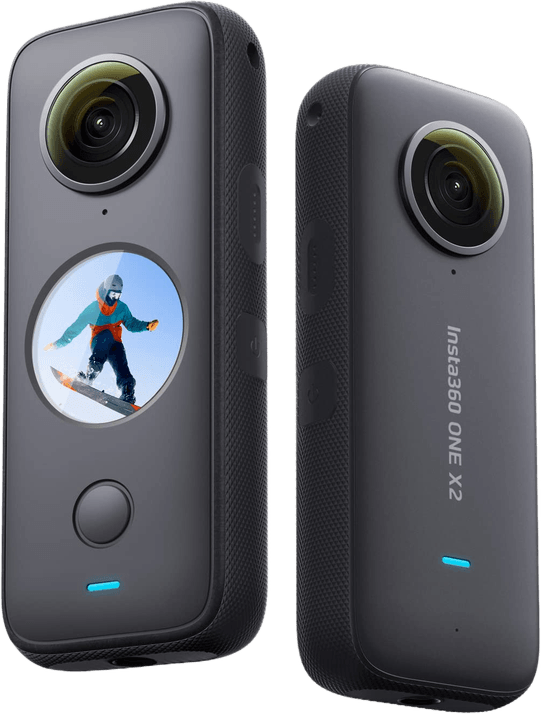
- Resolution
- 18 MP
- Sensor
- Not recorded
- Video
- 6K
- Weight
- 149 g
Highlights
- Uses advanced FlowState image stabilization for smooth footage
- Voice control operations
- Waterproof and shoots underwater down to 33 ft (10 m)
- Invisible selfie-stick mode is handy for filming yourself
- Shoots stunning 5.7K video
Trade-Offs
- Features are limited compared to non-360 action cameras
- It has a tendency to freeze when used for a long time
- Touchscreen is very small and fiddly
- Battery life isn't great
- Can only be paired with the latest smartphones
- Woman's hand holding a smartphone with Instagram loaded
If you’re creating photos for Instagram, the Fujifilm X-T3 might be the best camera for you. The Panasonic Lumix G100 is the best camera for Instagram videos. And the Canon EOS Rebel T8i is the all-around best camera for Instagram.
We’ve also included the best mirrorless and compact cameras. And there’s the GoPro Hero 10 or the Olympus Tough TG-6 for adventurous content makers. And there are cameras on here for budgets of any level.
We hope our guide has helped you in your quest to find the perfect camera for Instagram. If you require more inspiration try our articles on the best camera for family photography or concert photography cameras next!