Product specifications and highlights restored from our saved catalogue records. The original article date and recommendations are unchanged.
The first step on the road is finding the best camera for car photography.
We’ve tested the cameras, checked the specs, and spoken to industry insiders. Like all types of product photography, car photography has a unique set of demands. And we’ve made sure every camera on this list is up to the job of car photography.

What is the Best Camera for Car Photography?
Car photography plays an integral role in the motor industry. You could be taking stylish shots for a big brand marketing campaign. Maybe you’re reviewing a car for a motor publication. Or perhaps you’re selling a second-hand car online. Whatever the occasion, getting car photography right is vital.
To find the best cameras for car photography, you need to know the demands of the discipline. There are different types of car photography. And you need to know the settings and features required for that specific kind of photography. They’ll guide you to the best camera for car photography.
Before we discuss each camera in detail, let’s have a look at the top 10:
13 Best Cameras for Car Photography
Once you know what functions and features you need, it’s time to find the best camera for car photography.
We’ve tested the cameras, read the reviews, and counted the scores. And with the help of photographers and car industry insiders, we’ve compiled our list of the best cameras for car photography.
Sony a7R IV
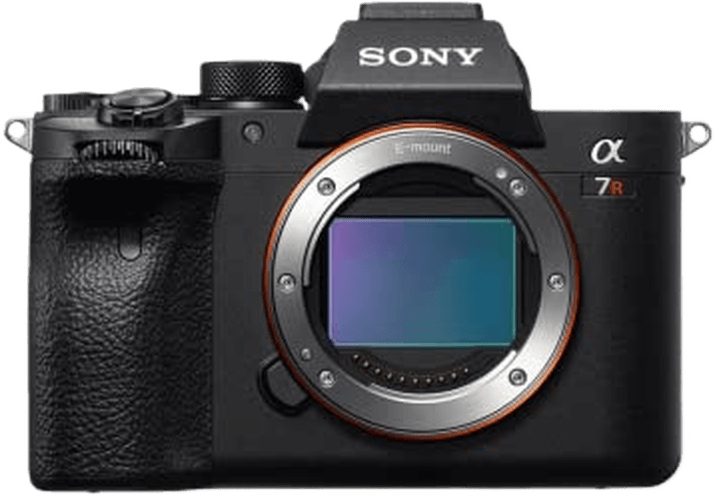
- Resolution
- 61.2 MP
- Sensor
- Full Frame
- Video
- 4K
- Weight
- 665 g
Highlights
- Amazing Image Resoltion
- 50 ISO Setting
- Autofocus has Face and Eye Detection
- 15 Stops of Dynamic Range
Trade-Offs
- Long write times
- Poor AF at high frame rates
- No pixel-shift motion compensation
- Complicated menus
- Limited, laggy touchscreen functionality
Canon EOS R5
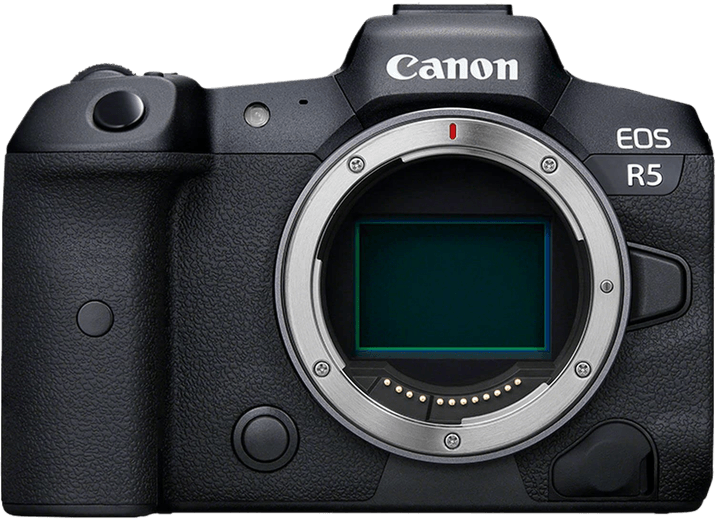
- Resolution
- 45 MP
- Sensor
- Full Frame
- Video
- 8K
- Weight
- 680 g
Highlights
- Incredible 8K Ultra-HD Video
- 45MP Full-Frame Image Sensor
- Dual-Pixel AF Tracking
- In-Body Stabilization
Trade-Offs
- Expensive
- Complicated autofocus setup
- Noise reduction applied to RAW files
- Hard to customize
- Overheats shooting video
Nikon D850
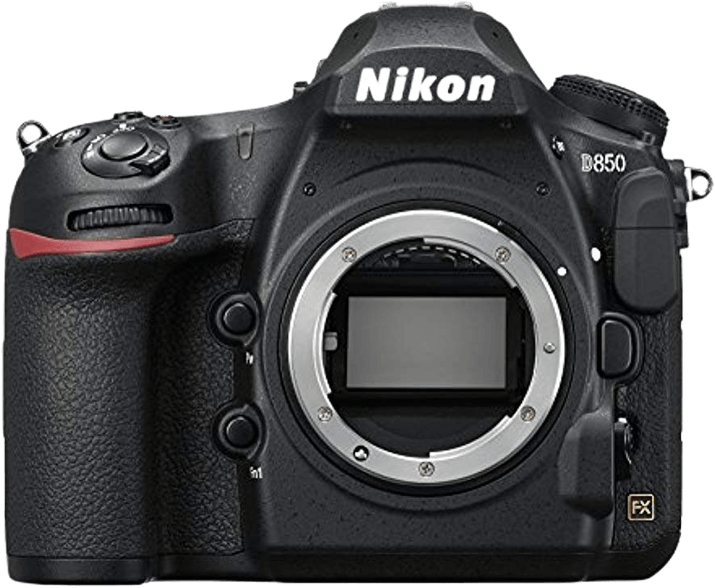
- Resolution
- 45.7 MP
- Sensor
- Full Frame
- Video
- 4K
- Weight
- 1005 g
Highlights
- 45.7MP Sensor with Superb Image Quality
- Wide ISO Range with Low of 64
- Long-Lasting Battery Life
- Excellent Tracking AF
Trade-Offs
- No customizable shooting presets
- Slow autofocus in Live View
- Needs an expensive XQD card
- Rolling shutter noticeable in 4K video
- Slow 7 fps or 9 fps with an expensive battery grip
Fujifilm X-T4
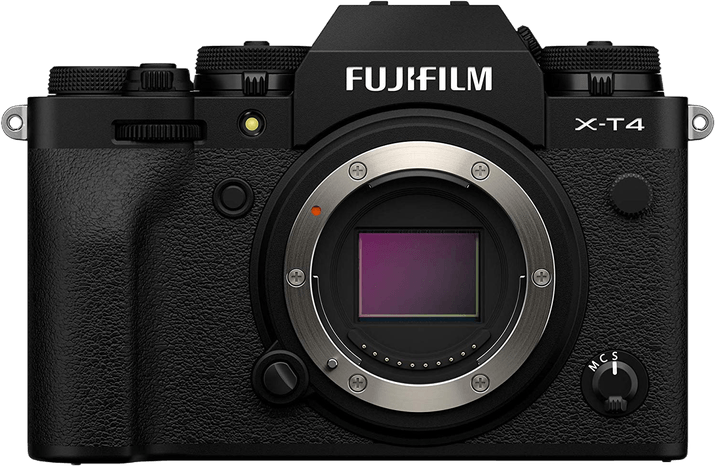
- Resolution
- 26 MP
- Sensor
- APS-C
- Video
- 4K
- Weight
- 607 g
Highlights
- High MP Count for APS-C Sensor
- Excellent 425-point Tracking AF System
- Fully-Articulating Touchscreen and Monitor
Trade-Offs
- Expensive for an APS-C camera
- Autofocus speed and accuracy depends on the lens and the subject
- Unreliable face and eye detection
- No external battery charger provided
- Limited video recording time
- No subject tracking in video mode
Nikon Z50
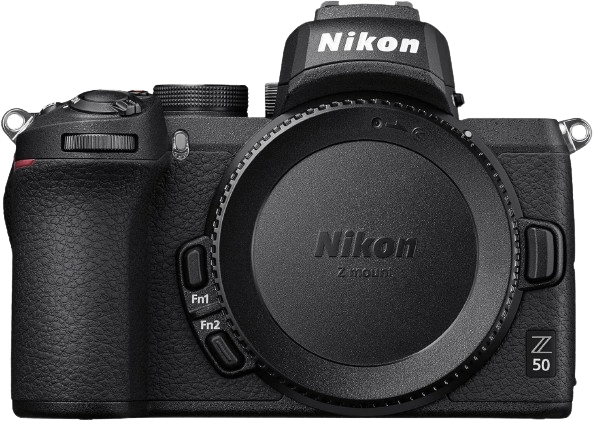
- Resolution
- 21 MP
- Sensor
- APS-C
- Video
- 4K
- Weight
- 450 g
Highlights
- Affordable Mirrorless Camera
- Compact Body
- 4K Video with Effect and Filters
Trade-Offs
- 20.8 MP sensor resolution is lower than many close competitors
- Poor battery life
- Only one memory card slot
- Limited native APS-C lenses
Sony a9 II
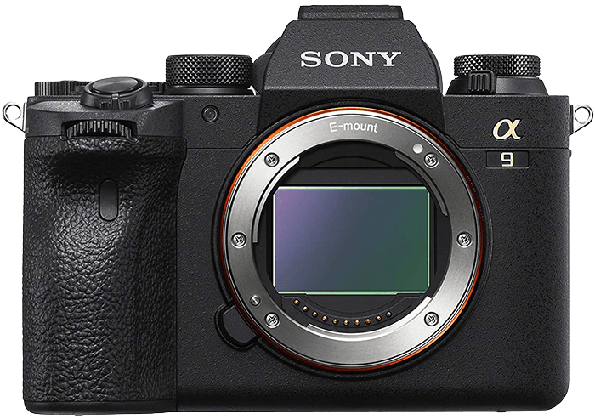
- Resolution
- 24.2 MP
- Sensor
- Full Frame
- Video
- 4K
- Weight
- 678 g
Highlights
- Lightning-Fast and Responsive AF
- In-Body Stabilization
- 20fps Continuous shooting with high burst limits.
Trade-Offs
- No in-camera RAW image processing
- Confusing menus
- Battery performance isn't great
- No S-Log video
- Subpar video quality compared to new full-frame cameras
Sony a1
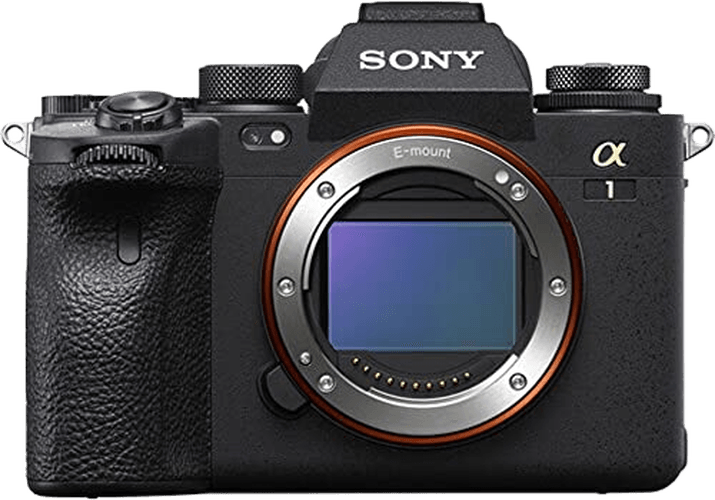
- Resolution
- 50.1 MP
- Sensor
- Full Frame
- Video
- 8K
- Weight
- 737 g
Highlights
- 30fps Burst Mode
- 50.1MP Image Sensor
- Silent Shooting
Trade-Offs
- Expensive
- Highest frame rates only for JPEG, HEIF, and lossy compressed RAW files
- Eye tracking only selected manually
- Small rear LCD screen
- No GPS
Olympus OM-D E-M5 Mark III
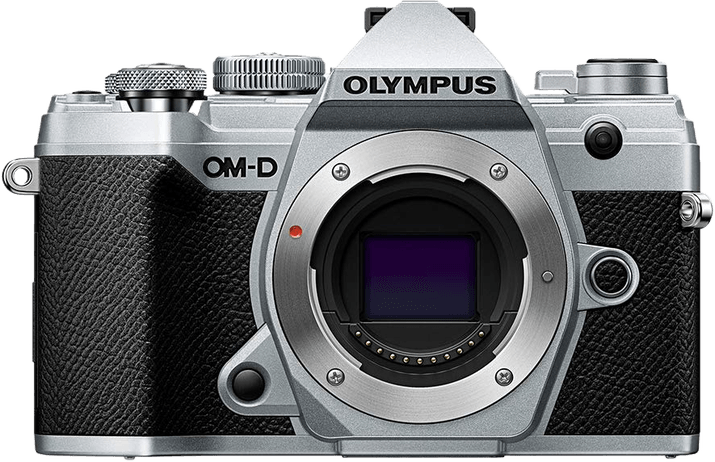
- Resolution
- 20 MP
- Sensor
- Micro Four Thirds
- Video
- 4K
- Weight
- 414 g
Highlights
- 30fps Burst Rate
- 6.5 Stops of Image Stabilization
- Weather-Sealed
Trade-Offs
- Only 10 fps with AF tracking
- Complicated Olympus menus
- No headphone out
- No video log profile for dynamic range or colors
- An average battery life
Panasonic Lumix LX100 II
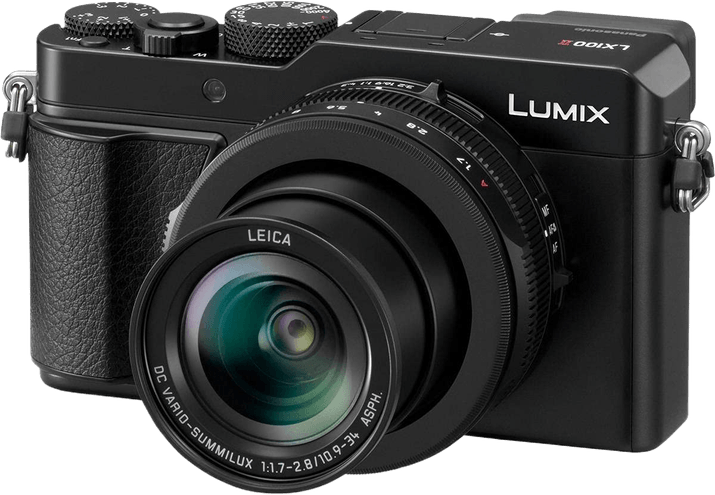
- Resolution
- 17 MP
- Sensor
- Micro Four Thirds
- Video
- 4K
- Weight
- 392 g
Highlights
- 4K video at 30fps
- Good Quality Fixed Lens
- Macro Shooting Options
Trade-Offs
- Large for a compact camera
- Focus stacking is only possible at 8 MP
- No articulating screen
- Narrow field of view in video mode
- Vulnerable to the elements with no environmental sealing
Panasonic Lumix DMC-G80
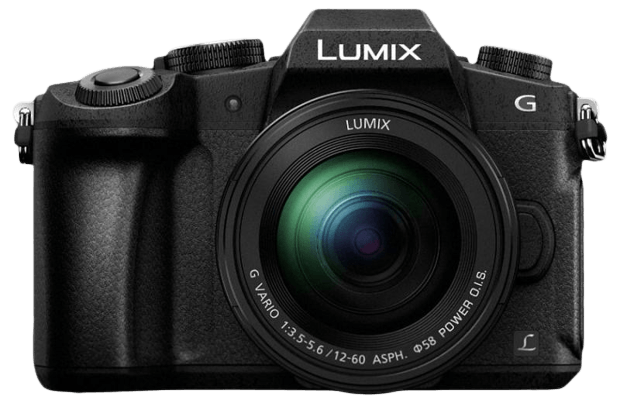
- Resolution
- 16 MP
- Sensor
- Micro Four Thirds
- Video
- 4K
- Weight
- 505 g
Highlights
- No 30 Min. Limit on Video Shooting
- 5-Axis Image Stabilization
- Focus Stacking and Post Focus
Trade-Offs
- Low resolution for stills
- Outdated autofocus system
- Autofocus is limited to 6 fps
- Short battery life
- Poor viewfinder for low-light shooting
Nikon D5600
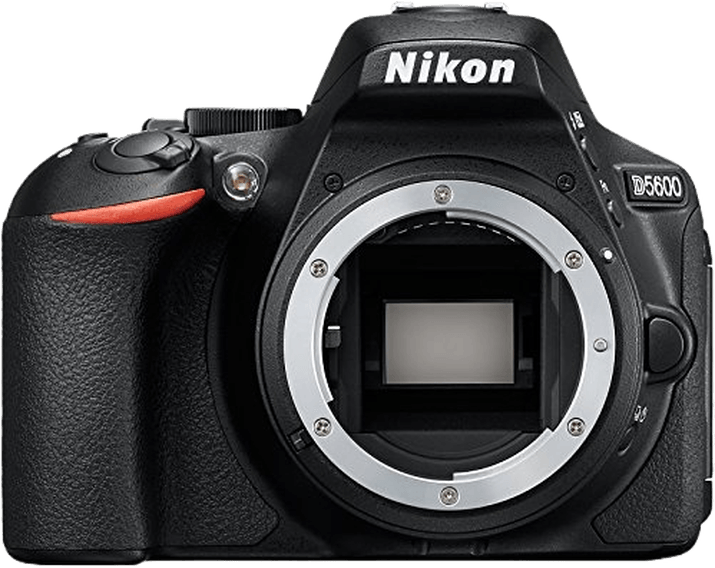
- Resolution
- 24.2 MP
- Sensor
- APS-C
- Video
- Full HD
- Weight
- 465 g
Highlights
- 24.2MP sensor supports detailed, croppable shots
- Flipping touchscreen helps odd-angle shooting
- Battery rated at 970 shots per charge
- Light 465g body travels easily
- Full HD video plus built-in timelapse
Trade-Offs
- Autofocus isn't great in video mode
- No dual memory card slots
- No USB charging
- No Nikon Fine-Tune function to adjust AF for specific lenses
12. GoPro Hero 10
Best Action Camera for Car Photos

The GoPro Hero 10 is the best action camera for car photography. Action cameras aren’t typically suited to product photography or traditional sports photography. But they offer a different kind of car photography.
You can attach a GoPro to a helmet, surface, or person. Use the GoPro Hero 10 for in-car footage during test drives and races. Stick it to the dashboard for exciting race videos. Or put it on drivers’ helmets to see their point of view while they speed around the track.
The GoPro Hero 10 gives you photo and video options. Its image sensor has a resolution of 23MP, which is impressive for a small camera. And the video is 5.3K and shoots at 60 fps. This frame rate gives you incredibly smooth footage. And if the road gets bumpy, the HyperSmooth 4.0 image stabilizer keeps everything looking smooth.
Moving and sharing photos and videos is super simple. You can connect to the GoPro directly using your phone and the Quik app. You can pick media from the camera, send it to another device, or share it on social media. Or you can also use the USB connection.
The GoPro Hero 10 is a niche option. But if you want fantastic action videos, the GoPro Hero 10 is one of the best cameras for car photography.
13. DJI Mavic Air 2
Best Drone for Car Photography

The DJI Mavic Air 2 is another alternative pick for the best camera for car photography. It’s a drone camera for aerial photography. So you can capture shots for race events from above. Or you can record footage of a car driving along a mountain road.
The image sensor is only a half-inch. But the stills and video are of excellent quality. Photos have a resolution of 48MP, which provides exceptional quality. And the video is 4K at 60 fps.
You also have extra multimedia features to boost your car photography. There are panoramas, enhanced HDR photos, and 8K hyperlapse footage.
The battery life is also excellent. You get 34 minutes of uninterrupted flight time. While 34 minutes might not seem like much, it’s an eternity compared to other drone cameras. The controls are easy to master too. And once you get it in flying, it’s easy to capture stills and footage from above.
Our Verdict
The best camera for car photography needs to match specific criteria. Some of these will be personal, like budget and size. At the same time, others will be determined by the type of car photography you want to pursue.
Commercial car photography requires outstanding photo quality. And you might need excellent video footage too. If you’re shooting moving cars and motorsports, you’ll need a camera that’s up to the challenge of fast-paced photography.
Our list includes the best cameras for car photography, no matter your interests. We have top-level cameras for professional car photographers. And you can go for a mirrorless or DSLR camera.

Camera Buying Guide
The Best Camera Features for Car Photography
Image resolution is always a headline feature when buying new cameras. And having excellent image quality is one of your main priorities as a car photographer.
If you’re shooting cars for commercial purposes, you need to show the car in all its glory. It doesn’t matter if it’s a million-dollar commercial or a personal ad in Auto Trader—the car should look its best.
A fast burst mode is also something to look for in a camera for car photography. Most shoots involve the car being in motion. And the best way to capture the vehicle moving at speed is with burst mode. It’s also a vital feature when documenting motor racing events.
You’ll need a fast shutter speed too. Cars move quickly, especially when they’re racing. A fast shutter will keep the race cars looking sharp, so they don’t look like one big blur when darting around the track.

It would be best to look for a camera with a good ISO range. While you’ll want to keep the ISO as low as possible to maintain quality, there will be times when light levels are low. You might have to shoot in a dark garage or at a nighttime race.
An advanced autofocus (AF) system is a must for car photography. It would help if you had an autofocus that locks onto and tracks a moving car. And it might be moving quickly, so the AF needs to keep the vehicle focused. Image stabilization is another feature that can help keep the car looking sharp.
Professional photographers are expected to shoot stills and videos. So a camera with good video specs means you don’t have to switch between cameras. You can take quality photos and videos with the same machine.
The Best Lenses for Car Photography
The best lens depends on the kind of car photography you’re shooting.
A prime lens will work well if you’re shooting a car in the style of product photography. There’s no need for a zoom lens or extra magnification if the vehicle is stationary. And prime lenses have wider aperture ranges, which helps keep the ISO lower.
You’ll need a zoom lens if you’re shooting the car in motion. They give you more options, and you don’t have to change lenses between shots. Wide-angle zoom is the most popular for commercial car photography.
A telephoto lens is the best option for racing events. A telephoto is your best option to keep tabs on the cars as they race around the track. They have excellent magnification to get close to the action without leaving the stands.

Shiny new cars look fantastic. But it can be tricky to get good photographs when they’re in pristine condition. Any lighting you use bounces right off, giving you glare and camera flare.
You also have reflections you need to avoid in your shots. Seeing yourself reflected in the car bonnet will ruin your photographs. You need to get creative with shooting angles and lighting positions.
You want to keep your ISO low to maintain high-quality images. For stationary shots, you can use a slow shutter speed to compensate. But when the car’s in motion, you need a fast shutter speed. You have to widen your aperture to balance the exposure.
Different kinds of vehicles appeal to a variety of people. So use the car’s appeal to influence the car photographs you take. The vehicle in question should represent a way of life for the target audience. And adapt your photography to match the ambitions of your audience.