
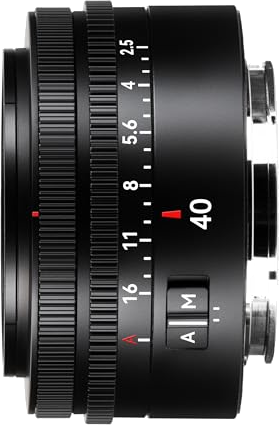
7Artisans AF 40mm f/2.5
7Artisans · 40 mm · f/2.5 · LITE
Score Breakdown
This product does not have an overall score yet.
General | |
|---|---|
About This LensThis compact prime is built for full-frame mirrorless cameras. It comes in Sony E, Leica L and Nikon Z versions, so pick the one made for your system. 7Artisans released it in 2026, and it remains in production. The 40mm focal length sits a little wider than a standard lens. Frames look natural, with some extra context around the subject, which suits street, travel and documentary work. The trade-off is a modest f/2.5 maximum aperture. This lens favours small size and low weight over maximum light gathering, and the later sections cover what that means in practice. | |
| Brand | 7Artisans |
| Release Year | 2026 |
Production Status ⓘCurrent status of lens manufacturing (e.g., in production, discontinued). |  In Production In Production |
Pro Branding ⓘSpecific branding codes used for professional-tier lenses. | LITE |
Lens Mount ⓘThe lens mount will tell you what type of lens range you can fit onto the camera body. Often the same camera company will have different lens ranges for different cameras. | Sony E |
System ⓘIndicates which camera system the lens is designed to attach to. | Sony E |
Maximum Format ⓘLargest sensor size compatible with the lens. |  Full Frame Full Frame |
Physical | |
About the BuildIt weighs 3.2 oz (90 g) and measures 1.57 in (40 mm) long and 2.48 in (63 mm) across. On a full-frame body it barely registers, so long walks stay comfortable. The front takes 46mm screw-in filters, which must match the lens thread. | |
| Lens Weight | 90 g |
Lens Diameter ⓘWidth of the lens at its widest point | 63 mm |
Lens Length ⓘHow long the lens is from front to back. | 40 mm |
Front Filter Compatible ⓘSome lenses are compatible with front filters, some are compatible with back filters and some are compatible with both. Front filters are usually more convenient to add and remove. |  Yes Yes |
Front Filter Size ⓘDiameter of attachable filters. | 46 mm |
Optics | |
About the OpticsA 40mm prime frames street scenes, interiors and casual portraits without much stepping back. It trades a little width for a tighter, calmer composition than a standard lens gives. Portraits at this setting naturally include the space around the person, which favours full and half-length views over tight head shots. At f/2.5 the lens keeps working in evening light and indoors without pushing ISO far. The same setting separates a subject from its background when you shoot close. Very dim rooms still push ISO upward once light falls further. Nine aperture blades help the opening stay close to round as you stop down. That round shape helps background highlights, such as street lamps behind an evening subject, remain smooth. Close focus at 1.3 ft (40 cm) brings food, plants and small objects within easy reach on a walk. You can frame a cup, a menu or flowers without crowding the subject. Maximum magnification reaches 0.13x, enough for plates of food and bunches of flowers. | |
Focal Range ⓘShortest to longest focal length of the lens (zoom range start - end ) | 40 mm |
Aperture Range ⓘLargest aperture at the lens's shortest focal length to longest focal length (aperture range start - end) | 2.5 |
| Focal Length Angle of View | 56.1° |
Flange Focal Distance ⓘDistance from lens mount to sensor. | 18 mm |
Diaphragm Type ⓘStructure and design of the aperture |  Automatic Automatic |
Blades ⓘNumber of diaphragm blades in aperture | 9020 |
Zoom Lens ⓘZoom allows you to vary the focal length, change between long shots and close-ups | No |
Closest Focusing Distance ⓘMinimum distance for a subject to be in focus. | 40 cm01500 |
Maximum Magnification ⓘLargest size a subject can be reproduced | 0.13x |
| Autofocus Mode |  Yes Yes |
| Manual Mode |  Yes Yes |
| Manual Focusing Ring |  Yes Yes |
Features | |
About the FeaturesThe lens carries no image stabilization. Steadiness must come from the camera body or from your own technique. The short 40mm setting also makes small hand movements less visible than they would be on a telephoto. Many mirrorless bodies stabilise the sensor, which can stand in. The Sony E version is sealed against dust and moisture, which helps when conditions turn damp. The Leica L and Nikon Z versions may differ, so check the specification row for your mount before shooting in rain. The front glass has no fluorine coating, so water and fingerprints do not shed easily. A gentle wipe with a soft cloth keeps it clear after damp or dusty outings. | |
Weather Sealing ⓘWeather sealing capabilities will give you more confidence when shooting in unfavourable conditions. |  Yes Yes |
Fluorine Coating ⓘCoating to repel water and oil from lens elements. | No |
| Built In Lens Hood | No |
| Lens Hood Type | Other |
Teleconverter ⓘA teleconverter (extender) is an extra piece of equipment that fits between the lens and the camera body to enhance magnification | No |
| Image Stabilization | No |
Construction | |
About the ConstructionOne aspherical element sits among seven elements arranged in six groups. Its specially shaped surface helps correct distortion, the fault that makes straight edges appear curved. When doorframes, shopfronts or horizons run through an everyday street shot, that correction counts. That straightforward layout suits a lens built this small and light. | |
Elements ⓘLens elements refer to individual pieces of glass within the lens. | 7 |
| Groups | 6 |
Aspherical Elements ⓘThe number of aspherical lens elements which can help correct aberrations such as spherical aberration. | 1 |
Bi Aspherical Elements ⓘElements with two non-spherical surfaces | 0 |
Low Dispersion ⓘElements that reduce chromatic aberration | 0 |
Super Low Dispersion ⓘAdvanced elements further reducing chromatic aberration | 0 |
CA Reduction ⓘBuilt-in features to reduce chromatic aberration | 0 |