
7Artisans 10mm f/3.5
7Artisans · 10 mm · f/3.5
Score Breakdown
Scores combine our editorial testing with published lab data.
General | |
|---|---|
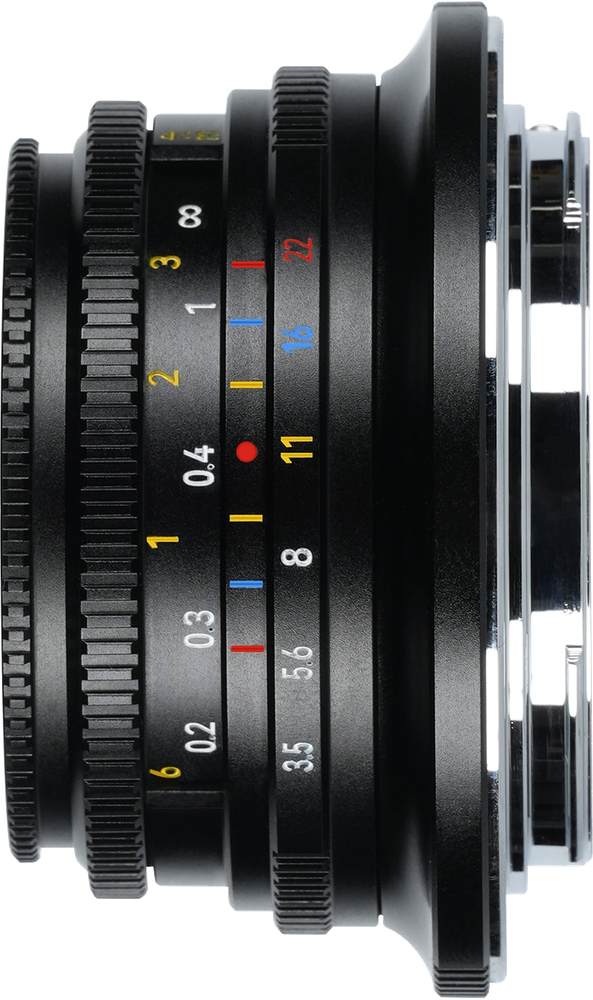
About This LensThis 7Artisans lens is an ultra-wide prime with APS-C coverage, released in 2025 and still in production. It comes in Nikon Z, Fujifilm X, Sony E and Micro Four Thirds versions, so pick the one made for your camera. A 10mm focal length suits interiors, architecture and wide landscapes, where you want the whole scene in frame. It also exaggerates perspective when you move close to a foreground subject. The trade-off is control: focusing is entirely manual, so it favours slow, deliberate shooting over fast-moving work. It is also a very small lens that is easy to keep in a bag. | |
| Brand | 7Artisans |
| Release Year | 2025 |
Production Status ⓘCurrent status of lens manufacturing (e.g., in production, discontinued). |  In Production In Production |
Lens Mount ⓘThe lens mount will tell you what type of lens range you can fit onto the camera body. Often the same camera company will have different lens ranges for different cameras. | Micro Four Thirds |
System ⓘIndicates which camera system the lens is designed to attach to. | Micro Four Thirds |
Maximum Format ⓘLargest sensor size compatible with the lens. |  APS-C APS-C |
Physical57/100 | |
About the BuildThe Nikon Z version weighs just 4.4 oz (126 g). The body is 2.32 in (59 mm) across and 1.34 in (34 mm) long, so it adds almost no bulk to a kit. That version also takes 46mm screw-in filters on its own thread. | |
| Lens Weight | 126 g |
Lens Diameter ⓘWidth of the lens at its widest point | 59 mm |
Lens Length ⓘHow long the lens is from front to back. | 34 mm |
Front Filter Compatible ⓘSome lenses are compatible with front filters, some are compatible with back filters and some are compatible with both. Front filters are usually more convenient to add and remove. |  Yes Yes |
Front Filter Size ⓘDiameter of attachable filters. | 46 mm |
Optics52/100 | |
About the OpticsOn an APS-C sensor, 10mm gives an extreme wide view. You can stand inside a small room and still include its walls, floor and ceiling. Building exteriors and open landscapes fit the frame without stepping back. Moving close to a foreground object then exaggerates its size against the scene behind it. The maximum aperture is f/3.5. Ultra-wide work usually happens stopped down, so this costs less than it would on a portrait lens. At 10mm, depth of field runs deep, and much of the scene records sharp even wide open. That makes the manual focusing far more forgiving than at longer focal lengths. Focusing reaches 0.7 ft (20 cm) from the subject. That is close enough to push a rock, railing or doorway into the foreground while keeping the wider view beyond it. Backgrounds stay largely in focus at 10mm, so subject separation is not this lens's job. The five-blade aperture stops down in clear steps, and out-of-focus highlights lose their round shape at smaller settings. The Nikon Z version is listed at 0.1x magnification. The optics score for this lens is 52. | |
Focal Range ⓘShortest to longest focal length of the lens (zoom range start - end ) | 10 mm |
Aperture Range ⓘLargest aperture at the lens's shortest focal length to longest focal length (aperture range start - end) | 3.5 |
| Focal Length Angle of View | 108° |
Flange Focal Distance ⓘDistance from lens mount to sensor. | 19.25 mm |
Diaphragm Type ⓘStructure and design of the aperture |  Manual Manual |
Blades ⓘNumber of diaphragm blades in aperture | 5020 |
Zoom Lens ⓘZoom allows you to vary the focal length, change between long shots and close-ups | No |
Closest Focusing Distance ⓘMinimum distance for a subject to be in focus. | 20 cm01500 |
Maximum Magnification ⓘLargest size a subject can be reproduced | 0.06x |
| Autofocus Mode | No |
| Manual Mode |  Yes Yes |
| Manual Focusing Ring |  Yes Yes |
Features | |
About the FeaturesNo stabilisation is built in. At 10mm, camera shake shows less at a given shutter speed than at longer focal lengths. The absence costs less here than it would on a telephoto. Interior and architecture work usually happens on a tripod anyway. Even so, handheld shots in dim rooms may need a raised ISO. The lens has no weather sealing. It needs care around rain, spray and dust, since the barrel and mount gaps are unprotected. There is no fluorine coating on the front glass either, so water spots and fingerprints take more effort to wipe away. These omissions fit a small, simple design, but they shape where you take it. | |
Weather Sealing ⓘWeather sealing capabilities will give you more confidence when shooting in unfavourable conditions. | No |
Fluorine Coating ⓘCoating to repel water and oil from lens elements. | No |
| Built In Lens Hood | No |
Teleconverter ⓘA teleconverter (extender) is an extra piece of equipment that fits between the lens and the camera body to enhance magnification | No |
| Image Stabilization | No |
Construction | |
About the ConstructionThe optical path holds 9 elements in 7 groups. No aspherical elements are listed for this family, and the Nikon Z version lists no low-dispersion glass either. The design is a conventional one. Focus is set entirely through the manual ring on the barrel, which keeps your hands in direct control of the plane of focus. | |
Elements ⓘLens elements refer to individual pieces of glass within the lens. | 9 |
| Groups | 7 |
Aspherical Elements ⓘThe number of aspherical lens elements which can help correct aberrations such as spherical aberration. | 0 |
Bi Aspherical Elements ⓘElements with two non-spherical surfaces | 0 |
Low Dispersion ⓘElements that reduce chromatic aberration | 0 |
Super Low Dispersion ⓘAdvanced elements further reducing chromatic aberration | 0 |
CA Reduction ⓘBuilt-in features to reduce chromatic aberration | 0 |
Internal Focusing ⓘInternal Focusing means that the lens does not change in size during focusing, and the front element does not rotate. | No |