
Thypoch Simera 50mm f/1.4 ASPH
Thypoch · 50 mm · f/1.4 · Simera
Score Breakdown
Scores combine our editorial testing with published lab data.
General | |
|---|---|
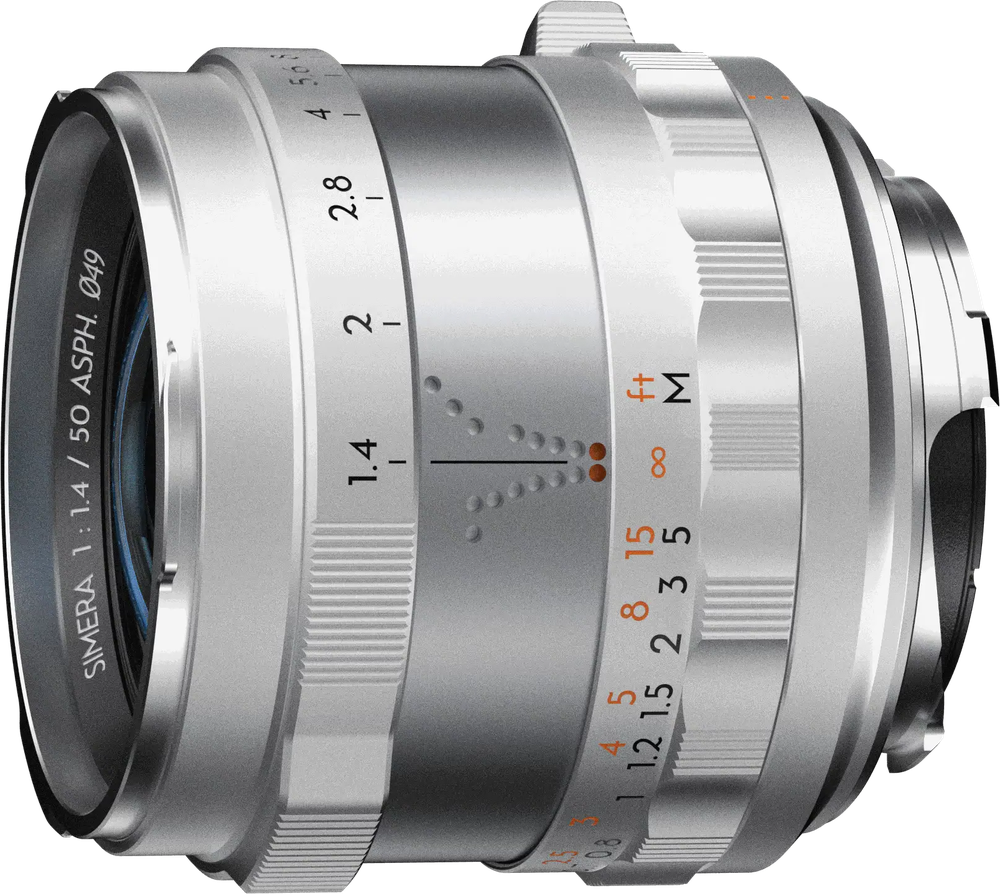
About This LensThe Thypoch Simera 50mm f/1.4 ASPH is a manual-focus prime for photographers who like to work slowly and deliberately. It suits street scenes, portraits and everyday shooting in natural light. Thypoch launched this design in 2024, and it remains in production. It gives manual-focus shooters a new fast normal prime option. It comes in Leica M, Fujifilm X and Nikon Z versions, and each one covers a full-frame sensor. Pick the version made for your camera system. The main trade-off is focus: you set it by hand every time. Fast-moving subjects are hard work, while still scenes reward the care. | |
| Brand | Thypoch |
Production Status ⓘCurrent status of lens manufacturing (e.g., in production, discontinued). |  In Production In Production |
Pro Branding ⓘSpecific branding codes used for professional-tier lenses. | Simera |
Lens Mount ⓘThe lens mount will tell you what type of lens range you can fit onto the camera body. Often the same camera company will have different lens ranges for different cameras. | Fujifilm X |
System ⓘIndicates which camera system the lens is designed to attach to. | Fujifilm X |
Maximum Format ⓘLargest sensor size compatible with the lens. |  Full Frame Full Frame |
Physical64/100 | |
About the BuildThe Leica M version weighs 9.9 oz (280 g) and measures 2.13 in (54 mm) across and 2.09 in (53 mm) long. It is small and light enough to carry all day. A screw-in filter attaches directly to the front, and on this version it must match the 49mm thread. Other mount versions differ in these measurements. | |
Front Filter Compatible ⓘSome lenses are compatible with front filters, some are compatible with back filters and some are compatible with both. Front filters are usually more convenient to add and remove. |  Yes Yes |
Optics75/100 | |
About the OpticsAt 50mm on a full-frame sensor, this lens frames street scenes and portraits at a natural working distance. You can fill a doorway from across a street, or hold a seated subject from a few steps back. The specification score for optics is 75/100. The f/1.4 aperture is the main draw. Wide open, it gathers much more light than a typical f/2.8 zoom, so dim interiors and evening streets need lower ISO settings. Depth of field also narrows sharply. At f/1.4, a portrait subject stands clear of a busy background, with sharpness held in a thin band. Stopping down a little deepens that band when you need both eyes sharp. The aperture uses fourteen blades. They help the opening stay round when you stop down, which tends to smooth out-of-focus highlights. Lamps and window lights behind a subject tend to render as gentle discs rather than hard shapes. The Leica M version focuses as close as 1.5 ft (45 cm). That covers head-and-shoulder portraits and cafe tables well. | |
Focal Range ⓘShortest to longest focal length of the lens (zoom range start - end ) | 50 mm |
Aperture Range ⓘLargest aperture at the lens's shortest focal length to longest focal length (aperture range start - end) | 1.4 |
| Focal Length Angle of View | 46.8° |
Flange Focal Distance ⓘDistance from lens mount to sensor. | 17.7 mm |
Diaphragm Type ⓘStructure and design of the aperture |  Manual Manual |
Blades ⓘNumber of diaphragm blades in aperture | 14020 |
Zoom Lens ⓘZoom allows you to vary the focal length, change between long shots and close-ups | No |
| Autofocus Mode | No |
| Manual Mode |  Yes Yes |
| Manual Focusing Ring |  Yes Yes |
Features | |
About the FeaturesFocusing is entirely manual. You turn the ring by eye, or lean on your camera's focusing aids. This pace suits stationary subjects and a measured way of working. Fast action is a poor match. There is no built-in stabilisation. At f/1.4, you often have shutter speed to spare in dim light. When light falls further, steady hands, higher ISO or a support carry the shot. A monopod helps on long evening shoots. The lens also has no weather sealing. Keep it under cover in rain, and take care with dust on sandy or gritty ground. A soft pouch in your bag adds simple protection. | |
Weather Sealing ⓘWeather sealing capabilities will give you more confidence when shooting in unfavourable conditions. | No |
Fluorine Coating ⓘCoating to repel water and oil from lens elements. | No |
| Built In Lens Hood | No |
| Lens Hood Type |  Rectangular Rectangular |
Teleconverter ⓘA teleconverter (extender) is an extra piece of equipment that fits between the lens and the camera body to enhance magnification | No |
| Image Stabilization | No |
Construction31/100 | |
About the ConstructionInside are eight elements in six groups. One aspherical element has a specially shaped surface that helps correct optical faults such as distortion, where straight edges appear curved. One low-dispersion element helps reduce chromatic aberration, the colored fringes that can appear along high-contrast edges. On a backlit portrait, those edges are where fringes would show first. | |
Elements ⓘLens elements refer to individual pieces of glass within the lens. | 8 |
| Groups | 6 |
Aspherical Elements ⓘThe number of aspherical lens elements which can help correct aberrations such as spherical aberration. | 1 |
Bi Aspherical Elements ⓘElements with two non-spherical surfaces | 0 |
Low Dispersion ⓘElements that reduce chromatic aberration | 1 |
Super Low Dispersion ⓘAdvanced elements further reducing chromatic aberration | 0 |
CA Reduction ⓘBuilt-in features to reduce chromatic aberration | 0 |
Internal Focusing ⓘInternal Focusing means that the lens does not change in size during focusing, and the front element does not rotate. |  Yes Yes |